
Disulfiram (Disulfiram tablets) – Patient Information
Disulfiram is a medicine used to help people maintain abstinence from alcohol by producing unpleasant effects if alcohol is consumed. It works by interfering with the body’s normal alcohol-processing pathway, making drinking alcohol more likely to cause symptoms that many people find intolerable.
This page is designed to explain how disulfiram works, how it is used, what to expect, and what to consider for safety—particularly around alcohol. If you have any questions or concerns, speak with a healthcare professional.
Basic product information
- Active ingredient: Disulfiram
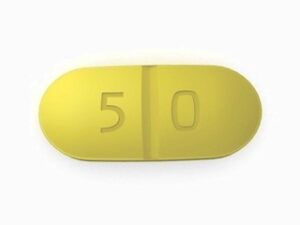
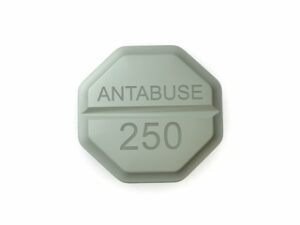
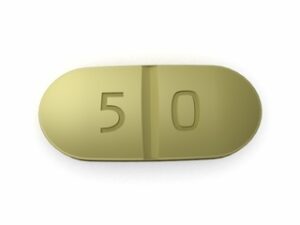
- Medicinal form: Tablets (strengths may vary)
- Common use: Support for alcohol dependence where supervised abstinence is planned
- Brand names: May vary; the active ingredient is disulfiram
- Availability: Depends on supply and local arrangements; typically supplied through healthcare services
Please note: product appearance and strength can vary. Always check the label on the specific pack you receive.
How disulfiram works (mechanism of action)
Under normal conditions, the body breaks down alcohol (ethanol) into harmless substances. A key step involves an enzyme called aldehyde dehydrogenase (ALDH). This enzyme helps convert a toxic intermediate called acetaldehyde into compounds that can be eliminated.
Disulfiram inhibits ALDH. When you drink alcohol while taking disulfiram:
- Alcohol is converted to acetaldehyde, but the next step is blocked.
- Acetaldehyde builds up in the body.
- Acetaldehyde causes unpleasant symptoms, which can act as a deterrent to drinking.
The reaction can occur not only after obvious drinking, but also after exposure to alcohol in some foods, medicines, or preparations.
Pharmacokinetics (what the body does to disulfiram)
Pharmacokinetics describes how the body absorbs, distributes, metabolises, and eliminates a medicine. Disulfiram is processed by the liver and produces active metabolites that contribute to its effect.
- Absorption: After oral dosing, disulfiram is absorbed and distributed through the body.
- Distribution: It reaches tissues where it can influence enzymes involved in alcohol metabolism.
- Metabolism: The liver converts disulfiram into metabolites that help create the “alcohol reaction” effect.
- Elimination: Effects can persist beyond the time of the last tablet due to lasting enzyme inhibition. This is one reason strong caution around alcohol is important even if you have stopped taking disulfiram recently.
Exact timing and duration can vary between individuals, depending on factors such as liver function, other medicines, and overall health.
Typical use in the UK
Disulfiram is used in alcohol dependence as part of a broader treatment approach. It is intended to support abstinence by discouraging alcohol consumption through a predictable adverse reaction.
In practice, it is often used where:
- There is a clear goal of complete alcohol avoidance
- A structured plan is in place (for example, with specialist alcohol services and ongoing support)
- Patients understand the importance of avoiding alcohol in all forms
Disulfiram is not suitable for everyone. Your healthcare team will consider your medical history, liver function, and risk factors before starting.
Timing: when to take disulfiram
Timing depends on the treatment plan and the dose prescribed for you. Commonly, disulfiram is taken once daily at the same time each day to maintain consistent enzyme inhibition.
Missed doses: If you miss a dose, do not double up without advice from your prescriber or pharmacist. Because the medicine’s effect can last, it is important not to restart in a way that increases the risk of an adverse alcohol reaction.
Important: Do not drink alcohol at any time while taking disulfiram and for a period after stopping—follow the specific advice you were given.
Food and alcohol interactions
Alcohol in everyday products
The goal is strict avoidance of alcohol. Alcohol may be present in:
- Drinks such as beer, wine, spirits, alcopops
- Cooking ingredients (e.g., wine, cooking brandy)
- Some sauces and marinades that contain alcohol
- Vinegar-based foods (usually acetic acid; however formulations can vary)
- Fermented products where alcohol content may be detectable
- Toiletries or household products containing ethanol or alcohol-based ingredients
- Some mouthwashes (many are alcohol-free—check the label)
Even small amounts of alcohol can sometimes trigger symptoms in susceptible individuals.
Food interactions
Disulfiram itself is generally taken with or without food depending on tolerability. However, for safety:
- Avoid foods with added alcohol when possible
- Check labels for “ethanol”, “alcohol”, “spirit”, “brew”, or similar terms
Alcohol and medicine interactions (major safety considerations)
The key interaction is between disulfiram and alcohol. The reaction may occur after drinking or exposure. Symptoms can include (severity varies):
- Facial flushing
- Nausea and vomiting
- Headache
- Breathing difficulty or tightness in the chest (in some cases)
- Palpitations, low blood pressure, or feeling faint
- Marked discomfort or weakness
If severe symptoms occur, seek urgent medical help.
Medicines that may contain alcohol
Some liquid medicines or preparations may contain alcohol as a solvent or preservative. Examples can include:
- Cough syrups or elixirs
- Certain oral drops
- Some tinctures and herbal preparations
- Some topical products if they contain alcohol (less common to cause systemic effects, but check if advised)
Always check the ingredient list or ask your pharmacist whether a specific product contains alcohol. If alcohol is present, alternatives may be needed.
Other drug interactions
Disulfiram can interact with other medicines. For example, disulfiram may affect the metabolism of some drugs through liver enzyme interactions. This can change medicine levels in the body and increase the risk of side effects.
Tell your healthcare professional about all medicines and supplements you use, including:
- Warfarin and other anticoagulants
- Drugs used for depression or anxiety
- Medicines for epilepsy
- Some diabetes medicines
- Any herbal products or “tonics”
Indications: when disulfiram is used
Disulfiram is indicated for the support of abstinence in people with alcohol dependence, as part of an overall alcohol treatment plan. Its role is to discourage alcohol intake by producing an unpleasant reaction when alcohol is consumed.
It is typically considered when:
- Complete alcohol avoidance is the goal
- The person understands the risks and is willing to comply strictly
- Support and monitoring are available
Dosing: how much disulfiram is usually taken
Dosing varies by individual circumstances and the strength of the tablets provided. Your healthcare professional will advise the correct regimen for you.
General dosing principles (informational):
- Starting dose: Often initiated at a dose considered safe for your situation, including assessment of liver health.
- Maintenance dose: May be adjusted to achieve the intended deterrent effect while minimising side effects.
- Once daily use: Many regimens use once-daily dosing.
Do not change your dose or stop/start disulfiram without medical advice, because the timing and persistence of effects matter for alcohol safety.
Safety profile: who should be cautious
Disulfiram may not be suitable for everyone. Your clinician will assess risks such as liver disease, neurological conditions, and past reactions.
Common or important adverse effects
- Feeling unwell, weakness, or fatigue
- Headache
- Skin reactions (rarely)
- Gastrointestinal upset (nausea)
- Liver-related effects can occur; symptoms may include yellowing of the skin or eyes (jaundice), dark urine, or persistent upper abdominal discomfort
Serious risks (seek urgent help)
- Signs of liver problems (jaundice, severe tiredness, persistent nausea, right upper abdominal pain)
- Severe reactions after alcohol exposure (fainting, severe vomiting, breathing difficulty)
- Severe or unusual neurological symptoms (such as confusion or severe drowsiness)
Situations where extra care is needed
- Reduced liver function or known liver disease
- History of significant psychiatric illness
- Neurological disorders
- Concomitant medicines that may interact with disulfiram
Always follow the monitoring plan recommended by your healthcare team.
Practical use tips (to stay safe and get the most from treatment)
- Commit to complete alcohol avoidance: Treat this as “no alcohol at all,” including in cooking and medicines.
- Check labels: Look for ethanol/alcohol in foods, mouth products, and medicines.
- Ask before taking new medicines: If prescribed or bought over the counter, mention you take disulfiram.
- Carry a card or list: Some people keep a note listing their medicine and advising “no alcohol” in case of emergencies.
- Know what to do if symptoms occur: If you accidentally consume alcohol or are exposed and experience severe symptoms, seek urgent medical help.
- Use supportive services: Disulfiram is often most effective alongside counselling, peer support, and structured care.
If you are preparing for dental treatment, surgery, or any procedure, remind the clinician about disulfiram to avoid alcohol-containing preparations.
Alternative options for alcohol dependence in the UK
Treatment for alcohol dependence is individual. Alternatives may include behavioural therapies, support groups, and medicines. Depending on suitability, healthcare professionals may consider other options such as:
- Naltrexone (helps reduce the rewarding effects of alcohol for some people)
- Acamprosate (helps support abstinence for some people)
- Psychological therapies and counselling (e.g., motivational interviewing, cognitive behavioural approaches)
- Support groups and structured alcohol services
The best choice depends on your health, history, goals, and how you respond to treatment. Speak with a healthcare professional to discuss what is appropriate for you.
UK market and legal context (overview)
In the United Kingdom, medicines are regulated through the Medicines and Healthcare products Regulatory Agency (MHRA) and are supplied according to legal classification. Disulfiram is a prescription-only medicine in the UK (classification rules can change over time).
Online pharmacies must comply with UK medicines legislation, professional standards, and rules about identity verification, safe supply, and patient counselling.
Availability may differ by strength and manufacturer. Supply can also be affected by national demand, distribution schedules, and manufacturing lead times.
Recent guidance and monitoring (general updates to watch for)
Advice for people taking disulfiram commonly emphasises:
- Strict avoidance of alcohol in all forms
- Care with medicines that may contain alcohol, especially liquid preparations and some over-the-counter products
- Monitoring for liver health, particularly in those with risk factors
- Use within a structured alcohol treatment plan rather than as the sole support
Guidance can be updated as new safety information becomes available. Your pharmacist or clinician can provide the most current advice relevant to your personal situation.
Delivery and availability (online pharmacy considerations in the UK)
Disulfiram availability online can depend on manufacturer stock and regional distribution. Delivery times vary by supplier, courier service, and whether the item is in-stock.
What to expect when ordering
- Stock status: Many pharmacies show “in stock” or an estimated dispatch time.
- Dispatch: Orders are typically dispatched on working days.
- Packaging: Medicines are delivered in secure packaging to protect tablets.
- Identity checks: Reputable online pharmacies follow UK requirements to verify patient details and safe use.
If you need urgent access, contact customer service to confirm current dispatch estimates.
Note: Storage matters—keep tablets in a cool, dry place as directed on the packaging and out of reach of children.
FAQ
Can I drink alcohol while taking disulfiram?
No. Disulfiram works by causing unpleasant reactions when alcohol is consumed. You should avoid all alcohol completely while taking it.
What if I accidentally have alcohol?
Symptoms can vary from mild to severe. If you develop significant symptoms (such as severe vomiting, fainting, chest tightness, or breathing difficulty), seek urgent medical help. If symptoms are mild, contact a healthcare professional or pharmacist promptly for advice.
Does alcohol in cooking trigger a reaction?
It may. As a precaution, avoid foods that contain alcohol (such as wine or spirits) and check ingredients.
Can I use mouthwash or cough syrup?
Some products may contain alcohol. Choose alcohol-free alternatives where possible, and check labels. If unsure, ask your pharmacist.
How long after stopping disulfiram should I avoid alcohol?
Effects can persist due to the way disulfiram works on alcohol metabolism. Follow the specific timeframe given by your healthcare professional, since it can vary between people.
What should I do if I miss a dose?
Do not double up. Contact a healthcare professional for advice. Because disulfiram’s effects can last and because alcohol safety is central, it’s important not to make sudden changes without guidance.
Is disulfiram safe for people with liver problems?
Disulfiram may be unsuitable or require careful monitoring in those with liver disease. Discuss your liver history and any abnormal liver tests with a healthcare professional before use.
What side effects should I watch for?
Contact a healthcare professional if you develop jaundice (yellow skin/eyes), dark urine, severe tiredness, persistent abdominal pain, or severe reactions after alcohol exposure.
Are there alternatives if disulfiram isn’t right for me?
Yes. Options may include other medicines used in alcohol dependence (such as naltrexone or acamprosate) and psychological support. The best choice depends on your health and treatment goals.
Summary
Disulfiram is used to support abstinence in alcohol dependence by blocking the breakdown of alcohol’s toxic intermediate, leading to an unpleasant reaction when alcohol is consumed. To use it safely, you must avoid alcohol completely—including in foods and medicines—and be alert to possible liver-related effects. If you have questions about products containing alcohol, or if you experience side effects or symptoms after accidental exposure, seek timely advice from a healthcare professional.