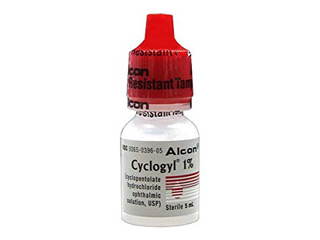
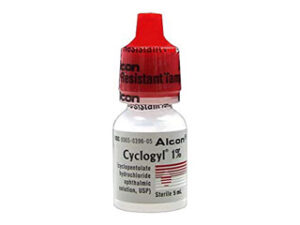
Cyclogyl (Cyclopentolate) Eye Drops — Patient Information
Cyclogyl is a brand of cyclopentolate, an antimuscarinic medicine used in the eye. It works by temporarily widening (dilating) the pupil and relaxing focusing muscles, which helps eye professionals examine the back of the eye and measure vision accurately.
This page explains how Cyclogyl works, when it is used, what to expect, safety information, and practical tips for UK patients.
Quick facts
- Active ingredient: Cyclopentolate (as cyclopentolate hydrochloride)
- Medicine type: Antimuscarinic (anticholinergic) eye drops
- Main effects: Dilates pupil (mydriasis) and paralyzes focusing (cycloplegia)
- Common setting: Eye examinations (especially refraction/vision testing and retinal checks)
- Onset: Often within minutes after instillation
- Duration: Usually wears off over several hours; in some people (and in children) it can last longer
What Cyclogyl is used for
Cyclogyl eye drops are primarily used to:
- Help eye examinations by widening the pupils so the eye doctor can see the retina and optic nerve more clearly.
- Provide temporary cycloplegia (relaxing the eye’s focusing system) so the true refractive error can be measured more accurately.
- Improve measurement reliability for glasses/contact lens prescriptions, particularly in children or where accommodation (focusing) may interfere.
In practice, Cyclogyl is typically used in an ophthalmology/optometry clinic before tests such as:
- Refraction (vision measurement)
- Retinoscopy
- Examination of the fundus/retina
- Some specialist assessments where pupil dilation and cycloplegia are required
How it works (mechanism of action)
Cyclopentolate is an antimuscarinic medicine. It blocks muscarinic receptors in the eye. This temporarily affects two main structures:
- Iris: Relaxation of the sphincter muscle leads to pupil dilation (mydriasis).
- Ciliary muscle: Inhibition of contraction of the ciliary muscle leads to cycloplegia (the eye cannot focus at near distance).
Result: The eye is less able to accommodate, so vision testing can better reflect the eye’s underlying focusing power.
Pharmacokinetics (how the body handles it)
After topical (eye drop) administration, cyclopentolate can be absorbed through the eye tissues and into the bloodstream. The exact levels vary depending on the dose, technique, and whether the eye/nasolacrimal pathway is managed.
Key practical points for patients:
- Absorption: Some systemic absorption may occur, especially in children.
- Distribution: If absorbed, the medicine may act on the body’s cholinergic systems, producing side effects such as dry mouth or flushing (uncommon with correct use, but more relevant in children).
- Metabolism and elimination: As an antimuscarinic, cyclopentolate is ultimately cleared from the body (commonly via hepatic metabolism and renal elimination). The clinical importance is that effects may last several hours after eye-only dosing.
To reduce systemic exposure, correct drop technique and nasolacrimal occlusion (described later) can help.
When it begins to work and how long it lasts (timing)
Most people notice effects within minutes after instillation.
- Pupil dilation and blurred near vision typically begin quickly.
- Near vision may remain blurred for several hours.
- Light sensitivity can last while the pupils are dilated.
Duration varies between individuals and may be longer in:
- Children
- People with darker iris colour or certain sensitivities
- Higher doses or repeated drops
If you have an appointment, it’s wise to plan for impaired driving and reading immediately afterwards.
Food interactions
Because Cyclogyl is administered as eye drops, direct food interactions are not generally expected.
However, if systemic absorption occurs (more likely in children), general anticholinergic effects can occur, such as:
- Dry mouth
- Reduced sweating (rare)
- Constipation (rare)
These are usually not related to meals. Still, it’s sensible to maintain normal hydration, particularly in warm environments.
Alcohol and medicine interactions
Alcohol: There are no well-established specific interactions between Cyclogyl eye drops and alcohol. Nevertheless, Cyclogyl can cause blurred vision and light sensitivity. Drinking alcohol may further impair coordination and attention, increasing risk when driving or using machinery.
Other medicines: Cyclopentolate is antimuscarinic. Medicines with similar anticholinergic (antimuscarinic) actions can theoretically increase side effects, especially in children.
Tell the clinician or pharmacist if the patient is using medicines such as:
- Other antimuscarinic/anticholinergic medicines
- Some medicines for overactive bladder
- Some medicines for motion sickness or nausea
- Some antidepressants or antihistamines with anticholinergic effects
Additionally: If the patient is on eye medications (e.g., glaucoma drops), separate use instructions may apply depending on the examination plan.
Indications
Cyclogyl (cyclopentolate) is indicated for:
- Inducing cycloplegia to facilitate accurate refraction (vision measurement)
- Pupillary dilation to enable thorough examination of the eye’s interior
- Diagnostic assessment requiring temporary reduction in accommodation
Use is typically directed by an eye care professional based on the patient’s age, eye health, and examination requirements.
Dosing and how to use Cyclogyl
Dosage depends on the indication, patient age, and clinical judgement. Below is general guidance about how Cyclogyl is commonly used in eye examinations; always follow the instructions provided by your eye care professional.
Typical dosing (general overview)
For many clinical settings, dosing is given as one or more drops in the affected eye(s), with a short interval between drops. The exact strength and regimen may differ by product presentation.
Important: Cyclogyl dosing for children must be particularly careful. Children are more susceptible to side effects from systemic absorption.
How to apply the eye drops (step-by-step)
- Wash your hands.
- Check the dropper: ensure it is clean and that the bottle is not damaged.
- Lean back or tilt your head.
- Pull the lower eyelid down gently to form a small pocket.
- Instil the prescribed drop into the eye pocket without touching the eye or eyelids with the dropper.
- Close the eye gently for 1–2 minutes.
- Nasolacrimal occlusion (recommended): press the inner corner of the eye (near the nose) gently for about 1 minute to reduce drainage into the nose and bloodstream.
- Wipe away excess liquid with a clean tissue.
If using other eye medicines: allow an appropriate interval between products (your clinician/pharmacist will advise). Many people separate eye drops by at least 5–10 minutes to avoid “washing out” one medicine with another.
What to expect after dosing
- Blurry near vision is normal.
- Light sensitivity may occur due to pupil dilation.
- Difficulty reading and focusing on close objects is common.
Safety profile and side effects
Cyclogyl is generally well tolerated when used correctly for eye examinations, but like all medicines it can cause side effects.
Common or expected effects
- Blurred vision (especially for near tasks)
- Light sensitivity
- Mild eye irritation or stinging for a short time
- Temporary reduced ability to focus
Less common (may require medical advice)
- Dry mouth or feeling flushed
- Headache
- Eye discomfort that persists beyond expected effects
- Increased eye pressure symptoms in those susceptible to angle-closure glaucoma (see below)
Seek urgent help if
Although rare, some serious symptoms need prompt medical assessment:
- Severe eye pain
- Marked redness of the eye
- Sudden worsening of vision or halos around lights
- Persistent severe headache, nausea, or vomiting
- Confusion, extreme drowsiness, or unusual behaviour (especially in children)
These could indicate increased intraocular pressure or systemic anticholinergic effects.
Children: extra caution
Children are more likely to experience systemic effects after cyclopentolate. Parents/carers should seek medical advice promptly if a child develops:
- Unusual agitation or sleepiness
- Dry skin or reduced sweating
- Rapid heartbeat
- Persistent vomiting
Contraindications and who should be careful
Because cyclopentolate can affect pupil size and eye pressure, extra caution is needed in people with:
- Suspected or known angle-closure glaucoma or narrow angles
- Severe eye inflammation where the clinician advises against mydriatics
- Hypersensitivity to cyclopentolate or any ingredient
Your eye care professional will assess risk before use.
Practical use tips (to make it safer and more comfortable)
- Plan ahead for driving: after Cyclogyl, vision may be blurred and pupils dilated. In the UK, driving after pupil dilation is usually unsafe; ask your clinician when it’s safe to drive.
- Bring sunglasses: they can reduce discomfort from bright light.
- Don’t rub your eyes after using the drops.
- Use nasolacrimal occlusion (inner-corner pressure) to reduce systemic absorption.
- After instillation, wash hands to avoid accidental transfer to the face, especially for carers of children.
- Keep away from others: accidental contact with the other eye or on skin can cause unintended effects.
For contact lens wearers: your eye clinician may advise temporarily stopping contact lenses before and after instilling dilating/cycloplegic drops.
Alternative options
Depending on the reason for pupil dilation and cycloplegia, eye specialists may use different medicines. Alternatives can include:
- Other cycloplegic drops (used for refraction), selected based on age, effect duration, and safety considerations.
- Mydriatics for pupil dilation during examinations when cycloplegia is not essential.
- Technique-based options such as different assessment strategies that may reduce the need for full cycloplegia in certain adults (clinical judgement required).
Which alternative is appropriate depends on the patient’s age, eye history, and the tests required.
Market and legal context in the United Kingdom
In the UK, eye drops containing cyclopentolate are regulated under medicines legislation and supplied according to national prescribing/supply practices and product authorisation.
As a patient, you may find Cyclogyl available through eye clinics and pharmacies, but availability can vary depending on the exact product format and local supply. Your pharmacy can confirm the current product options and strength available in the UK.
Recent guidance and practice considerations: Clinical practice may evolve regarding dosing intervals, patient selection (especially children and glaucoma risk), and patient instructions for aftercare such as driving, sun protection, and managing blurred vision.
Delivery and availability (UK)
Availability of Cyclogyl (cyclopentolate) may vary by region and manufacturer supply. Where online delivery is offered, the medicine is typically dispatched in compliance with UK regulations for handling and distribution of medicines.
Delivery times: Delivery schedules vary by courier and location. At checkout, you should see an estimated delivery window.
Storage: Keep the bottle in its original packaging and follow the storage instructions on the label. Avoid exposing it to excessive heat or sunlight. Keep out of the reach of children.
After opening: Eye drops may have a limited usable period after first opening. Check the label/leaflet for the expiry timeframe after opening.
FAQ
1) Will Cyclogyl blur my vision?
Yes. Cyclogyl causes cycloplegia and pupil dilation. This typically leads to blurred near vision and light sensitivity for several hours. You may need sunglasses and should avoid close-up reading and tasks that require sharp focusing.
2) How long do the effects last?
For many adults, effects wear off over a few hours, but the duration varies. In children, effects can sometimes last longer. Avoid driving or risky activities until your vision feels normal and you’ve been advised it is safe.
3) Can children use Cyclogyl?
Children may receive cyclopentolate drops during eye examinations, but dosing must be carefully chosen. Systemic side effects are more likely than in adults, so close attention to technique (including nasolacrimal occlusion) and monitoring is important.
4) What if the drop goes on my skin?
Wipe gently with a tissue and wash your hands thoroughly. If skin contact is on a child or near the face, wash the area to prevent accidental transfer to the eyes or mouth.
5) Can I eat or drink normally?
There are no expected direct food interactions. Drink fluids as usual. If you experience dry mouth, sipping water may help.
6) Can I drink alcohol after using Cyclogyl?
There is no specific known interaction, but alcohol can worsen dizziness, reaction time, and your ability to cope with blurred vision. It’s safest to avoid alcohol until your vision has returned to normal and you’re confident driving/working is safe.
7) Are there people who should avoid Cyclogyl?
People at risk of angle-closure glaucoma or those with relevant eye conditions should receive cyclopentolate only under specialist guidance. Your eye care professional will screen for suitability.
8) What should I do if I miss a dose?
Cyclogyl is usually used in an eye clinic plan. If you were given a home dosing schedule, follow the instructions provided. If you’re unsure, contact the clinic or pharmacist rather than repeating doses.
9) When should I seek urgent medical advice?
Seek urgent help if you have severe eye pain, marked redness, sudden vision changes, severe headache with nausea/vomiting, or unusual behaviour—especially in children.
10) Can I use other eye drops at the same time?
You may need to separate different eye drops by a time interval to avoid dilution/washing out. Follow the advice given by your eye professional or pharmacist.
Summary
Cyclogyl (cyclopentolate) is an antimuscarinic eye drop used to temporarily dilate the pupils and relax focusing muscles. This makes eye examinations and refraction testing more accurate. The main effects—blurred near vision and light sensitivity—are expected and generally temporary, though duration varies. Correct drop technique (including nasolacrimal occlusion) helps reduce systemic absorption, which is particularly important for children. If you experience severe or unusual symptoms after using Cyclogyl, seek prompt medical advice.
| Category | Patient-friendly information |
|---|---|
| Medicine | Cyclogyl (cyclopentolate) eye drops |
| Use | Pupil dilation and cycloplegia to support eye examinations and accurate refraction |
| How it works | Antimuscarinic action blocks muscarinic receptors in the eye |
| What you may feel | Blurred near vision and light sensitivity; mild stinging may occur briefly |
| Duration | Usually hours; can be longer in some people (especially children) |
| Key tip | Close the eye gently and press the inner corner for ~1 minute to reduce drainage |
| Seek help if | Severe pain, marked redness, sudden vision changes, severe headache with nausea/vomiting |