Phoslo (Calcium Acetate) – Patient Information (UK)
Phoslo is a medicine containing calcium acetate, used to help manage high phosphate levels in people with chronic kidney disease (CKD), particularly those on dialysis. This leaflet-style guide explains how it works, how to take it safely and effectively, and what to consider regarding food, other medicines, alcohol, and day-to-day use.
Please note: product availability, brand presentation, and exact tablet strength can vary. Always follow the instructions you receive from your healthcare team and read the medicine label before taking it.
Basic product information
- Medicine name: Phoslo
- Active ingredient: Calcium acetate
- Uses: Phosphate binder for people with high phosphate due to kidney disease
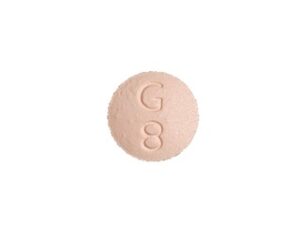
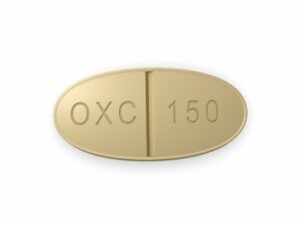
- Typical formulation: Oral tablets/capsules (strength and presentation may vary)
- How it’s taken: Usually with meals
What phosphate is and why it matters
Phosphate is a mineral found in foods and in the body’s cells. Healthy kidneys remove excess phosphate. When kidney function declines, phosphate can build up in the blood (hyperphosphataemia). High phosphate can contribute to problems such as:
- Bone weakening
- Calcification of blood vessels and tissues
- Changes in vitamin D and parathyroid hormone (PTH) levels
Phosphate binders like Phoslo help reduce the amount of phosphate absorbed from food.
Mechanism of action (how Phoslo works)
Phoslo (calcium acetate) acts as a phosphate binder in the digestive tract.
When taken with meals, calcium acetate binds dietary phosphate in the stomach and intestines. This forms an insoluble compound that is less likely to be absorbed into the bloodstream. As a result, the phosphate level in the blood may fall over time.
Key point: Phoslo works best when taken with food, not between meals.
Pharmacokinetics (what the body does with the medicine)
Calcium acetate is a calcium salt. After oral administration:
- Absorption: Only a portion of calcium may be absorbed systemically; the main action is local binding of phosphate in the gut.
- Distribution: Absorbed calcium contributes to the body’s calcium pool and is handled according to normal calcium regulation.
- Metabolism: No “metabolism” in the usual drug sense is expected for calcium acetate; calcium and phosphate handling is regulated by the body.
- Elimination: Non-bound material is excreted through gastrointestinal processes; absorbed calcium is eliminated through urine and other routes.
In people with kidney disease, calcium handling may be altered, which is why monitoring calcium and phosphate levels is important.
Typical use in the UK
In the UK, Phoslo is commonly used as part of the management of hyperphosphataemia in chronic kidney disease, particularly in:
- Dialysis patients (haemodialysis or peritoneal dialysis)
- Other people with advanced CKD where phosphate control is needed
It may be prescribed alongside other measures such as:
- Dietary phosphate restriction
- Other phosphate binders (if calcium-based options are not suitable)
- Vitamin D therapy or treatment of secondary hyperparathyroidism
Indications (when Phoslo is used)
Phoslo is indicated for:
- Lowering raised serum phosphate in people with chronic kidney disease.
Healthcare teams may choose a calcium-based binder when it is appropriate for the individual’s overall mineral balance and monitoring results.
How to take Phoslo: timing and practical guidance
Most important instruction: Take Phoslo with meals, because it needs to be present in the gut at the same time as dietary phosphate.
When to take it
- With breakfast (if you eat breakfast)
- With lunch
- With dinner
- With snacks that contain phosphate, if advised by your healthcare team
How to take
- Swallow the tablets/capsules with water.
- Do not chew unless the product instructions say it is acceptable.
- Try to take doses consistently to match your meal pattern.
If you miss a dose
Generally, take it with your next meal. Do not take an extra dose to make up for a missed one unless your healthcare team advises otherwise.
Dosing (general guidance)
Individual dosing varies. Your healthcare team will calculate the dose based on:
- Your current phosphate level
- Your diet and meal phosphate content
- Your calcium level and risk of hypercalcaemia
- Other medicines (for example, vitamin D analogues)
Typical approach:
- Phosphate binders are usually started and then adjusted gradually based on blood test results (phosphate and calcium).
- Some people require dose changes if their diet changes or if lab results drift.
If you want, check the strength of your Phoslo product and your prescribed dose on the label, or speak with a pharmacist to confirm exactly how many tablets you should take.
Food interactions: what to eat and what to avoid
Phoslo is designed to work with food, especially meals containing phosphate.
Best food timing
- Take with meals to bind phosphate effectively.
- Taking it between meals may reduce its effectiveness and increase the chance of unintended calcium absorption.
Dietary phosphate sources
Phosphate is often present in:
- Processed foods (especially those with phosphate-containing additives)
- Cola-type drinks and some packaged beverages
- Dairy products
- Nuts, seeds, and certain wholegrains
- Meats and fish (naturally)
Your dietitian may provide a personalised plan, including which foods to limit and which supplements to consider. Phosphate binders are usually adjuncts to diet, not replacements.
Alcohol and medicine interactions
Alcohol: Moderate alcohol consumption may be permitted for some people, but kidney disease can affect overall health and medication safety. Alcohol can also influence diet and adherence, which indirectly affects phosphate control.
Practical recommendation: If you drink alcohol, discuss it with your healthcare team, especially if you have other conditions (such as liver disease) or if you are taking multiple medicines.
Direct interaction: There is no well-known, specific direct interaction between alcohol and calcium acetate that is typically highlighted in patient information. However, always consider general safety and your individual medical situation.
Interactions with other medicines
Calcium acetate can affect the absorption of certain medicines by binding or altering how they are taken up in the gut. It can also add to overall calcium exposure.
Medicines that may require separation
Your pharmacist may advise spacing doses of Phoslo away from certain treatments, for example:
- Iron supplements
- Levothyroxine (thyroid hormone)
- Some antibiotics (such as tetracyclines and quinolone antibiotics)
- Bisphosphonates (for bone health)
- Other medicines affected by calcium
Typical approach: If you take any of the above, ask your pharmacist how long to separate them from Phoslo. The required spacing depends on the specific medicine.
Medicines that influence calcium and vitamin D
- Vitamin D analogues (and related treatments) can increase calcium levels.
- Other calcium supplements may raise the risk of hypercalcaemia.
- Calcimimetics may be used in CKD/mineral management—these are separate medicines but are part of overall mineral balance.
Always tell your healthcare team about all medicines, including herbal supplements and over-the-counter products.
Safety profile: what to watch for
Like all medicines, Phoslo can cause side effects. Not everyone will experience them.
Common or important side effects
- Constipation (or changes in bowel habit)
- Nausea or stomach discomfort
- Gas or bloating
Serious risks (monitoring is essential)
Phoslo contains calcium. In some people, this may contribute to:
- Hypercalcaemia (too much calcium in the blood)
- Increased risk of vascular calcification if calcium-phosphate balance becomes abnormal (your clinician monitors this)
Contact urgent medical help if you experience symptoms suggestive of high calcium, such as:
- Severe thirst or frequent urination
- Unusual weakness
- Confusion
- Severe constipation
- Persistent vomiting
Who should be extra careful
- People with a history of high calcium levels
- People taking medicines that raise calcium (for example, certain vitamin D treatments)
- People with additional medical conditions affecting calcium balance
- Older adults who may be more sensitive to constipation or dehydration
Practical use tips for getting the best results
- Take it with food: This is the main determinant of effectiveness.
- Match your dose to your meals: If your meal times change, discuss with your healthcare team how to adjust timing.
- Keep consistent: Regular phosphate monitoring helps your clinician tailor the dose.
- Use a medication organiser: A dosette box can help with adherence, especially if you take multiple doses per day.
- Maintain bowel comfort: If you become constipated, speak to your pharmacist about suitable measures.
- Don’t switch binders without advice: If you change products or strengths, you may need dose adjustment.
- Attend blood tests: Your phosphate and calcium levels determine whether your regimen should be adjusted.
Alternative options (other phosphate binders)
Not all people are ideal candidates for calcium-based phosphate binders. Alternatives include:
- Non-calcium phosphate binders (for example, based on sevelamer or lanthanum—availability may vary)
- Calcium-based alternatives (different formulations may be used)
Which option is best depends on your calcium and phosphate levels, overall cardiovascular risk, current medicines, and local clinical practice. Discuss alternatives with your kidney specialist or pharmacist if you have side effects or persistently high phosphate levels.
Market, legal and NHS context in the UK
In the UK, phosphate binders for CKD are widely used in specialist care. Access and prescribing may differ depending on:
- Local NHS policies
- Shared Care agreements between specialists and primary care
- Individual clinical suitability (for example, calcium tolerance)
- Product availability and formulary status
Phoslo is an established medicine, and decisions about which binder to use are generally informed by clinical guidelines, ongoing lab monitoring, and patient-specific factors.
Recent guidance and clinical practice (UK)
Clinical guidance for CKD-mineral and bone disorder (CKD-MBD) emphasises:
- Monitoring serum phosphate and calcium
- Individualised targets based on kidney disease stage and current lab values
- Using phosphate binders in combination with dietary phosphate management
- Minimising complications such as hypercalcaemia and abnormal mineral balance
Your local kidney team may adjust treatment according to updated evidence and national recommendations. If you notice your phosphate levels are not improving or side effects are troublesome, contact your clinician to review your treatment plan.
Delivery and availability (UK online pharmacy)
Online availability can vary based on stock levels and supply chains. If Phoslo is temporarily unavailable, you may be offered alternatives or advised when it will likely be back in stock.
- Packaging: Medicines are typically supplied in manufacturer or pharmacy packaging with clear batch information and instructions.
- Delivery: Delivery times depend on supplier and courier service; standard and express options may be offered.
- Storage: Store according to the label instructions (commonly at room temperature, away from moisture and excessive heat).
If you need your order urgently, check the estimated delivery window during checkout and consider selecting the appropriate delivery option.
Safety checklist before you start (or continue) Phoslo
- Do you know your most recent phosphate and calcium blood test results?
- Are you taking any medicines that require spacing from calcium salts?
- Are you constipated or prone to constipation?
- Have you recently started vitamin D supplements or calcitriol-like medicines?
- Do you have symptoms such as severe thirst, confusion, or persistent vomiting?
FAQ – Phoslo (calcium acetate)
1) What is Phoslo used for?
Phoslo is used to help lower high phosphate levels in people with chronic kidney disease, mainly by binding phosphate in the gut when taken with meals.
2) Should I take Phoslo with food?
Yes. Phoslo generally works best when taken with meals or with snacks containing phosphate, because it binds phosphate from food before it is absorbed.
3) What happens if I take it between meals?
Taking it away from meals may be less effective for phosphate control and can increase the likelihood of calcium-related effects. If you struggle to match it to meals, ask your pharmacist or kidney team for advice.
4) How long does it take to work?
The effect is measured through blood tests. Some improvement may be seen after days to weeks, but dose adjustments are commonly based on ongoing monitoring of phosphate (and calcium).
5) Can I take Phoslo with other medicines?
Many medicines can be taken safely, but some require spacing because calcium can reduce absorption. Examples may include certain antibiotics, iron supplements, and levothyroxine. Always check with your pharmacist.
6) Are there food interactions I should know about?
Phoslo is intended to be taken with phosphate-containing foods. The most practical “food interaction” is timing. Your dietitian may also advise on limiting phosphate additives and balancing your diet.
7) Can I drink alcohol while taking Phoslo?
There is no common direct interaction between alcohol and calcium acetate, but alcohol can affect hydration, diet, and overall health in kidney disease. Discuss your individual situation with your healthcare team.
8) What side effects are common?
Constipation, stomach upset, and nausea can occur. Tell your healthcare team if side effects persist or worsen.
9) When should I seek urgent help?
Seek urgent medical advice if you suspect high calcium or experience severe symptoms such as confusion, severe constipation, persistent vomiting, or severe weakness.
10) What if my phosphate levels remain high?
Your clinician may adjust the dose, review your timing, assess dietary phosphate intake (including additives), and consider switching to a different binder if appropriate.
Comparison of key points (quick reference)
| Topic | Phoslo (calcium acetate) |
|---|---|
| Role | Phosphate binder for CKD |
| How it works | Binds dietary phosphate in the gut when taken with meals |
| Best timing | With meals (and prescribed snacks) |
| Monitoring | Serum phosphate and calcium levels (and overall mineral balance) |
| Key risk | Hypercalcaemia, especially if calcium intake/other medicines raise calcium |
| Common side effects | Constipation, gastrointestinal discomfort |
Important note
This information is intended to help you understand how Phoslo may be used. It does not replace advice from your healthcare professional. If you have questions about your personal dose, timing, or interactions with other medicines, consult a pharmacist or your kidney clinic.