
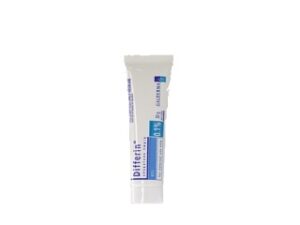
Adapalen (Topical) — Patient-Friendly Guide (UK)
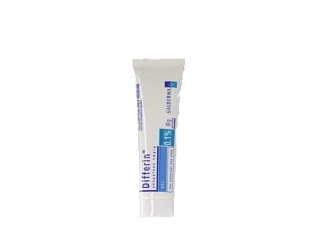
Adapalen is a well-known acne medicine used on the skin. It belongs to a group of medicines called retinoids (specifically, a topical retinoid). In the UK, adapalene is commonly available as a gel or cream depending on the brand and strength.
This guide explains how adapalene works, how to use it safely, what to expect during treatment, and what to consider regarding food, alcohol, and other medicines. It also includes practical tips, possible alternatives, and a UK-focused overview of availability and legal context.
1) Basic product information
| Product name | Active ingredient | Typical form | Common strengths (examples) |
|---|---|---|---|
| Adapalen | Adapalene | Topical gel or cream | 0.1% (many common products) |
Who it’s for: People with acne—most often comedonal acne (blackheads and whiteheads) and mild to moderate acne—who can tolerate topical retinoids.
How it’s used: Applied to clean, dry skin once daily (often in the evening), as directed on the product label and by healthcare professionals.
2) How adapalene works (mechanism of action)
Adapalene helps treat acne by targeting several steps in how acne forms:
- Normalises skin cell turnover: It encourages more regular shedding of the cells lining hair follicles, helping prevent pores from becoming blocked.
- Reduces comedones: By helping prevent clogged pores, it can reduce blackheads and whiteheads.
- Has anti-inflammatory effects: Acne involves inflammation; adapalene can help calm inflammatory processes linked with acne lesions.
- Supports clearer pores over time: Benefits usually build gradually as treatment continues.
Unlike some acne products that mainly reduce oil (sebum) or kill bacteria, adapalene primarily focuses on unclogging pores and preventing new blockages.
3) Pharmacokinetics (how the body handles adapalene)
Because adapalene is applied to the skin, overall absorption into the bloodstream is generally low.
- Absorption: Minimal systemic absorption is expected when used as directed.
- Distribution/metabolism: The small amount absorbed is metabolised in the body.
- Elimination: Clearance occurs primarily via normal metabolic and excretory pathways.
Practical takeaway: With correct topical use, systemic side effects are uncommon. However, local skin irritation is a common concern and should be managed carefully.
4) Typical uses and indications in the UK
In the UK, topical adapalene is commonly used for:
- Acne vulgaris (acne), particularly where comedones are present.
- Mild to moderate acne, depending on the product and how it’s combined with other acne treatments.
Adapalene is often selected when:
- You want a treatment that helps prevent new spots from forming.
- Your acne includes blackheads/whiteheads.
- You have tried other approaches and want a retinoid option.
5) When to start, timing, and how long it takes
One of the most important aspects of adapalene treatment is expectations. Acne treatments often take time.
Typical timing
- Early signs (first few weeks): Some people notice mild dryness or irritation. Acne may look slightly worse before improving.
- Improvement (around 8–12 weeks): Many patients start to see clearer skin.
- Best results (often 3–6 months): Gradual improvement continues with ongoing use.
Best time of day
- Most regimens recommend applying it in the evening to suit a consistent routine and reduce discomfort.
- If your skin is sensitive, you may start every other night and build up as tolerated.
Tip: Use the product consistently rather than stopping and starting, unless irritation becomes difficult to manage.
6) How to use adapalene correctly (practical step-by-step)
Follow the specific instructions on your product packaging or as advised by a healthcare professional. The general approach is:
- Cleanse: Wash with a gentle cleanser and pat the skin dry. Avoid scrubbing.
- Wait until fully dry: Apply after the skin is completely dry to reduce irritation.
- Use a pea-sized amount: For most facial areas, a small amount is enough.
- Apply thinly: Spread over the acne-prone areas (not just individual spots), unless your clinician advises otherwise.
- Wash hands: Avoid contact with eyes, lips, corners of the nose, and other sensitive areas.
- Moisturise if needed: Use a non-comedogenic moisturiser to reduce dryness.
Avoid: over-applying, using multiple irritating products at the same time, and applying on broken, irritated, or sunburnt skin.
7) Food interactions
Because adapalene is a topical treatment, food interactions are not typically expected. There is no usual requirement to change diet while using adapalene.
However, overall skin support matters:
- Maintaining a balanced diet and hydration can support general skin health.
- If specific foods seem to worsen your acne, consider tracking and discussing patterns with a healthcare professional.
Bottom line: No direct food interaction is generally expected with topical adapalene.
8) Alcohol and medicine interactions
Alcohol: There is no well-established direct interaction between topical adapalene and alcohol. The more relevant concerns are skin irritation and dryness.
- Alcohol may indirectly affect skin through dehydration or worsening dryness in some people.
- If you notice increased redness or sensitivity after drinking, consider reducing alcohol and focusing on moisturising and sun protection.
Other medicines (important): Interactions are most relevant through combined skin irritation rather than bloodstream interactions.
Be cautious when using alongside other topical products
- Other exfoliants (e.g., strong acids) or harsh scrubs can increase irritation.
- Other acne actives (such as benzoyl peroxide or salicylic acid) may be compatible for some people, but they can also increase dryness or peeling—especially when started together.
- Topical antibiotics may be used in acne regimens, but how they’re combined should be planned to minimise irritation.
When to separate products
If you experience strong irritation, you might reduce contact between active ingredients by:
- Using adapalene on one schedule and another acne product at a different time of day.
- Starting one product at a time.
If you’re unsure: Check the product labels and consider asking a pharmacist for advice on combining skincare actives.
9) Safety profile and common side effects
Adapalene is generally well tolerated when used correctly, but it can cause skin irritation—especially in the first weeks of treatment.
Common side effects
- Dryness (skin feeling tight)
- Redness
- Peeling or flaking
- Burning or stinging sensation
- Itching
Less common but important effects
- Worsening irritation if over-applied or used on already damaged skin
- Contact irritation around the mouth, nose, or eyes if product spreads
Seek medical advice urgently if
- There is severe swelling, blistering, or an allergic reaction
- Eye symptoms occur (pain, significant redness, or persistent irritation)
- You develop a widespread rash
10) Safety in special groups (pregnancy, breastfeeding, and sensitive skin)
Pregnancy and trying to conceive: Topical retinoids are a sensitive topic. It’s important to discuss use with a healthcare professional before continuing or starting adapalene during pregnancy or if you are trying to conceive.
Breastfeeding: Discuss with a healthcare professional, especially if applying to areas that could contact the infant’s skin or mouth.
Children and adolescents: Use only if appropriate for age and strength, following label guidance and healthcare advice.
Sensitive skin: Start slowly (for example, every other night), apply thinly, and moisturise regularly.
11) Practical use tips to reduce irritation and improve results
- Start gradually: Begin 2–3 nights per week, then increase as tolerated.
- Use a moisturiser: Choose a simple, non-comedogenic moisturiser.
- Moisturiser “sandwich” method: Apply moisturiser → adapalene → moisturiser (often helpful during the first weeks).
- Protect from the sun: Use daily SPF. Retinoids can make skin more sensitive.
- Avoid waxing, strong exfoliants, and harsh cleansers during flare periods.
- Don’t apply to wet skin: Wait until fully dry after cleansing.
- Be consistent: Intermittent use can prolong irritation without giving the full benefit.
- Keep away from sensitive areas: Use carefully around eyes, lips, and nostrils.
What if acne gets worse early on? Mild worsening can happen. Try adjusting frequency and moisturising rather than stopping abruptly—unless you have severe irritation.
12) Dosing (how much and how often)
Typical dosing for adapalene topical treatment is:
- Frequency: Usually once daily (often in the evening).
- Amount: A pea-sized amount for the whole face (or acne-prone areas), unless product instructions indicate otherwise.
- Area covered: Generally applied to the acne-prone zones, not only individual spots.
- Adjust for tolerance: If irritation occurs, reduce frequency (for example, every other night) and moisturise.
Do not: apply more frequently or in greater amounts to speed up results—this increases irritation and may worsen the skin barrier.
13) What to do if you miss a dose
- If you miss a dose, apply it when you remember unless it’s close to the next scheduled dose.
- Do not apply double the amount.
14) Alcohol and medicine interactions (summary for practical use)
- Topical adapalene + alcohol: No direct interaction is expected, but alcohol may contribute to dryness in some people.
- Topical “actives” combined together: The main risk is increased irritation (dryness, peeling, redness), especially when starting multiple products.
- Oral medicines: Systemic interactions are unlikely due to low absorption, but always check with a pharmacist if you use other acne medicines.
15) Alternative options for acne
If adapalene isn’t suitable or doesn’t work for you, there are other acne treatments. The best option depends on the type and severity of your acne.
Common alternatives (topical)
- Benzoyl peroxide: Helps reduce acne-causing bacteria and inflammation. Often used with retinoids in acne plans.
- Salicylic acid (beta-hydroxy acid): Helps exfoliate inside pores and reduce clogged pores.
- Azelaic acid: Can help with redness and acne texture; often used in sensitive skin.
- Topical antibiotics (where appropriate): Often used for inflammatory acne under healthcare guidance.
Other supportive approaches
- Gentle skincare routines and non-comedogenic moisturisers
- Oral options for more persistent or severe acne (discuss with a clinician)
- Professional acne care for scarring or severe flare-ups
Note: Switching or combining products should be done thoughtfully to avoid irritation and to maintain consistent acne control.
16) UK market/legal context & recent guidance (overview)
In the United Kingdom, acne treatments are available through:
- Pharmacies (some topical acne products are available without needing a prescription, depending on product category and brand)
- Clinics and prescribers for more complex or persistent acne
- Regulated online pharmacies that follow UK pharmacy standards and product regulations
Recent emphasis in acne care: UK guidance commonly highlights:
- Early, consistent treatment to prevent progression
- Using evidence-based topical therapies such as retinoids, benzoyl peroxide, and anti-inflammatory options
- Managing skin irritation with moisturisers, gradual introduction, and sun protection
- Assessing acne severity and matching treatment to need
Because products and strengths vary, always check the specific pack instructions for your brand of adapalene and consult a pharmacist if you’re unsure which option is appropriate for your situation.
17) Delivery and availability in the UK
Adapalene products may be available via authorised UK online pharmacies, subject to:
- Stock levels and supply variations
- Strength/form (gel vs cream)
- Brand and packaging
Delivery: Delivery times vary by retailer and dispatch day. At checkout, reputable UK pharmacy websites typically show:
- Estimated delivery window
- Courier/service used
- Order cut-off times for next-day or standard delivery
Availability tips: If one brand is temporarily out of stock, some retailers may offer equivalent strengths or alternative brands of adapalene—confirm the active strength and directions for use before switching.
18) Safety reminders and when to stop
- Stop and seek advice if irritation becomes severe, blistering occurs, or you develop signs of allergy.
- Do not use on sunburnt or broken skin.
- If you suspect your skin barrier is damaged, pause and focus on gentle moisturising until it settles.
19) FAQ — Adapalen (Topical) for acne
How do I know adapalene is working?
You may notice fewer new blackheads/whiteheads over time. Early irritation can happen, but clearer skin typically builds over 8–12 weeks, with best results often around 3–6 months.
Can I use adapalene with moisturiser?
Yes, and it’s often recommended. Use a non-comedogenic moisturiser. If you’re very dry, you can try applying moisturiser before and after adapalene (“sandwich” method).
What if my skin becomes very dry or red?
Reduce the frequency (e.g., every other night), apply a thinner layer, and moisturise more regularly. If irritation is severe, stop and seek advice.
Should I avoid sun exposure?
Yes. Use daily SPF and minimise sun exposure. Adapalene can increase sensitivity, making sunburn easier.
Can I shave or use hair removal products while using adapalene?
Be careful. After shaving or waxing, skin may be more sensitive. Avoid using adapalene on the same area right after harsh hair removal—wait until the skin settles.
Can I use other acne treatments at the same time?
Some combinations can work, but they may also increase irritation. If you plan to use benzoyl peroxide or other active ingredients, consider introducing one product at a time or use it on different times of day.
Is there a food interaction?
Topical adapalene is not expected to have direct food interactions, and there’s usually no need to change your diet.
Does alcohol interact with adapalene?
No direct interaction is expected. However, alcohol may contribute to dryness or sensitivity in some people.
What should I do if I accidentally get adapalene in my eye?
Rinse the eye thoroughly with water right away. If irritation persists, seek medical advice.
Can I use adapalene if I have sensitive skin?
Many people can, but it’s often best to start slowly (every other night) and moisturise well. Choose gentle cleansers and avoid other strong actives during the adjustment period.
Who should not use adapalene without medical advice?
If you are pregnant, trying to conceive, or breastfeeding, discuss use with a healthcare professional before continuing or starting. Also seek advice if you have severe eczema or broken skin in the treatment area.
Final note: Adapalene can be an effective acne treatment when used consistently and gently. If you’re unsure about suitability, combining treatments, or managing irritation, speak to a pharmacist for tailored advice.