

Rocaltrol (Calcitriol) – Patient Information Guide (UK)
Rocaltrol contains calcitriol, the active form of vitamin D. It helps your body control calcium and phosphate levels—important for strong bones, muscle function, and overall metabolism.
This guide explains how Rocaltrol works, when it’s used, how to take it, what to expect, and key safety information. It is written for patients in the United Kingdom.
1) Basic product information
| Product name | Active ingredient | What it is | Common dose strengths (varies by country/pack) |
|---|---|---|---|
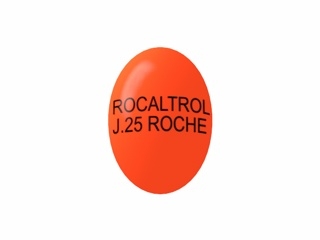
| Rocaltrol | Calcitriol | Oral vitamin D analogue (active vitamin D) | Commonly available strengths include 0.25 micrograms and 0.5 micrograms |
Important: Strengths and pack sizes can vary. Always check the label on your own medicine and follow your prescriber’s instructions and the pharmacist’s advice.
2) What Rocaltrol is used for
Rocaltrol is used when the body needs help with calcium balance—particularly in conditions where vitamin D activation or phosphate handling is abnormal.
Indications (common clinical uses)
- Hypocalcaemia (low blood calcium) in patients with hypoparathyroidism and after thyroid surgery or other conditions causing low parathyroid function.
- Renal (kidney-related) osteodystrophy or bone disease due to chronic kidney disease, often involving disturbed calcium/phosphate metabolism.
- Certain patients with vitamin D–responsive bone or mineral disorders where active vitamin D is required.
Your doctor may also use it for related conditions where active vitamin D is clinically appropriate. If you’re unsure why it was chosen for you, ask your pharmacist or prescriber.
3) How it works (mechanism of action)
Calcitriol is the biologically active form of vitamin D. It works by binding to vitamin D receptors in the body, influencing gene activity and supporting key mineral processes.
- Increases calcium absorption from the gut.
- Improves calcium levels in the blood, which helps prevent or treat hypocalcaemia.
- Affects phosphate handling by influencing the balance between calcium and phosphate—particularly important in kidney-related disorders.
- Supports bone mineralisation, helping bone strengthen when mineral metabolism is disrupted.
Because it is already the active vitamin D form, Rocaltrol can work even when the kidneys cannot convert vitamin D into its active form efficiently.
4) Pharmacokinetics (how the body processes it)
“Pharmacokinetics” describes what the body does to a medicine—how it is absorbed, distributed, metabolised and eliminated.
- Absorption: Calcitriol is absorbed from the gastrointestinal tract after oral use.
- Distribution: It circulates in the bloodstream and binds to vitamin D–related transport proteins.
- Metabolism: Calcitriol is metabolised primarily in the liver and other tissues.
- Elimination: It is cleared from the body through metabolic pathways, with metabolites excreted mainly via the bile and kidneys.
The exact timing of onset and the final effect depend on your baseline vitamin D status, kidney function, and the dose. Regular blood tests are used to monitor safety and effectiveness.
5) Typical use and timing
How often is it taken?
Many patients take Rocaltrol once daily, but the exact schedule can vary based on your condition and blood test results. Some people may use different dosing patterns (for example, dose adjustments may be made to maintain calcium within target range).
When to take it
- Take your dose at a time that is easy to remember each day.
- Many people choose to take it in the morning to help maintain a consistent routine.
- If you’ve been told to take it at a particular time (for example, with or away from other medicines), follow that advice.
How long does it take to work?
Effects on calcium levels can begin within days, but dose adjustments are typically guided by repeated blood tests. It’s common for clinicians to monitor calcium and sometimes phosphate and kidney function during dose changes.
6) Food interactions and dietary considerations
Food does not usually “cancel out” calcitriol, but your total diet can influence calcium and phosphate levels. Your clinician may advise dietary adjustments alongside Rocaltrol.
General dietary points
- Calcium intake: Avoid sudden large changes in calcium intake unless advised. If you take calcium supplements, discuss them with your pharmacist or prescriber.
- Phosphate intake: If you have kidney disease, you may already have guidance about phosphate-rich foods. Follow the dietary plan provided for your condition.
- Consistency: Try to keep your diet reasonably consistent day to day to make blood test results easier to interpret.
Absorption with meals
Calcitriol can generally be taken with or without food. If you find stomach upset occurs, ask whether taking it with food is appropriate for you.
7) Alcohol interactions
There are no well-known direct alcohol “dose-kill” interactions specific to calcitriol in standard references, but alcohol can affect hydration status, adherence to medication schedules, and overall health.
- Moderation is advised.
- If you drink alcohol, do so in line with UK guidance and consider your kidney function and risk of dehydration.
- If you experience dizziness, nausea, weakness, or symptoms of high calcium after drinking, seek medical advice.
Because calcitriol can cause high calcium (hypercalcaemia) in some circumstances, it’s especially important to follow your monitoring plan and dosing instructions.
8) Interactions with other medicines
Interactions can happen because medicines may change calcitriol levels, calcium levels, or the way your body handles minerals. Always tell your healthcare professional about all medicines, including over-the-counter products and herbal remedies.
Common interaction themes
- Other calcium or vitamin D products: Combining with additional vitamin D or calcium may raise the risk of high calcium.
- Thiazide diuretics: These can increase calcium levels, potentially increasing hypercalcaemia risk when used with active vitamin D.
- Magnesium-containing medicines: In kidney impairment, magnesium can build up; your clinician may monitor relevant minerals.
- Magnesium and aluminium-containing antacids: In people with reduced kidney function, these may complicate mineral balance.
- Sequestrants (bile acid–binding resins): They can reduce absorption of fat-soluble nutrients, which may affect vitamin D therapy.
- Certain anticonvulsants: Some medicines can alter vitamin D metabolism, which may require dose review.
- Cardiac medicines (especially digoxin): High calcium can increase the risk of digoxin-related effects. If you take digoxin, monitoring is particularly important.
What to do
- Check with a pharmacist if you start or stop any medicine, including supplements.
- Keep your own list of medicines and bring it to consultations.
- Report symptoms that suggest calcium imbalance promptly (examples below).
9) Dosing information (general guidance)
Dosing is individual. Rocaltrol is typically adjusted based on blood test results (commonly calcium; sometimes phosphate) and clinical response. The aim is to keep calcium in a safe, target range without causing side effects.
Usual dosing approach
- Starting dose: Often a low dose, especially in people at higher risk of hypercalcaemia or with kidney impairment.
- Titration: Your clinician may increase or decrease the dose gradually.
- Ongoing monitoring: Blood tests guide ongoing dosing.
Do not change your dose yourself
Even small changes can significantly affect calcium levels with active vitamin D. If you miss a dose or wish to adjust timing, speak to your pharmacist or prescriber for tailored advice.
10) Safety profile and side effects
Like all medicines, Rocaltrol can cause side effects. The most important risk is too much calcium, called hypercalcaemia, which can become serious if untreated.
Common and important side effects
- High calcium symptoms: nausea, constipation, abdominal pain, increased thirst, frequent urination, weakness, fatigue, confusion, or headaches.
- Kidney-related issues: if calcium is too high, kidney stones or impaired kidney function may occur in susceptible people.
- General tolerability: some people may experience dizziness or appetite changes, especially during dose adjustment.
When to seek urgent help
Seek urgent medical advice if you develop severe symptoms such as persistent vomiting, severe confusion, significant dehydration, fainting, or symptoms suggesting dangerously high calcium levels.
Risk factors for hypercalcaemia
- Taking doses higher than recommended
- Using additional vitamin D or calcium products without advice
- Dehydration
- Certain kidney conditions
- Changes in diet or other medicines that raise calcium
11) Practical use tips (to get the best results and reduce risk)
- Follow your monitoring schedule. Keep blood test appointments—these are essential for safe dosing.
- Be consistent with timing. Try taking it at the same time each day.
- Check labels carefully. Calcitriol strengths may differ between products; use the exact strength you were given.
- Avoid “stacking” vitamin D. Don’t add over-the-counter vitamin D supplements unless your healthcare professional agrees.
- Tell healthcare staff. Mention Rocaltrol if you’re seeing another clinician, going to hospital, or receiving dental care.
- Hydration matters. If you have kidney problems, maintaining appropriate fluid intake (as advised) can help.
- Keep a medication list. Include supplements and any antacids or mineral products.
Missed dose guidance (general)
If you miss a dose, follow the advice given by your prescriber or pharmacist. In general, do not take a double dose to make up for a missed tablet/capsule. Because dosing is carefully titrated, it’s best to confirm what to do for your specific situation.
12) Alternative options
Depending on the underlying condition and lab results, your clinician may consider other approaches to manage calcium and vitamin D metabolism. Alternatives may include:
Possible alternatives
- Other active vitamin D medicines (in some cases), which may suit different patients based on tolerability and monitoring.
- Standard vitamin D (cholecalciferol/ergocalciferol) in situations where the body can activate vitamin D adequately. (This may not be suitable when active vitamin D is required.)
- Calcium supplementation alone or in combination, depending on calcium levels and treatment goals.
- Condition-specific treatment for the underlying cause (e.g., management of parathyroid function).
Alternative therapy depends on your diagnosis, kidney function, current calcium and phosphate levels, and how you respond to treatment. Discuss options with your pharmacist or prescriber before making any changes.
13) Market and legal context in the UK
In the UK, medicines containing calcitriol are regulated and supplied through healthcare channels in line with UK medicine regulations. Access usually involves assessment of the underlying condition and appropriate monitoring of calcium and related parameters.
- Quality and regulation: Rocaltrol is an authorised medicine with defined manufacturing quality standards.
- Safety requirements: Because of the risk of hypercalcaemia, careful dose selection and monitoring are central to safe use.
- Clinical follow-up: Patients often need repeated blood tests and periodic review of dose.
If you’re buying medicine through an online pharmacy in the UK, ensure the pharmacy is reputable and that the medicine is supplied in appropriate packaging with clear product labelling.
14) Recent guidance and clinical monitoring (UK-relevant considerations)
Clinical practice in the UK commonly emphasises:
- Regular monitoring of calcium levels and, when relevant, phosphate and kidney function.
- Careful dose titration for active vitamin D to balance effectiveness and safety.
- Review of interacting medicines that can influence calcium levels.
- Patient education to recognise symptoms of high calcium and to understand dietary/supplement considerations.
Guidance can evolve as new evidence emerges. Your clinician may update monitoring frequency or targets based on your health status. If you have questions about what tests you should expect, ask your GP or specialist team.
15) Delivery and availability (UK online pharmacy)
Availability and delivery options vary by supplier and stock levels. When ordering Rocaltrol from a UK online pharmacy:
- Check stock status on the product page before completing your order.
- Delivery times depend on location, courier service, and whether the item is dispatched from local or central facilities.
- Packaging should protect tablets/capsules and maintain clear labelling for safe use.
- If the medicine is unavailable, some pharmacies can offer alternatives or help arrange supply promptly.
Always confirm the strength and form you are receiving match your current treatment, and keep the leaflet and label for reference.
16) FAQ
Can I take Rocaltrol with food?
Many people can take calcitriol with or without food. If you get stomach upset, consider taking it with a meal, but confirm with your pharmacist for your specific situation.
How will I know if my dose is too high or too low?
Blood tests (commonly calcium) are the key way to assess this. Symptoms of high calcium may include constipation, nausea, increased thirst, tiredness, and confusion. If you notice symptoms, contact your healthcare professional promptly.
What should I do if I forget a dose?
Don’t take a double dose. Check with your pharmacist or follow the advice you were given when your medicine was dispensed for the correct plan.
Are there any foods I should avoid?
There are no universal food “bans” for everyone on Rocaltrol, but your total calcium and phosphate intake matters—especially if you have kidney disease. Avoid sudden large changes in supplements or diet unless your clinician advises.
Can I take over-the-counter vitamin D or calcium supplements?
Only take additional vitamin D or calcium if your healthcare professional advises it. Adding supplements without guidance can increase the risk of hypercalcaemia.
Is it safe to drink alcohol?
Moderate alcohol is not usually directly contraindicated, but dehydration and general health effects can be relevant. Follow UK alcohol guidance and seek advice if you notice worsening symptoms.
Does Rocaltrol affect driving or operating machinery?
Some people may feel tired or dizzy, particularly if calcium levels change during dose adjustment. If you feel unwell, avoid driving or operating machinery and seek advice.
Can Rocaltrol be used in kidney disease?
It’s often used in kidney-related disorders where calcium/phosphate metabolism is affected. However, kidney function influences the risk of mineral imbalance, so close monitoring is essential.
What happens if I stop taking Rocaltrol?
Stopping suddenly can lead to recurrence of low calcium symptoms in some people. Do not stop unless your prescriber advises.
Are there similar medicines I could switch to?
There may be alternative active vitamin D preparations or vitamin D approaches depending on your condition. Switching should be done with clinician guidance and monitoring.
Key takeaways
- Rocaltrol (calcitriol) is active vitamin D used to support normal calcium and phosphate balance.
- It works quickly compared with inactive vitamin D forms and is especially useful when the body cannot activate vitamin D effectively.
- The main safety concern is high calcium; monitoring and dose adjustments are essential.
- Keep dietary and supplement intake consistent and discuss any changes with your pharmacist or prescriber.
- If you have symptoms suggesting calcium imbalance, contact your healthcare professional promptly.
Disclaimer: This information is for patient education and does not replace advice from a healthcare professional. If you have questions about your specific treatment plan, ask your pharmacist or prescriber.