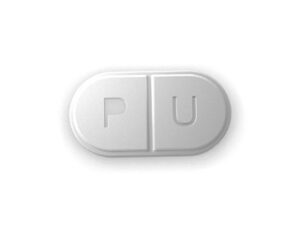


Mestinon (Pyridostigmine) – Patient-Friendly Guide (UK)
Mestinon is a medicine containing pyridostigmine. It is commonly used to treat conditions that involve weakness of skeletal muscles, particularly when the problem is related to how nerves communicate with muscles. This guide explains how it works, how it is taken, what to expect, and important safety information—written for patients in the United Kingdom.
Quick overview
| Category | Details |
|---|---|
| Medicine name | Mestinon (pyridostigmine) |
| How it works | Reversibly increases acetylcholine availability at the neuromuscular junction |
| Common uses | Myasthenia gravis; sometimes other selected neuromuscular conditions as advised by a specialist |
| Typical dosing style | Often multiple doses per day to maintain symptom control |
| Availability (UK) | Typically supplied through UK pharmacies; availability may vary by formulation and strength |
What is Mestinon?
Mestinon (pyridostigmine) is a medicine that belongs to the group called cholinesterase inhibitors. It is designed to help improve communication between nerves and muscles. When this communication is impaired, muscles can become weak and fatigable. Mestinon helps reduce this weakness in many people.
The brand name Mestinon may be available in different formulations (for example, tablets and/or extended-release options depending on local supply). Your pharmacist or clinician can confirm the exact product you are prescribed.
How Mestinon works (mechanism of action)
At the neuromuscular junction—the place where a nerve signals a muscle—communication depends on a chemical called acetylcholine. After acetylcholine sends its message, an enzyme called acetylcholinesterase helps break it down so the signal can reset.
Pyridostigmine works by reversibly inhibiting acetylcholinesterase. This means:
- Acetylcholine is broken down more slowly.
- More acetylcholine is available to activate muscle receptors.
- Muscle strength and endurance can improve, especially in conditions like myasthenia gravis.
Importantly, the goal is improved neuromuscular transmission, not a general “muscle booster.” Response can vary between individuals, and dosing often aims to balance benefit with side effects.
Pharmacokinetics (how the body handles it)
Understanding pharmacokinetics can help explain why dosing sometimes needs to be frequent. While exact figures can vary by formulation and individual factors, the general pattern for pyridostigmine is:
- Absorption: Pyridostigmine is absorbed after oral administration.
- Onset: Symptom improvement may begin within a relatively short time after a dose.
- Duration: Effects are typically not all-day; many people require multiple daily doses to cover waking hours.
- Metabolism and clearance: Pyridostigmine is cleared mainly by the body’s elimination processes, including renal excretion of unchanged drug to a significant degree.
- Variability: The degree of benefit and side effects can vary between people and can change over time as the underlying condition fluctuates.
If you have kidney problems or you are an older adult, your clinician may adjust dosing and monitor response more closely.
What is Mestinon used for?
The main, well-established use of Mestinon is for disorders of neuromuscular transmission. In the UK, it is most commonly associated with:
- Myasthenia gravis: to improve muscle strength and reduce fatigability.
Your healthcare professional will decide the most appropriate treatment plan for your particular condition. Mestinon may be used alone or in combination with other treatments for myasthenia gravis (for example, immunomodulatory therapies), depending on severity and clinical judgement.
How to take Mestinon: timing and practical guidance
For many patients, Mestinon is taken in a schedule designed to align with symptom patterns during the day. A common approach is:
- Split dosing: Taking doses several times a day can help maintain steadier symptom control.
- Match your “bad times”: If you typically feel weaker later in the day, dosing may be planned to provide greater coverage then.
- Keep a routine: Try to take doses at consistent times each day.
Your exact regimen depends on your formulation, strength, and how you respond. Always follow the directions given to you by your healthcare professional. If you are unsure, ask your pharmacist.
When does it work?
Many patients notice improvement after a dose, but the timing can vary. Some people experience:
- Shorter bursts of benefit with immediate-release formulations.
- Different coverage duration depending on the formulation type.
Keeping a simple log of symptoms (e.g., morning, afternoon, evening) and noting when you take each dose can help you and your clinician fine-tune timing.
Food interactions
Food can affect how medicines are tolerated and how quickly they’re absorbed. For pyridostigmine, practical guidance often includes:
- Take with or after food if stomach upset occurs (unless your prescribing instructions say otherwise).
- Swallow tablets whole with water unless your pharmacist advises an alternative approach.
If you have severe nausea, vomiting, diarrhoea, or abdominal cramping, talk to your clinician. These may indicate that your dose may be too high, or that side effects are affecting your ability to eat and absorb nutrients.
Alcohol and medicine interactions
Alcohol may affect muscle function, hydration, sleep, and overall wellbeing. In people with neuromuscular conditions, alcohol can sometimes worsen fatigue or coordination and may make symptoms less predictable.
There is no universal rule that alcohol is always “safe” or “unsafe” with Mestinon, but it is sensible to use caution:
- Avoid heavy drinking or binge patterns, especially if you notice your symptoms worsen.
- Stay hydrated and monitor how you feel after drinking.
- Be careful with sedation from other medicines, as combining alcohol with sedating drugs can increase risk.
If you drink alcohol regularly, discuss it with your clinician. If you take other medicines (including over-the-counter products), check for possible interactions.
Medicine interactions: what to watch for
Pyridostigmine works by affecting cholinergic signalling, so medicines that influence the same pathways can increase or reduce effects. Some interactions can also raise the risk of side effects.
Speak to a pharmacist or clinician before combining Mestinon with:
- Other cholinesterase inhibitors or agents that increase acetylcholine effects.
- Anticholinergic medicines (which oppose cholinergic effects), as they may reduce effectiveness.
- Neuromuscular blocking agents used during anaesthesia or certain procedures—anaesthetists need to know your medication history.
- Medicines that can affect heart rate and rhythm, particularly if you already experience bradycardia (slow heart rate).
This is not a complete list. Always provide your healthcare professional with a full list of medicines, supplements, and herbal products. If you use an online pharmacy, your pharmacist can help check interactions during order fulfilment.
Indications (conditions it helps)
The primary indication for Mestinon is:
- Myasthenia gravis to improve muscle strength.
In practice, use may extend to other selected neuromuscular disorders under specialist care. If you are taking Mestinon for a reason other than myasthenia gravis, ask your clinician for clarification on the goals of treatment and what improvement you should expect.
Dosing: general principles (UK patient guidance)
Dosing of Mestinon is individual. Factors include the specific formulation, your symptom pattern, age, kidney function, and whether side effects occur at lower doses.
Key points for dosing:
- Start low and adjust: Many regimens begin at a cautious dose and are then titrated based on response.
- Split across the day: Often multiple doses are taken to cover periods of weakness.
- Monitor side effects: Excess dosing may cause cholinergic side effects (see Safety section).
- Don’t change your dose suddenly: If symptoms worsen or you have troublesome side effects, contact your clinician rather than adjusting independently.
Typical dose timing
While exact dose and schedule differ, common practice is to take doses several times per day, ensuring you have coverage during times of greatest weakness. Some formulations may last longer than others—follow the instructions specific to your product.
If you miss a dose: Take it when you remember unless it is close to the time of the next dose. Do not take a double dose to make up for a missed one. If you’re unsure, ask your pharmacist for advice.
Safety profile and side effects
Like all medicines, Mestinon can cause side effects. Many are related to increased cholinergic activity. In myasthenia gravis treatment, clinicians aim for the “sweet spot” where benefits improve strength without causing intolerable side effects.
Common side effects
- Abdominal cramps or discomfort
- Nausea
- Diarrhoea
- Increased saliva or gastrointestinal secretions
- Increased sweating
- Headache
- Muscle twitching or increased urgency
Less common but important side effects
- Slow heart rate (bradycardia), dizziness
- Low blood pressure symptoms such as light-headedness
- Wheezing or breathing difficulties (especially if secretions increase)
- Urinary frequency
Seek urgent medical help if
- You have severe breathlessness, chest tightness, or trouble breathing.
- You feel faint, have severe dizziness, or a very slow heartbeat with weakness.
- You experience significant vomiting or diarrhoea leading to dehydration.
- You have rapid worsening weakness or trouble swallowing, particularly if it affects breathing.
These symptoms can be related to side effects or changes in the underlying neuromuscular condition. Getting prompt advice is crucial.
Practical use tips for everyday life
- Keep a symptom diary: Track strength, fatigue, swallowing, breathing comfort, and times of day. This can help your clinician adjust timing.
- Watch for “too much” effects: Excessive cholinergic symptoms (cramps, diarrhoea, drooling, sweating) may suggest dose-related side effects.
- Maintain hydration: If diarrhoea occurs, drink fluids and contact your healthcare professional for guidance.
- Plan around meals: If you notice stomach upset, taking with food (as advised) may help.
- Be cautious with strenuous activity: Exercise can affect fatigue patterns. Use Mestinon as planned and pace yourself.
- Tell relevant staff: Let dentists, clinicians, and hospital teams know you take pyridostigmine, especially before procedures.
Alternative options (depending on your condition)
The “best alternative” depends on your diagnosis, severity, and treatment goals. For myasthenia gravis, alternative or additional approaches may include:
- Other cholinesterase inhibitors (where appropriate and available).
- Immunomodulatory or immunosuppressive treatments for some patients, typically initiated and monitored by specialists.
- Supportive treatments such as symptom management strategies, physiotherapy, and fatigue planning.
- For selected cases: specialised therapies (e.g., thymic interventions or biologic therapies) may be considered by specialists.
Do not stop or switch Mestinon without medical advice. If you feel it is not working well, discuss whether timing, dose adjustment, or additional therapies are needed.
UK market and legal context (how it fits in the NHS and private care)
Medicines in the UK are regulated and distributed under established pharmaceutical and clinical governance frameworks. Pyridostigmine-containing products such as Mestinon are supplied through UK pharmacy channels and used under clinical supervision for appropriate indications.
Availability can depend on formulation, strength, and current supply arrangements. Online pharmacies in the UK may show stock status at the time of ordering, and some products may be temporarily limited. Always check the product details on the website for strength and form.
Recent years have also seen increased focus on:
- Medicines safety and interaction checks at the point of dispensing.
- Improved patient education about side effects and when to seek help.
- Specialist-led management for neuromuscular conditions, especially where breathing or swallowing risks are involved.
Recent guidance and clinical monitoring (what clinicians typically emphasise)
While guidance can differ by healthcare organisation and individual patient needs, clinical practice for pyridostigmine therapy commonly emphasises:
- Regular review of symptom control and side effects.
- Monitoring for cholinergic excess (when the dose is too high) and for worsening weakness (when symptoms are not adequately controlled).
- Careful planning around intercurrent illness (infections can worsen symptoms in neuromuscular conditions).
- Coordination between primary care and neurology/immunology teams for ongoing management.
If you notice changes—such as new swallowing problems, increasing fatigue, or breathing discomfort—contact your healthcare team promptly.
Delivery and availability (online pharmacy)
When ordering Mestinon from a UK online pharmacy, availability may depend on the specific:
- formulation (e.g., tablet type),
- strength, and
- current stock status and supply schedules.
Many online pharmacies provide options such as standard and express delivery depending on location and urgency. Delivery dates shown at checkout reflect real-time availability at the time of processing.
For safety and authenticity, the product should be supplied from legitimate pharmaceutical sources and packaged according to UK requirements. If your order arrives with damaged packaging or you are unsure the product is correct, contact the pharmacy before use.
FAQ
1) How quickly will Mestinon work?
Many people notice symptom improvement after a dose, but the timing varies by formulation and individual response. Your clinician can help set expectations based on the product you are using. Keeping a short symptom diary can be useful.
2) What should I do if I get diarrhoea or stomach cramps?
These are common cholinergic side effects. Contact your healthcare professional or pharmacist for advice, as your dose may need adjustment. Stay hydrated and avoid dehydration. Seek urgent help if symptoms are severe or persistent.
3) Can I take Mestinon with food?
Food can influence comfort and, in some cases, tolerance. Many patients find taking with food helps reduce stomach upset. Follow your prescribed instructions and ask your pharmacist if you experience persistent gastrointestinal symptoms.
4) Can I drink alcohol while taking Mestinon?
Moderate alcohol may be possible for some people, but alcohol can worsen fatigue and may make symptoms less predictable. Use caution, avoid heavy drinking, and monitor how you feel. Discuss your alcohol intake with your clinician if you are unsure.
5) Are there medicines I should avoid?
Some medicines can interfere with cholinergic signalling and may either reduce Mestinon’s effectiveness or increase side effects. Always provide your pharmacist with a full list of medicines, including over-the-counter and herbal products.
6) What happens if I miss a dose?
If you miss a dose, take it when you remember unless it is close to the next scheduled dose. Do not take a double dose. If you’re uncertain, ask your pharmacist.
7) Is Mestinon safe for everyone?
Mestinon is not suitable for everyone. Tell your clinician about kidney problems, breathing issues, heart rhythm problems, and all other medicines you take. Your individual risk depends on your health situation and how you respond to treatment.
8) How long will I need to take it?
This depends on your underlying condition and treatment plan. Some people need ongoing symptom control, with periodic review and possible changes over time. Do not stop suddenly without medical advice.
9) Will Mestinon affect driving or operating machinery?
Most people can drive if they feel well and are not affected by side effects like dizziness or weakness. If you experience light-headedness, severe fatigue, or episodes of worsening weakness, avoid driving and seek advice.
10) What should I do before surgery or dental procedures?
Inform the healthcare team that you take pyridostigmine. Anaesthetic and procedure planning may require special attention to neuromuscular effects and medication interactions.
Important: This information is for general patient guidance. Your clinician and pharmacist can provide advice tailored to your specific product, dose, and medical history. If you develop new or worsening breathing problems, severe side effects, or a significant change in muscle weakness, seek urgent medical attention.