

Diclofenac (Diclofenac sodium) — Patient-Friendly Guide (UK)
Diclofenac is a medicine from the NSAID (non-steroidal anti-inflammatory drug) family. It is used to relieve pain, reduce inflammation, and lower temperature in certain conditions. In the United Kingdom, diclofenac is available in different forms (for example tablets/capsules, modified-release preparations, and topical products like gels and patches), depending on the strength and the intended use.
This guide explains how diclofenac works, how the body handles it, what it’s used for, how to take or apply it safely, and what to consider with food, alcohol, and other medicines. Always follow the instructions provided with your specific product.
Key product information
| Feature | What to know |
|---|---|
| Generic name | Diclofenac (diclofenac sodium) |
| Drug class | NSAID (anti-inflammatory pain relief) |
| Main benefits | Relieves pain and inflammation; may reduce fever |
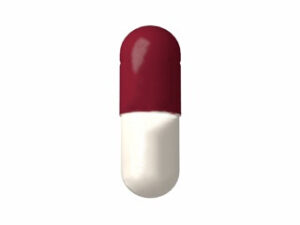
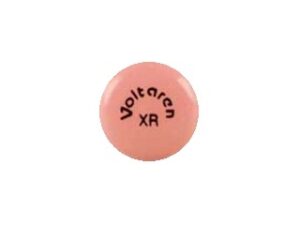
| Common forms | Tablets/capsules (including modified-release), suppositories (where available), topical gel/cream, and medicated plasters/patches |
| Typical use | Muscle and joint pain, sprains, back pain, arthritic pain, and other inflammatory conditions (depending on form) |
| Important safety notes | Can increase risk of stomach irritation/ulcers and may affect the heart/blood pressure; use the lowest effective dose for the shortest duration |
How diclofenac works (mechanism of action)
Diclofenac reduces pain and inflammation by blocking enzymes called COX-1 and COX-2 (cyclo-oxygenase). These enzymes help produce prostaglandins—chemicals involved in inflammation, pain signalling, and fever.
- Less inflammation: Prostaglandin levels fall, reducing swelling and redness.
- Less pain: Nerve endings become less sensitised to pain signals.
- Lower fever (in some cases): The body’s temperature set point is affected via prostaglandins.
As an NSAID, diclofenac can also reduce protective prostaglandins in the stomach, which is why stomach irritation and ulcers are a key safety consideration.
Pharmacokinetics: what the body does with diclofenac
“Pharmacokinetics” describes how diclofenac is absorbed, distributed, metabolised, and eliminated.
Absorption
- Oral forms: Diclofenac is absorbed from the gut. Modified-release preparations release diclofenac more slowly.
- Topical forms: Diclofenac is absorbed through the skin into local tissues, with lower systemic exposure than many oral preparations.
Distribution
Diclofenac is widely distributed in the body. In inflammatory conditions affecting joints, it may reach relevant tissues to help relieve local pain.
Metabolism
Diclofenac is mainly processed by the liver (primarily through enzyme pathways such as CYP2C9). This is why certain medicines that affect liver enzymes may alter diclofenac levels.
Elimination
Diclofenac and its metabolites are eliminated mostly via the kidneys (in urine) and, to some extent, via bile/faeces. The clearance and overall duration of effect depend on the formulation (especially oral modified-release versus immediate-release, and topical preparations).
Typical uses in the UK
The exact indication depends on the formulation and the strength. Common uses include:
- Arthritic pain and inflammation: for conditions such as osteoarthritis and rheumatoid arthritis (as advised by clinicians or product instructions).
- Back pain and musculoskeletal pain: strains, sprains, and muscular discomfort.
- Sports injuries: for localized pain and inflammation, particularly with topical forms.
- Joint pain: knee, shoulder, and other joint flare-ups where inflammation is present.
- Period pain (when appropriate): some NSAIDs may be used for painful periods; availability and suitability depend on the specific product.
- Inflammatory conditions: where a reduction in inflammation and pain helps improve movement and comfort.
Always check the patient information leaflet for your specific diclofenac product to confirm its exact licensed uses.
Timing and how to use diclofenac
General timing principles
- Use the lowest effective dose that controls symptoms.
- Use for the shortest time needed.
- Take at regular intervals if using oral diclofenac (based on the product schedule).
- Do not exceed the maximum daily dose stated on your product label/leaflet.
With meals (food timing)
Many people find taking oral diclofenac with food helps reduce stomach discomfort. Modified-release products should be taken according to the leaflet directions—do not crush or chew unless the product states it’s safe.
Topical timing
For gels/creams/plasters, apply to clean, dry skin and follow the instructions on the pack. Avoid applying to broken or infected skin. Wash hands after application (unless your hands are the treatment area).
Food interactions and stomach safety
Food does not “cancel out” diclofenac, but it can influence how well you tolerate it. NSAIDs can irritate the stomach lining, and taking them on an empty stomach may increase the risk of indigestion, nausea, or more serious problems.
- Taking with food may help: particularly for tablets/capsules.
- Avoid taking with alcohol (see below): this can further increase gastrointestinal irritation risk.
- Consider gastric protection if advised: some people at higher risk may be offered medicines that protect the stomach (for example, proton pump inhibitors), but this should be discussed with a healthcare professional.
If you experience severe stomach pain, vomiting blood, or black/tarry stools, seek urgent medical help.
Alcohol interactions
Drinking alcohol while using diclofenac can increase the risk of:
- Stomach irritation (heartburn, gastritis)
- Gastrointestinal bleeding (in higher-risk situations)
- Kidney stress (especially if dehydrated)
If you plan to drink alcohol, consider avoiding diclofenac on the same day or minimising use, and discuss your situation with a pharmacist or clinician—particularly if you have a history of ulcers, bleeding, kidney disease, or you take other medicines that affect bleeding.
Medicine interactions: important examples
Diclofenac can interact with other medicines. Below are common interactions that are particularly relevant to UK patients.
Other NSAIDs and aspirin
- Avoid combining with other NSAIDs (such as ibuprofen, naproxen, or additional diclofenac products) unless specifically instructed.
- Low-dose aspirin: some people take aspirin for heart protection. Combining aspirin and NSAIDs can increase bleeding risk.
Blood-thinners (anticoagulants)
- Warfarin and similar medicines: increased risk of bleeding.
- DOACs (e.g., apixaban, rivaroxaban, edoxaban, dabigatran): also may increase bleeding risk.
Medicines affecting blood pressure and kidneys
- ACE inhibitors (e.g., ramipril), ARBs (e.g., losartan), and diuretics (“water tablets”): NSAIDs can reduce the effect of these and may increase kidney stress, especially in dehydration.
Antidepressants (SSRI/SNRI)
Some antidepressants (SSRIs/SNRIs) can increase bleeding risk. When combined with NSAIDs, the risk of gastrointestinal bleeding may be higher.
Lithium
NSAIDs may increase lithium levels, raising the risk of lithium toxicity.
Digoxin
Diclofenac may increase digoxin levels in some cases.
Methotrexate
NSAIDs can increase methotrexate levels and risk of side effects, particularly at higher doses.
Diabetes and other medicines
NSAIDs may affect blood sugar control in some people. If you take antidiabetic medicines and notice changes in readings, speak to a clinician or pharmacist.
If you are taking any regular medicines, it’s wise to check with a pharmacist before starting diclofenac, especially if you are on blood thinners, blood pressure medicines, steroids, or multiple pain medicines.
Indications: when diclofenac may be appropriate
Diclofenac is indicated for the treatment of pain and inflammation in conditions such as:
- Osteoarthritis (joint pain and stiffness)
- Rheumatoid arthritis and other inflammatory arthritis (as advised)
- Musculoskeletal pain including sprains, strains, and back pain (topical and some oral products)
- Localised pain where topical NSAID treatment is suitable
- Dysmenorrhoea (painful periods) where relevant to the specific formulation and product licensing
Not all products are suitable for all patients. Choose the formulation that best matches your symptoms (localised vs widespread pain) and consider side-effect risk.
Dosing: how much to take or apply
Dosing depends on the formulation (immediate-release vs modified-release vs topical), your age, symptom severity, and your medical risk factors. The most reliable dosing information is on your product pack and leaflet.
Important: Always follow the instructions supplied with your specific diclofenac medicine and do not exceed the stated maximum daily dose.
Oral diclofenac (tablets/capsules)
- Often used once or multiple times daily, depending on whether the preparation is immediate-release or modified-release.
- Modified-release products typically require fewer doses per day but must be swallowed whole as directed.
Topical diclofenac (gel/cream/patch/plaster)
- Applied to the affected area as directed (commonly multiple times daily depending on strength).
- Use the amount specified in the leaflet (for example, “a certain length of gel” for a specific body area).
- Do not cover with airtight dressings unless advised.
If you miss a dose
- Oral: take it when you remember unless it’s close to the next dose; don’t take double.
- Topical: apply when you remember, then continue as normal. If it’s almost time for the next application, skip the missed one.
Safety profile: who should be extra cautious
Diclofenac can cause side effects, ranging from common mild effects (like indigestion) to rare but serious events. Your personal risk depends on your medical history and other medicines.
Seek urgent help if you notice
- Symptoms of stomach bleeding: vomiting blood, black/tarry stools, unusual weakness, or dizziness
- Signs of allergic reaction: swelling of the face/lips, wheezing, severe rash
- Chest pain, sudden breathlessness, or weakness on one side: possible serious cardiovascular event
- Severe skin reactions: blistering or peeling rash
- Reduced urine output or sudden swelling: possible kidney problem
Common side effects
- Indigestion, heartburn, nausea
- Headache, dizziness (less commonly)
- Topical reactions (for gels/patches): mild skin irritation, redness, itching
Serious risks to consider
- Gastrointestinal ulceration and bleeding: higher risk with past ulcers, older age, high doses, longer durations, smoking, or heavy alcohol use.
- Cardiovascular risk: diclofenac may increase risk of heart attack or stroke, particularly at higher doses or long-term use, and in people with existing cardiovascular disease.
- Kidney effects: NSAIDs can affect kidney function, especially if dehydrated or with pre-existing kidney issues.
- Blood pressure changes: NSAIDs may worsen hypertension for some people.
- Asthma sensitivity: some people with aspirin/NSAID-sensitive asthma may react with worsening symptoms.
People who should generally avoid diclofenac unless advised
- Those with a history of stomach ulcer or gastrointestinal bleeding
- Those with known NSAID allergy or previous serious reactions
- People with significant heart disease or previous stroke/heart attack (risk-benefit should be reviewed)
- People with significant kidney impairment
- Those taking certain interacting medicines (discuss before use—especially blood thinners)
- Pregnancy: NSAIDs are generally avoided later in pregnancy; if you are pregnant or trying to conceive, seek advice before using diclofenac.
Practical use tips for safer relief
- Choose the right form: topical diclofenac can be a good option for localised aches, potentially with fewer whole-body effects than oral NSAIDs.
- Keep treatment local: apply only to the affected area and avoid unnecessary widespread use.
- Stay hydrated: especially if you’re also taking diuretics or have higher dehydration risk.
- Monitor your symptoms: if pain worsens, lasts longer than expected, or you develop new symptoms (fever, swelling, numbness), seek medical advice.
- Don’t “stack” NSAIDs: avoid taking diclofenac together with ibuprofen/naproxen or additional NSAID products.
- Check for hidden NSAIDs: some cold/flu combinations contain NSAIDs.
- Use non-drug measures too: gentle movement, physiotherapy guidance, heat/cold packs, and stretching can reduce the need for frequent pain relief.
Alternative options for pain and inflammation
Depending on your symptoms and risk factors, alternatives may include:
Non-NSAID pain relief
- Paracetamol: often suitable for pain relief when NSAIDs are not appropriate (note the maximum daily dose and avoid doubling with combination products).
Other NSAIDs (when appropriate)
Other NSAIDs (such as ibuprofen or naproxen) may be considered, but they share similar class-related risks. Which is best depends on your medical history.
Topical alternatives
- Topical NSAIDs (other than diclofenac) may help for localised pain.
- Non-NSAID topical options (for example, some rubs or gels) may be used depending on availability and suitability.
Non-medicinal approaches
- Physiotherapy and strengthening exercises
- Heat or ice therapy
- Supportive measures (e.g., posture changes, ergonomic adjustments)
- Weight management for joint pain where relevant
If you’re unsure which option fits your situation—especially if you have stomach, heart, kidney, or asthma history—ask a pharmacist for guidance.
UK market and legal context (overview)
In the United Kingdom, medicines are regulated to support safety and appropriate use. Diclofenac products are available in various settings:
- Different forms and strengths may have different access routes.
- Safety updates and risk communication for NSAIDs are incorporated into patient information materials, reflecting ongoing monitoring of benefits and harms.
- Pharmacist and clinician advice plays an important role in choosing the right formulation and minimising risk.
For the most current information on availability and product-specific instructions in the UK, refer to the packaging and the leaflet included with your product.
Recent guidance and risk awareness (UK context)
In recent years, UK and European safety communications have emphasised:
- Using the lowest effective dose and shortest duration.
- Being especially cautious in people with cardiovascular disease, history of ulcer/bleeding, or kidney impairment.
- Considering alternative options (including topical formulations) for appropriate patients.
Guidance also highlights that NSAID risks may vary by individual and by dose and duration—so “more” is not necessarily “better” for pain relief.
Delivery and availability in the UK
Availability can vary by formulation, strength, and product licensing. For online pharmacies in the UK, diclofenac products are commonly supplied with standard delivery services where permitted.
- Dispatch times: may vary depending on stock and the product form.
- Delivery: typically provided within the estimated timeframe shown at checkout.
- Packaging: products are normally delivered in their original packaging with patient information.
If you need a specific strength or form (for example, gel versus modified-release tablets), check the listing details before ordering. If your symptoms are severe or persistent, consider speaking to a pharmacist for product selection.
FAQ: Diclofenac (Diclofenac sodium)
1) Is diclofenac safe for everyone?
No. Diclofenac is not suitable for everyone. People with certain conditions (such as previous stomach ulcers/bleeding, NSAID allergy, serious heart or kidney disease) or those taking interacting medicines should use it only after advice from a pharmacist or clinician.
2) What is the difference between gel and tablets?
Gel/patches are applied to the affected area and tend to have lower whole-body exposure. Tablets/capsules act systemically and are often used for broader pain or inflammatory conditions. Your best option depends on where the pain is and your risk factors.
3) Can I take diclofenac with paracetamol?
Paracetamol is generally considered a different type of pain relief and is often used alongside NSAIDs for additional symptom control. However, it depends on the exact products and your health conditions. Check the patient information for your medicines and ask a pharmacist if unsure.
4) Can I use diclofenac if I have asthma?
Some people with aspirin/NSAID-sensitive asthma may worsen after NSAID use. If you have a history of asthma triggered by aspirin or NSAIDs, avoid diclofenac and speak to a pharmacist.
5) How quickly does diclofenac work?
Many people notice pain relief within hours. Topical products may take longer to show full benefit, especially for deeper joint pain. If there is no improvement after the expected period, seek advice.
6) Should I avoid driving or operating machinery?
Diclofenac does not usually cause drowsiness. However, if you feel dizzy or unwell, avoid driving and seek advice.
7) What should I do if I accidentally take too much?
Contact NHS 111 or seek emergency medical help if you’ve taken more than the recommended dose, especially if you develop severe symptoms such as vomiting, stomach bleeding, severe dizziness, or breathing difficulties. Keep the product packaging available.
8) Can I drink alcohol while taking diclofenac?
It’s best to limit or avoid alcohol while using diclofenac due to increased risk of stomach irritation and bleeding. If you choose to drink, use caution and consider discussing your situation with a pharmacist.
9) How long can I use diclofenac?
Use the shortest time necessary to control symptoms. If pain persists beyond a few days (or keeps recurring), you should seek advice rather than continuing long-term.
10) Are there any topical precautions for diclofenac gel/patches?
Yes: apply only to intact skin, avoid eyes and mucous membranes, wash hands after application, and avoid covering with airtight dressings unless directed. Stop use if you get a significant rash or irritation.
When to get advice urgently
Contact a pharmacist or seek urgent medical help if you develop signs of allergy, stomach bleeding, severe worsening pain, chest pain, breathlessness, sudden weakness, or severe skin reactions. Early assessment is especially important if you have known risk factors for NSAID complications.
For day-to-day questions about suitability, dosing schedules, and safe combination with other medicines, a UK pharmacist can help you choose the safest option for your needs.