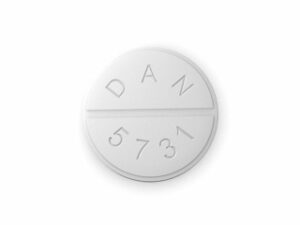


Pyridium (Phenazopyridine) — Patient Information (UK)
Pyridium contains phenazopyridine, a medicine used to relieve the painful symptoms associated with irritation of the urinary tract. It is designed to make you feel more comfortable while the underlying cause of symptoms—such as a urinary tract infection (UTI)—is treated.
This page is written for people in the United Kingdom and provides practical, patient-friendly guidance on what Pyridium is, how it works, when to take it, and how to use it safely.
Key information at a glance
- Active ingredient: Phenazopyridine
- What it helps with: Temporary relief of burning, pain and discomfort when passing urine
- Important note: It treats symptoms, not the cause of infection
- Typical duration: Short-term use only (often up to 2 days unless advised by a clinician)
- Common effects: Urine may turn orange/red
- Safety watch-outs: Not suitable for everyone—especially certain kidney problems and specific medical conditions
Basic product information
| Category | Details |
|---|---|
| Medicine name | Pyridium (phenazopyridine) |
| Common use | Symptomatic relief of urinary tract irritation |
| Formulations | Oral tablets/capsules depending on product availability |
| Where it works | Local effect on urinary tract lining |
| Onset of symptom relief | Often within hours of a dose |
| Colour changes | May turn urine orange/red (expected) |
How Pyridium works (mechanism of action)
Phenazopyridine belongs to a group of medicines sometimes referred to as urinary analgesics. It provides local pain relief by acting on the lining of the urinary tract.
- When phenazopyridine is excreted into urine, it can help reduce irritation and burning sensation.
- It does not kill bacteria. Therefore, it does not cure a UTI, kidney infection, or other underlying causes of urinary symptoms.
Pharmacokinetics (how the body handles it)
Understanding how phenazopyridine behaves in the body can help explain why safe use matters, particularly regarding kidney function.
- Absorption: After taking by mouth, phenazopyridine is absorbed and then carried into the bloodstream.
- Distribution: It reaches the urinary tract to exert its local symptom-relieving effect.
- Metabolism: It is metabolised in the body.
- Excretion: Phenazopyridine and its metabolites are mainly eliminated via the kidneys. This is one reason kidney impairment increases risk of side effects.
- Urine colour: The active ingredient or its metabolites can cause orange/red urine, which is an expected effect.
Clinical implication: Because elimination is largely through the kidneys, people with reduced renal function should be cautious and may need different advice from a healthcare professional.
Typical use in the UK: what it’s for
Pyridium is typically used for temporary relief of discomfort caused by irritation of the urinary tract.
Common indications (symptoms it may help)
- Burning or pain when passing urine
- Lower urinary tract discomfort
- Urinary urgency and irritation-related discomfort
When it may be used
- While awaiting diagnosis or while treating a suspected UTI
- To improve comfort during short-term symptomatic flare-ups
Not a replacement for medical assessment: If symptoms suggest a serious infection (e.g., fever, back/flank pain), you should seek urgent medical advice. Symptom relief alone can delay diagnosis.
Timing and how to take Pyridium
Follow the instructions on the pack or those provided by a pharmacist. If you are unsure, ask a healthcare professional for advice.
Typical timing
- Pyridium is usually taken after meals or with food to reduce the chance of stomach upset.
- Space doses according to the schedule on your product packaging.
How long to use it
- Use it for the shortest possible time to relieve symptoms.
- Many common recommendations limit use to up to 2 days unless advised otherwise by a clinician.
If symptoms do not improve: Do not continue indefinitely. Persistent symptoms can indicate the need for assessment and treatment of the underlying cause (for example, a bacterial UTI).
Dosing information (general guidance)
Dosing can vary by formulation strength and product presentation. Always check the specific pack instructions.
- Adults: Follow the dose stated on your Pyridium pack or pharmacist instructions.
- Children: Use in children should only occur if advised by a clinician and based on the correct age-appropriate product.
- Older adults: Caution may be needed, especially if kidney function is reduced.
Important: Do not exceed the stated dose. Taking higher-than-recommended doses increases risk of adverse effects, particularly in people with reduced kidney function.
Food interactions
Pyridium may cause stomach upset in some people. Taking it with food can help reduce nausea.
- With meals: Often better tolerated.
- Empty stomach: May increase risk of gastrointestinal discomfort for some users.
Drug–food interactions: No major food interaction is commonly highlighted, but it is sensible to take it as recommended and maintain adequate hydration.
Alcohol and medicine interactions
Alcohol does not usually have a specific direct interaction with phenazopyridine noted for routine use, but combining can increase the likelihood of side effects such as dizziness, stomach upset, or fatigue. Alcohol may also worsen dehydration.
- Avoid heavy drinking while taking Pyridium.
- Stay hydrated—drink water unless you’ve been told to restrict fluids.
Other medicine interactions: Always tell your pharmacist about all medicines you take, including prescription medicines, over-the-counter products, and supplements. In particular, if you are taking medicines that affect kidney function or have a history of kidney impairment, additional caution may be needed.
Urine testing caution: Because Pyridium can colour urine, it may affect the appearance of urine samples and potentially interfere with some urinary dipstick tests or visual assessment. Let a clinician know you have taken phenazopyridine before providing a urine sample.
Safety profile: side effects and who should be cautious
Common and expected effects
- Orange/red urine — expected and typically harmless
- Stomach discomfort, nausea
- Headache (reported by some users)
Less common but serious risks
Serious adverse effects are uncommon when used correctly and for a short period, but risk increases with higher doses and in people with kidney problems.
- Allergic reactions: rash, swelling, difficulty breathing (seek urgent help)
- Changes in blood or severe reactions: although rare, stop and seek medical advice if you feel unwell in an unusual way
- Kidney-related risk: since phenazopyridine is excreted via the kidneys, those with impaired renal function may be more prone to toxicity
Who should seek medical advice before use
- Known kidney disease or reduced kidney function
- Pregnancy or breastfeeding (discuss with a healthcare professional)
- Severe or recurring urinary symptoms
- History of allergic reactions to phenazopyridine or related medicines
When to stop and get urgent medical help
- Fever, chills, or feeling very unwell
- Back or side (flank) pain
- Blood in urine that is more than mild spotting, or worsening bleeding
- Rash, swelling, wheezing, or breathing difficulties
- Severe nausea/vomiting or signs of dehydration
Practical use tips
These tips can help you use Pyridium safely and get the most benefit from symptom relief.
- Use it short-term: Pyridium is for temporary relief. If symptoms persist, seek advice to address the cause.
- Hydrate: Drinking water can support urinary tract comfort and help flush irritants.
- Be prepared for urine colour change: Orange/red urine is expected; it is not usually blood.
- Inform healthcare professionals: If you submit a urine sample for testing, tell them you’ve used phenazopyridine.
- Avoid doubling up: Do not take multiple products that may contain similar urinary symptom relief ingredients.
- Don’t ignore red flags: Fever, kidney/back pain, or worsening symptoms need urgent evaluation.
Alternative options (depending on your situation)
If you’re dealing with urinary discomfort, the “right” alternative depends on whether symptoms are likely due to infection and how severe they are.
Non-medicine and self-care measures
- Hydration (unless restricted by a clinician)
- Warm compress to ease discomfort
- Avoid bladder irritants (some people find caffeine, alcohol, and spicy foods worsen symptoms)
- Pain relief for general discomfort: consider appropriate analgesics (for example, paracetamol) if suitable for you
Other medicine options
- UTI treatment: If a bacterial UTI is confirmed or strongly suspected, the underlying condition generally needs targeted treatment.
- Urinary analgesics: Phenazopyridine is one option; other urinary symptom-relief approaches may be available depending on local supply and product availability.
Important: Avoid using symptom relief to “mask” symptoms when you might need assessment for infection or other causes.
UK market and legal context: availability and guidance
In the United Kingdom, availability and supply arrangements depend on the specific product registration and local pharmacy policies. Phenazopyridine-containing products may be supplied via pharmacy channels subject to the relevant regulations and pharmacist assessment.
Pharmacies commonly use structured questions to help ensure:
- The medicine is appropriate for your symptoms
- There are no safety concerns such as kidney disease or allergy history
- You understand the medicine’s purpose (symptom relief, not cure)
- You know when to seek medical help
Recent guidance (high-level): UK health advice for urinary symptoms generally encourages appropriate assessment for suspected UTIs and careful use of symptomatic treatments. The emphasis is typically on:
- Recognising red-flag symptoms (fever, flank pain)
- Not relying on symptom relief alone for serious or persistent symptoms
- Seeking timely clinical review when symptoms do not improve
When to seek medical advice (important)
Contact a pharmacist or clinician promptly if:
- Your symptoms are severe, worsening, or not improving within the expected short timeframe
- You have recurrent UTIs
- You are pregnant, have kidney problems, or are immunocompromised
- You have male urinary symptoms (UTIs in men may require specific evaluation)
- You have symptoms after recent urinary catheter use
Seek urgent help if you have fever, back pain/flank pain, or feel very unwell—these can indicate a more serious infection.
Delivery and availability (UK online pharmacy)
Online pharmacies in the UK may supply Pyridium where it is permitted and appropriate under pharmacy supply rules. Availability can vary by brand and pack size.
- Ordering: Typically available for online purchase with pharmacy review steps.
- Delivery: Delivery times depend on the service selected and your location within the UK.
- Packaging: Medicines are usually dispatched in secure packaging to protect tablets from damage.
- Stock changes: If out of stock, you may be offered an alternative that is suitable for symptom relief.
Tip: If you need urgent relief and are unsure whether Pyridium is appropriate, contacting a pharmacist before ordering can help ensure safety and avoid delays.
FAQ about Pyridium (Phenazopyridine)
1) Is Pyridium a treatment for a UTI?
No. Pyridium helps relieve pain and burning from urinary irritation. It does not treat the underlying cause such as a bacterial infection. If you suspect a UTI, you may still need assessment and, if appropriate, treatment for the cause.
2) Why is my urine orange/red?
Phenazopyridine can cause orange or red urine. This is an expected effect and usually not blood. However, if you have heavy bleeding, feel unwell, or symptoms worsen, seek medical advice.
3) Can I use Pyridium for more than a couple of days?
Pyridium is intended for short-term symptom relief. Many recommendations limit use to up to 2 days unless a healthcare professional advises otherwise. If symptoms persist, you should get checked.
4) What if my symptoms don’t improve?
If burning or urinary discomfort continues beyond the short expected period, or if you develop fever or back pain, you should seek advice. Persistent symptoms may indicate something more than irritation alone.
5) Should I take it with food?
Taking Pyridium with food may reduce stomach upset. If the pack instructions allow, choose a method that best suits you (for example, after meals).
6) Can I drink alcohol while taking Pyridium?
It’s generally best to avoid or limit alcohol. Alcohol can worsen dehydration and may increase the chance of feeling unwell. If you choose to drink, keep it modest and stay hydrated.
7) Will Pyridium affect urine tests?
Because it can colour urine, it may affect visual appearance and possibly interfere with some urinary tests. Tell the clinician or testing service that you have taken phenazopyridine before giving a sample.
8) Who should not take Pyridium?
People with certain conditions—especially kidney problems—may need to avoid phenazopyridine or use it only with appropriate advice. If you have kidney disease, pregnancy/breastfeeding, or a history of drug allergy, speak to a pharmacist or clinician first.
9) What side effects should I watch for?
Common effects include orange/red urine and possible stomach upset. Stop and seek urgent medical help for signs of allergy (rash, swelling, breathing difficulty) or if you feel seriously unwell, particularly with fever or severe pain.
10) Are there alternatives to Pyridium?
Depending on your symptoms and cause, alternatives may include non-medicine comfort measures or different treatments. If a UTI is likely, symptom relief alone is usually not enough; addressing the underlying cause may be necessary.
Summary
Pyridium (phenazopyridine) is a urinary analgesic used for temporary relief of burning and discomfort when passing urine. It works locally by helping reduce irritation in the urinary tract, but it does not cure the underlying cause such as a bacterial UTI.
- Use it short-term and follow pack instructions.
- Expect orange/red urine.
- Seek medical advice if symptoms persist or you have red-flag signs such as fever or back/flank pain.
If you’re unsure whether Pyridium is suitable for you, or if your symptoms are complex or recurring, speak to a pharmacist for tailored guidance.