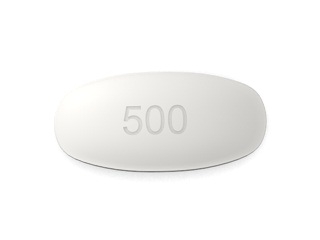
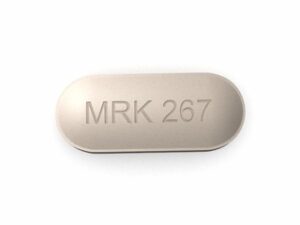
Naprelan (Naproxen) – Extended-Release Pain Relief (UK)
Naprelan is an extended-release version of the medicine naproxen, a type of anti-inflammatory drug known as an NSAID (non-steroidal anti-inflammatory drug). It is designed to provide longer-lasting pain relief for certain painful and inflammatory conditions.
This guide explains how Naprelan works, how it’s typically used, what to watch for, and practical tips to help you use the medicine safely. It is written for people in the United Kingdom and reflects general UK medicine information practices.
Basic product information
| Feature | What to know |
|---|---|
| Generic name | Naproxen |
| Brand name | Naprelan |
| Medicine type | NSAID (anti-inflammatory painkiller) |
| Formulation | Extended-release (often taken once daily, depending on strength and condition) |
| Common uses | Pain and inflammation from conditions such as osteoarthritis, rheumatoid arthritis, and other painful inflammatory conditions (see “Typical use”) |
| How it’s used | Swallowed whole; do not crush or chew extended-release tablets/capsules |
How Naprelan works (mechanism of action)
Naproxen works by reducing the production of certain chemicals in the body called prostaglandins. Prostaglandins are involved in:
- Pain signaling
- Inflammation (swelling, redness, warmth)
- Fever
Like other NSAIDs, naproxen achieves this by inhibiting the enzymes COX-1 and COX-2, which help generate prostaglandins. Because prostaglandins also help protect the stomach lining and support kidney function, NSAIDs can sometimes cause side effects—especially if used at higher doses or for longer periods.
Pharmacokinetics (how the body handles Naprelan)
“Pharmacokinetics” describes how the medicine is absorbed, distributed, metabolised, and eliminated. For extended-release naproxen, the key point is controlled release over time.
Absorption
After swallowing, the extended-release formulation dissolves gradually, helping maintain naproxen levels over the dosing interval. This is intended to reduce peaks and improve duration of effect.
Distribution
Naproxen is generally highly bound to plasma proteins, which influences how it distributes through the body and interacts with other medicines.
Metabolism
Naproxen is metabolised mainly in the liver.
Elimination
Metabolites are primarily eliminated through the kidneys and partly through other routes. If kidney or liver function is reduced, medicine levels and side-effect risk may increase.
If you have concerns about kidney function, liver health, or age-related changes, discuss the safest dosing approach with a healthcare professional.
Typical use and indications in the UK
Naprelan is used to relieve pain and inflammation related to several conditions. Indications can vary by dose and local product authorisation, but commonly include:
- Osteoarthritis (joint pain and stiffness, commonly knees/hips/hands)
- Rheumatoid arthritis (inflammatory joint disease)
- Other inflammatory and painful musculoskeletal conditions where an NSAID is appropriate
- Acute pain states as determined by a clinician (the best option depends on your symptoms and medical history)
In many people, NSAIDs can improve pain, reduce swelling, and improve mobility. However, they do not cure the underlying condition—they help manage symptoms.
When to take Naprelan (timing and dosing approach)
Naprelan is formulated for extended release, so it is typically taken less frequently than immediate-release naproxen—often once daily, depending on the strength and the condition.
Always follow the dosing instructions provided with your product. If you are unsure what dose to use, confirm with a healthcare professional or your pharmacist.
How to take it
- Swallow whole with water.
- Do not crush or chew extended-release forms.
- Take at the same time each day to help maintain consistent symptom relief.
- If your stomach is sensitive, taking with food may improve tolerability (see “Food interactions”).
Missed dose
If you miss a dose, take it when you remember unless it is close to your next dose. Do not take a double dose to make up for the missed one.
Food interactions and absorption
NSAIDs including naproxen can irritate the stomach in some people. Food may reduce stomach upset, though it can slightly delay absorption.
- Taking with food or milk may reduce the risk of indigestion, nausea, and stomach pain.
- Avoid lying down immediately after taking your dose—this can help reduce reflux symptoms for some people.
If you notice stomach discomfort after taking Naprelan, speak to a pharmacist about strategies to improve comfort and whether your dose or medicine choice should be reviewed.
Alcohol interactions
Alcohol can increase the risk of stomach irritation and bleeding with NSAIDs. It can also worsen dizziness and increase the chance of side effects.
- Limit alcohol while taking Naprelan.
- Avoid heavy or binge drinking.
- If you have a history of stomach ulcers or gastrointestinal bleeding, alcohol may be particularly risky.
If you’re unsure about what is safe for you, ask a healthcare professional for personalised advice.
Medicine interactions (important)
Naprelan can interact with other medicines. Interactions may change medicine levels, effectiveness, or safety. Always tell your pharmacist or healthcare professional about all medicines you take, including over-the-counter products and herbal remedies.
Common interaction categories
- Other NSAIDs (e.g., ibuprofen, diclofenac, aspirin for pain): using multiple NSAIDs increases the risk of stomach bleeding and kidney problems.
- Blood thinners (e.g., warfarin): increases bleeding risk.
- Antiplatelet medicines (e.g., clopidogrel): may increase bleeding risk.
- Selective serotonin reuptake inhibitors (SSRIs) / SNRIs (e.g., sertraline, citalopram, venlafaxine): may increase gastrointestinal bleeding risk when combined with NSAIDs.
- Corticosteroids (e.g., prednisolone): can increase risk of stomach irritation and ulceration.
- Diuretics (water tablets) and ACE inhibitors/ARBs (blood pressure medicines): combined use can affect kidney function in some people.
- Lithium: naproxen can increase lithium levels, raising toxicity risk.
- Methotrexate: may increase methotrexate toxicity.
- Cyclosporine/tacrolimus: can increase kidney-related risk.
- Digoxin: NSAIDs may increase digoxin levels in some cases.
These are general categories. Your exact risk depends on your dose, other conditions (especially kidney disease), and the combination of medicines.
Safety profile: who should use caution
Naprelan can be effective for pain and inflammation, but like all NSAIDs, it can cause side effects. Some risks are rare but serious and are more likely with higher doses, longer use, older age, and certain medical histories.
Common side effects
- Indigestion, heartburn
- Nausea
- Stomach pain or cramps
- Headache
- Dizziness
Serious warnings (seek urgent medical help)
Stop Naprelan and seek urgent medical advice if you experience:
- Signs of gastrointestinal bleeding: vomiting blood, black/tarry stools, blood in stool, or severe stomach pain
- Allergic reactions: swelling of face/lips, wheezing, severe rash, or difficulty breathing
- Severe skin reactions: blistering or peeling rash, or widespread painful rash
- Breathing problems (especially if you have asthma and NSAIDs previously triggered symptoms)
- Signs of kidney problems: reduced urination, swelling of ankles/feet, or sudden weight gain
- Signs of liver problems: yellowing of skin/eyes, dark urine, severe fatigue
- Chest pain, sudden shortness of breath, or weakness on one side (possible cardiovascular events)
Higher-risk situations
- History of stomach ulcers or gastrointestinal bleeding
- Taking medicines that increase bleeding risk (e.g., anticoagulants, SSRIs)
- Kidney disease or dehydration
- Heart disease or previous stroke
- Uncontrolled high blood pressure
- Older age (risk may be higher)
- Asthma sensitive to NSAIDs
Practical use tips for safer, more comfortable treatment
- Use the lowest effective dose for the shortest time that controls symptoms (this helps reduce risk).
- Take with food if you experience indigestion or stomach discomfort.
- Do not combine with other NSAIDs (unless specifically advised).
- Review your overall pain plan: sometimes combining medicine with physiotherapy/exercise or topical options improves outcomes.
- Stay hydrated, especially if you are unwell (vomiting/diarrhoea increases dehydration risk).
- Monitor for symptoms like new stomach pain, unusual bruising, black stools, swelling, or breathing changes.
- If you need pain relief frequently, consider speaking to a clinician to reassess the underlying cause and safest long-term strategy.
If you are pregnant or trying to conceive, NSAIDs may not be suitable, particularly in later pregnancy. For the safest advice, consult a healthcare professional.
Dosing guidance (general information)
Dosing for Naprelan depends on the specific condition, your age, kidney and liver function, and other medicines. Extended-release products are not interchangeable on a milligram-for-milligram basis with immediate-release formulations.
Always follow the dose instructions on the packaging or as advised by a healthcare professional. If you are unsure, ask a pharmacist—especially if you have switched between different NSAID products.
General principles
- Take exactly as directed—do not increase your dose to “catch up” missed effect.
- Some people are advised lower doses due to age, stomach history, or kidney function.
- If symptoms are not improving, don’t simply keep escalating; review the treatment plan.
If you are taking other medicines, it’s especially important to check interaction risk (for example with blood thinners, SSRIs, diuretics, or ACE inhibitors/ARBs).
Overdose and what to do
An overdose of NSAIDs can be dangerous. If you believe you have taken too much Naprelan, seek urgent help. In the UK, you can contact 111 for urgent non-emergency medical advice, or call 999 for emergencies.
If possible, have the medicine pack available and note the time and amount taken.
Alternative options for pain and inflammation
Depending on your condition and medical history, alternative treatments may be suitable. Options may include:
Other NSAIDs
- Different oral NSAIDs (e.g., ibuprofen, diclofenac, etoricoxib in some settings)
- Different formulations (immediate-release, topical gels/creams)
Non-NSAID pain relief
- Paracetamol (acetaminophen) for pain (note: it does not provide the same anti-inflammatory effect as NSAIDs)
Topical treatments
- Topical NSAIDs (e.g., gels) may help localised pain with reduced systemic exposure for some people.
The best choice depends on the type of pain, severity, and your risk factors (stomach, kidney, cardiovascular). If Naprelan isn’t appropriate for you, a pharmacist or clinician can suggest safer alternatives.
UK market and legal context (general)
Naproxen products such as Naprelan are part of the wider UK landscape of NSAID medicines. Availability, pack sizes, and exact supply routes can vary by manufacturer, strength, and regulatory status at any given time.
In the UK, medicines are regulated by MHRA (Medicines and Healthcare products Regulatory Agency). Pharmacy supply typically follows medicines legislation and professional standards designed to ensure appropriate use.
Online pharmacies may offer eligible medicines subject to applicable rules, age restrictions, and suitability checks. Always provide accurate information when placing an order.
Note: This page provides general information about Naprelan. It is not a substitute for personalised medical advice.
Recent guidance and safety focus (UK context)
NSAID safety guidance across the UK continues to emphasise:
- Risk awareness for stomach bleeding and cardiovascular events
- Use of the lowest effective dose for the shortest suitable duration
- Careful prescribing/supply for people with high-risk conditions (e.g., ulcer history, kidney disease, heart disease)
- Regular review of ongoing need for pain relief
If you have been using NSAIDs regularly, it may be worth discussing whether your dose, frequency, or overall approach should be reassessed.
Delivery and availability (UK online pharmacy)
Availability can vary by strength and formulation, and stock levels may change. When ordering from a UK online pharmacy, you can typically expect:
- Secure ordering with product details and dosing strength clearly stated.
- Estimated delivery times shown at checkout.
- Packaging suitable for safe transport.
- Customer support for product questions and general medicine usage guidance.
If Naprelan is temporarily unavailable, the website may offer alternatives (such as different NSAIDs or formulations) depending on eligibility.
How to store Naprelan
- Store at room temperature away from direct heat and moisture.
- Keep in the original packaging until you’re ready to take it.
- Keep out of reach of children.
- Check the pack for expiry date and any specific storage instructions.
Naprelan FAQ
1) What is Naprelan used for?
Naprelan is used to help relieve pain and inflammation associated with conditions such as osteoarthritis and rheumatoid arthritis, and certain other painful inflammatory conditions.
2) How quickly will it start working?
Many people notice pain relief within the first day, but the exact timing varies. Because it is extended-release, effects may develop gradually and last longer than immediate-release formulations.
3) Can I take Naprelan with food?
Yes. Taking with food can help reduce stomach upset. If your stomach is sensitive, this is often a practical approach.
4) Can I drink alcohol while taking Naprelan?
It’s best to limit alcohol. Alcohol can increase the risk of stomach irritation and bleeding and may worsen side effects.
5) Can I take ibuprofen or other NSAIDs at the same time?
Generally, you should avoid combining NSAIDs unless specifically advised. Using multiple NSAIDs increases the risk of gastrointestinal and kidney side effects.
6) What if I miss a dose?
Take it when you remember unless it’s nearly time for your next dose. Don’t take a double dose.
7) Are there people who should not use Naprelan?
People with certain medical histories—such as previous NSAID-triggered asthma, active stomach ulcers, a history of gastrointestinal bleeding, or significant kidney disease—may need to avoid Naprelan or use it only with careful professional guidance. If you’re unsure, ask a pharmacist.
8) What side effects are common?
Common effects include indigestion, nausea, stomach discomfort, headache, and dizziness. If side effects are persistent or worsening, seek advice.
9) When should I stop and seek urgent help?
Seek urgent medical help for signs of bleeding (black stools, vomiting blood), severe allergic reactions (swelling, breathing difficulty), severe rash, chest pain, sudden shortness of breath, or symptoms suggesting kidney or liver problems.
10) What are the safer alternatives if NSAIDs don’t suit me?
Alternatives may include paracetamol for pain, topical anti-inflammatory treatments, or other non-NSAID approaches depending on your condition and risk profile. A pharmacist can help compare options.
Summary
Naprelan (naproxen extended-release) is an NSAID used for pain and inflammation in conditions such as osteoarthritis and rheumatoid arthritis. It works by reducing prostaglandins, helping to ease pain and swelling. Because NSAIDs can affect the stomach, kidneys, and cardiovascular system, it’s important to use the lowest effective dose, consider taking it with food, avoid combining with other NSAIDs, and watch for warning signs of serious side effects.
If you have questions about suitability, dosing, interactions, or safe alternatives, consult a qualified healthcare professional or a pharmacist.