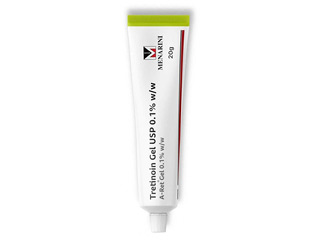
A-Ret (Tretinoin) – Patient Information (UK)
A-Ret is a brand of tretinoin, a medicine used primarily for skin conditions. This page explains what A-Ret is, how it works, how to use it safely, and what to expect. It also covers interactions, safety considerations, and frequently asked questions for people in the United Kingdom.
Quick overview
- Active ingredient: Tretinoin
- Common form: Topical (applied to the skin)
- Typical uses: Acne, and sometimes other dermatological conditions as advised by a clinician
- How it works: Helps normalise skin cell turnover and reduce blockage of pores
- Key safety points: Avoid in pregnancy, limit irritation, and protect treated skin from sun
- Time to results: Often weeks for improvement; full benefit may take several months
Basic product information
| Category | Details |
|---|---|
| Medicine name | A-Ret (tretinoin) |
| Active ingredient | Tretinoin |
| Route | Topical use on affected skin |
| Drug class | Retinoids (a type of vitamin A derivative) |
| Strengths | May vary by product presentation—check your pack for the exact strength |
Important: Different A-Ret strengths and formulations may exist. Always check the pack label and follow the instructions provided with your product.
How A-Ret works (mechanism of action)
Tretinoin is a topical retinoid. It helps treat acne and other related skin conditions mainly by:
- Normalising skin cell turnover: It encourages faster, more orderly shedding of skin cells that can otherwise block pores.
- Reducing comedones: By helping prevent clogged pores, it can reduce “whiteheads” and “blackheads”.
- Modulating inflammation: It may help reduce inflammatory processes within acne lesions.
- Supporting skin renewal: Over time, it can improve texture and surface appearance.
What to expect: Early irritation and a temporary worsening of acne can happen. This is often called “retinisation” or an initial flare, and it usually improves as treatment continues.
Pharmacokinetics (how the body handles tretinoin)
Because A-Ret is applied to the skin, only small amounts are typically absorbed through the skin surface. Key points include:
- Absorption: Generally limited after topical use; higher absorption may occur with extensive application, broken/irritated skin, or occlusion (covering the area).
- Metabolism: Any absorbed tretinoin is primarily processed by the body through normal metabolic pathways.
- Elimination: Metabolites are excreted, mainly via normal body clearance routes.
Practical meaning: While systemic exposure is usually low, it is still important to use the product correctly and avoid excessive application.
Typical uses and indications
A-Ret (tretinoin) is used for conditions where a retinoid can improve the underlying problem of blocked pores and abnormal skin cell shedding. Common indications may include:
- Acne vulgaris (including comedonal and inflammatory acne), often as part of a broader acne care plan
- Other dermatological conditions where topical tretinoin is specifically indicated (your clinician/pharmacist can advise if appropriate)
Note: Indications and recommended strengths can vary. Use only for the condition described in your product instructions or clinical advice.
When to apply (timing) and how often
Tretinoin is usually applied as a once-daily treatment, commonly in the evening, because:
- Some components of skincare (and sunlight) may increase irritation when used at other times.
- Treated skin can be more sensitive; evening application followed by gentle care may reduce irritation.
Typical routine:
- Evening: Cleanse skin gently, allow skin to dry completely, apply a thin layer, then moisturise if needed.
- Morning: Use a gentle cleanser and daily sun protection.
Consistency matters: Acne and texture improvements usually take time. Many people notice initial changes after several weeks, with clearer results after 2–3 months (sometimes longer).
Dosing and amount (how to use safely)
Dosing for topical tretinoin is usually measured by amount rather than weight-based dosing. Typical guidance includes:
- Use a pea-sized amount for the entire face (or follow your pack instructions).
- Apply a thin layer to areas to be treated, avoiding over-application.
- Start gradually if you are prone to irritation: for example, alternate nights for the first 1–2 weeks, then increase to daily as tolerated.
- Avoid eyes, lips, and corners of the nose unless specifically instructed otherwise.
- Do not apply to broken, cut, or sunburnt skin.
If you miss a dose: Apply it when you remember only if it is close to your next scheduled time. If you’re near the next dose, skip and continue with your usual schedule. Do not apply extra to make up for the missed dose.
Food interactions
Food interactions are not generally expected with topical tretinoin, because absorption through the skin is limited.
However, overall health and skin tolerance can be affected by lifestyle factors. If you have sensitivities or take medicines that affect skin (for example, other retinoids or acne treatments), discuss your full routine with a healthcare professional.
Alcohol and medicine interactions
Alcohol
There is usually no direct interaction between topical tretinoin and alcohol. However, alcohol may indirectly affect skin by:
- Increasing dryness or irritation in some individuals
- Worsening inflammation or sleep quality for some people
If you find your skin reacts after drinking alcohol, consider reducing triggers and focus on moisturising and sun protection.
Other medicines and skincare interactions (important)
A-Ret can increase skin sensitivity and irritation. Be cautious when combining with products that may also irritate the skin.
- Other topical acne products: Combining with strong exfoliants or irritating actives may cause excessive dryness and peeling.
- Topical benzoyl peroxide: Many acne regimens use benzoyl peroxide alongside tretinoin. If you combine them, use appropriate spacing to reduce irritation (your pharmacist/clinician can advise a safe schedule).
- Alpha hydroxy acids (AHAs), beta hydroxy acids (BHAs), and retinoid-like products: Increased irritation is possible. Avoid starting multiple new actives at once.
- Hair removal, waxing, and harsh treatments: Delay these around the start of treatment, as skin may be more fragile.
- Other retinoids (including systemic retinoids): Avoid combining with other strong vitamin A derivatives unless specifically directed, due to increased risk of side effects.
Medicines affecting skin: If you are taking or using medicines that cause photosensitivity (light sensitivity) or skin thinning, your dermatologist/pharmacist should consider this when recommending a regimen.
Safety profile and side effects
Like other retinoids, tretinoin can cause irritation, especially during the early weeks. Side effects often depend on dose, frequency, skin type, and how well the skin barrier is supported.
Common side effects
- Dryness
- Redness
- Peeling or flaking
- Stinging or burning
- Itching
- Increased sensitivity to sunlight
Less common but important reactions
- Severe irritation or blistering
- Swelling of treated areas
- Allergic-type reactions (rare)
Stop and seek urgent medical advice if you develop severe swelling, blistering, widespread rash, or signs of an allergic reaction (e.g., facial swelling or difficulty breathing).
Pregnancy and breastfeeding (very important)
Retinoids are associated with risk to an unborn baby. For topical tretinoin, avoid use in pregnancy, and seek advice immediately if you become pregnant while using it. If you are breastfeeding, discuss suitability with a healthcare professional.
General principle: Never use retinoids during pregnancy unless a clinician specifically advises otherwise under appropriate risk management.
Sun exposure and skin protection
Tretinoin can make skin more reactive to sunlight. Use:
- Broad-spectrum sunscreen during the day (SPF 30 or higher, if suitable)
- Protective clothing (hats, shade)
- Avoid sunbeds
Practical use tips (to get the best results with less irritation)
- Start gently: If your skin is sensitive, begin every other night for 1–2 weeks.
- Cleanse and dry first: Wash with a gentle cleanser and wait until the skin is completely dry before applying.
- Use the “less is more” approach: Applying extra does not usually speed up results and increases irritation.
- Moisturise: Apply a moisturiser after tretinoin if needed. Some people benefit from “sandwiching” (moisturiser → tretinoin → moisturiser) during the early phase—use cautiously and reduce frequency if irritation worsens.
- Avoid the trouble zones: Keep away from eyes, eyelids, mouth corners, nostrils, and any skin folds unless directed.
- Be cautious with hair and cosmetics: Avoid applying immediately after hair removal, waxing, or strong skincare procedures.
- Give it time: Acne may appear to worsen initially. Continue as advised if irritation is manageable.
What to expect during treatment (timelines)
Results typically follow a pattern:
- First 1–2 weeks: Dryness, redness, mild peeling; occasional flare of acne.
- Weeks 3–6: Improved texture and fewer clogged pores; still may have some breakouts.
- 2–3 months: Noticeable reduction in comedones and inflammatory lesions for many people.
- 3–6 months: Further refinement and maintenance of clearer skin.
If you are not seeing any improvement after an adequate trial (often several months), reassess your routine and consider alternative approaches.
Alternative options for acne/skin conditions
Depending on your skin type and condition severity, alternatives to tretinoin may include:
- Other topical retinoids: Similar medicines may be better tolerated for some people.
- Topical benzoyl peroxide: Helps kill acne bacteria and reduce inflammation.
- Topical antibiotics: Sometimes combined with benzoyl peroxide; usually used for a defined period to reduce resistance.
- Azelaic acid: Can help with acne and marks; often well tolerated.
- Salicylic acid (BHA): Useful for clogged pores and exfoliation.
- Oral treatments: For moderate-to-severe acne, clinicians may consider oral antibiotics or hormonal options.
- Non-medication approaches: Gentle cleansing, moisturising, and avoiding comedogenic products.
Your best option depends on your diagnosis, severity, skin sensitivity, and current skincare routine. A pharmacist can help you choose compatible non-medicated products and reduce irritation risks.
Market and legal context in the UK
In the UK, tretinoin-containing products are regulated medicines. Availability and classification can vary depending on formulation and strength. Topical retinoids like tretinoin have been used for many years, but distribution and access may differ between:
- Licensed medicines available through standard channels
- Online pharmacy services that follow UK requirements for supply and customer safety checks
UK medicines guidance typically emphasises:
- Appropriate indication and safe use
- Clear patient counselling on irritation control and sun protection
- Special caution for pregnancy due to retinoid safety concerns
Recent guidance and clinical practice: Dermatology and primary care commonly stress “start low, go slow,” gentle skincare, and careful combination with other acne actives to minimise irritation. People are also advised to use sun protection and allow time for treatment effects. Local NHS/dermatology advice may vary by region, but these principles are widely applied.
Delivery and availability (UK online pharmacy)
Availability depends on stock levels and the exact A-Ret presentation you select. When ordering online in the UK, you can typically expect:
- Secure packaging to protect the product in transit
- Tracking options depending on the courier service used by the pharmacy
- Delivery to UK addresses in line with the pharmacy’s service areas
If an item is temporarily out of stock, most online pharmacies will either offer alternative strengths/options or notify you of expected restock times. You can also ask whether there is an alternative retinoid product available that matches your treatment plan.
Practical “do and don’t” checklist
Do
- Apply to clean, dry skin in a thin layer
- Use sunscreen every morning
- Moisturise to support skin barrier
- Introduce tretinoin gradually if irritation occurs
- Be patient—give it time to work
Don’t
- Don’t apply to broken, inflamed, or sunburnt skin
- Don’t increase frequency to speed up results
- Don’t combine multiple strong exfoliants/actives at once
- Don’t use on areas where you plan procedures like waxing immediately
- Don’t use during pregnancy
FAQ
1) Is A-Ret the same as tretinoin?
Yes. A-Ret contains tretinoin as the active ingredient.
2) How long does it take to see results?
Many people start to notice changes in 3–6 weeks, with clearer improvements by 2–3 months. Full benefit can take longer, particularly for persistent acne and texture changes.
3) Can I use moisturiser with A-Ret?
Generally, yes. Moisturiser can reduce dryness and help your skin tolerate tretinoin. Many people find it beneficial to apply moisturiser after tretinoin, and some use the “sandwich” approach during the first weeks if irritation is significant.
4) What if my skin burns or peels a lot?
Reduce frequency (for example, every other night), use a gentle cleanser, moisturise more consistently, and avoid other irritating skincare actives. If symptoms are severe (blistering, swelling, intense rash), stop and seek medical advice promptly.
5) Can I use A-Ret during the day?
It is typically used in the evening. Daytime use may increase irritation, especially without adequate sun protection. If your skin tolerates it well, follow the directions provided with your product or clinician advice.
6) Can I use it with benzoyl peroxide or other acne treatments?
Often, tretinoin is used in acne regimens that may include other actives. However, irritation risk can increase when combining products. If you plan to combine treatments, consider staggered application and introduce products one at a time when possible.
7) Does A-Ret affect skin sensitivity to the sun?
Yes. Treated skin can be more sensitive to UV light. Use sunscreen daily and avoid deliberate sun exposure and sunbeds.
8) Is there an alcohol interaction?
No direct interaction is expected, but alcohol may indirectly worsen dryness or inflammation in some people.
9) Can I use it if I’m pregnant or trying to conceive?
Retinoids are associated with risks to an unborn baby. Do not use tretinoin during pregnancy. If you are trying to conceive, seek advice to choose a safer acne/skin alternative.
10) What are good gentle skincare habits while using A-Ret?
- Use a gentle, fragrance-free cleanser
- Moisturise regularly (especially after cleansing)
- Use non-comedogenic products
- Prefer mild exfoliation only if advised and introduced gradually
- Wear sunscreen daily
Summary
A-Ret (tretinoin) is a topical retinoid widely used to improve acne by normalising skin cell turnover and reducing pore blockage. Treatment requires consistent use and careful skin protection, particularly avoiding excessive irritation and using daily sun protection. While common side effects include dryness and peeling, many people can manage symptoms with gentle skincare and gradual introduction. If you are unsure about compatibility with other products or have questions about safety in your specific situation, speak with a pharmacist or healthcare professional.