
Cyklokapron (Tranexamic acid) – Patient Guide (UK)
Cyklokapron contains tranexamic acid, a medicine used to help reduce excessive bleeding by supporting the body’s natural clot-stabilising process. This guide explains how Cyklokapron works, how it is used, what to expect, and key safety information. It is written for patients in the United Kingdom.
| Product name | Cyklokapron |
|---|---|
| Active ingredient | Tranexamic acid |
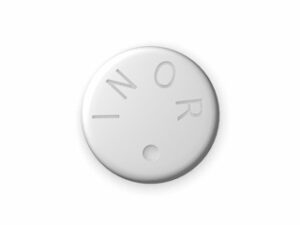
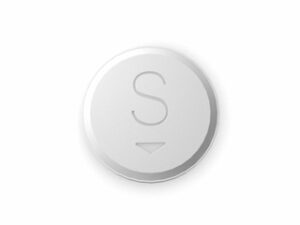
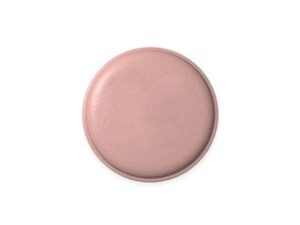
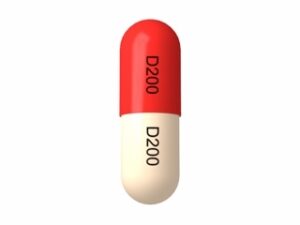
| Medicinal form | Oral tablets (strengths vary by product presentation) |
| How it helps | Helps stabilise clots and reduces bleeding |
| Common uses | Heavy menstrual bleeding and other bleeding conditions, as advised by clinicians |
| Typical timing | Often taken for a limited number of days during the bleeding episode (exact schedule depends on indication) |
What is Cyklokapron?
Cyklokapron (tranexamic acid) is an antifibrinolytic medicine. “Antifibrinolytic” means it helps slow down the breakdown of blood clots. When bleeding occurs, the body forms a clot. Enzymes can then break that clot down too quickly, leading to ongoing bleeding. Tranexamic acid helps prevent that breakdown, allowing clots to remain stable.
Cyklokapron is used in several bleeding-related situations. The most well-known use for many people in the UK is heavy menstrual bleeding (HMB). Other uses may include management of bleeding in specific medical contexts, depending on individual assessment.
How Cyklokapron works (mechanism of action)
Tranexamic acid works by blocking the action of plasminogen (a key protein involved in clot breakdown). Normally, plasminogen is converted to plasmin, which breaks down fibrin (the framework of a blood clot). Tranexamic acid binds to plasminogen and helps stop this process.
- Reduces excessive bleeding by stabilising formed clots.
- Does not “create” clots on its own; it supports clot stability.
- Targeted action at the fibrinolysis stage (clot breakdown), rather than directly affecting clotting factors.
Pharmacokinetics (how the body handles it)
Pharmacokinetics describes what happens to the medicine after you take it—how it is absorbed, distributed, metabolised, and eliminated.
- Absorption: Tranexamic acid is absorbed after oral administration, with concentrations rising in the blood after dosing.
- Distribution: It distributes into body fluids; it can be present at sites where fibrinolysis contributes to bleeding.
- Metabolism: It is not extensively metabolised in the body.
- Elimination: It is primarily cleared by the kidneys. This means kidney function can affect how long it stays in the body.
Important: Because clearance depends largely on the kidneys, people with impaired renal function may need dose adjustments or additional monitoring.
Typical use in the UK
Cyklokapron is used to reduce problematic bleeding. In the UK, one of the most common reasons people take tranexamic acid is:
- Heavy menstrual bleeding (HMB): To reduce the volume of menstrual blood loss during periods.
Depending on clinical circumstances, tranexamic acid may also be used for other bleeding conditions. The right approach depends on the cause of bleeding and your overall risk factors.
When to take Cyklokapron (timing)
Timing depends on the reason for treatment. For heavy menstrual bleeding, tranexamic acid is commonly taken only during the days of heavy bleeding rather than continuously throughout the month.
- Start: Often started at the beginning of your menstrual bleeding or at the point when bleeding becomes heavy (follow your specific regimen if provided).
- Finish: Typically taken for the duration of heavy flow (often a limited number of days per cycle).
- Consistency: Try to space doses evenly across the day.
If you are unsure about timing for your situation, check the patient information leaflet supplied with your product or consult a relevant healthcare professional for advice.
How to take Cyklokapron (practical dosing guidance)
Follow the dosing schedule provided with your Cyklokapron. Do not exceed the recommended dose.
General practical tips:
- Take doses with water.
- Use a daily reminder (phone alarm, blister pack schedule) to help you stay on track.
- If a dose is missed, take it as soon as you remember unless it is close to the next scheduled dose—then continue as planned. Do not double doses.
- If you vomit soon after taking a dose, ask your pharmacist for advice about whether to take another dose.
Indications – when Cyklokapron may be used
Indications are the medical situations where a medicine is used. In the UK, tranexamic acid is widely used for heavy menstrual bleeding. It may also be used for other bleeding problems under clinical guidance.
- Heavy menstrual bleeding (HMB): Commonly used to reduce menstrual blood loss.
- Other bleeding states: May be considered in specific conditions where fibrinolysis contributes to ongoing bleeding.
Note: The suitability of tranexamic acid depends on your history (for example, prior clotting events), current symptoms, and potential underlying causes of bleeding.
Dosing (typical adult regimens)
Dosing depends on the condition being treated, age, kidney function, and other medical factors. Below are commonly used adult regimens for heavy menstrual bleeding and general oral use; however, always use the schedule provided with your specific product and tailored advice if relevant.
| Indication | Typical adult oral dosing (example regimens) | Timing | Duration |
|---|---|---|---|
| Heavy menstrual bleeding | Often taken in divided doses per day (commonly 2–3 times daily depending on strength and regimen) | During the days of heavy bleeding | Usually limited to the bleeding days in each cycle |
| Other bleeding conditions | Dose varies by indication and clinical plan | Based on severity and bleeding pattern | As advised |
Kidney impairment: Because tranexamic acid is cleared by the kidneys, people with reduced kidney function may require lower doses and/or a modified dosing frequency. If you have kidney disease, discuss this with a healthcare professional before using Cyklokapron.
Age: Doses may differ for older adults and for children/teenagers. Use only age-appropriate dosing advice.
Food interactions
Tranexamic acid can generally be taken with or without food. Food may influence how quickly the medicine is absorbed, but it is not usually expected to significantly reduce effectiveness.
- If taking with food upsets your stomach, try taking it with a light snack instead.
- If you experience nausea, taking with food may help.
Alcohol interactions
Moderate alcohol intake is not always strictly contraindicated with tranexamic acid, but alcohol can:
- Increase the risk of dizziness or nausea.
- Worsen dehydration, which may affect comfort and overall wellbeing.
- Potentially complicate bleeding symptoms in certain conditions (for example, if bleeding causes weakness or if there is an underlying liver condition).
Practical advice: If you drink alcohol, keep to moderate amounts and monitor how you feel. Avoid heavy drinking, especially if you have a history of clotting disorders or if you are taking other medicines that affect clotting.
Medicine interactions
Drug interactions depend on what you take alongside Cyklokapron. Some medicines can increase clotting risks, influence bleeding, or affect how tranexamic acid is cleared. Always tell a healthcare professional or pharmacist about all medicines you use, including over-the-counter medicines and supplements.
Key interaction considerations include:
- Hormonal therapies for contraception or menstrual control: Some hormonal treatments can increase the risk of clotting. Combining treatments that affect clotting pathways may require careful assessment.
- Anticoagulants (“blood thinners”): The relationship between tranexamic acid and anticoagulants can be complex. Do not combine without professional guidance.
- Other medicines affecting clotting/fibrinolysis: Medicines that also influence clot breakdown or clotting may increase the chance of side effects.
- Renal-excreted medicines: Because tranexamic acid is cleared via the kidneys, medicines that affect kidney function may alter its exposure.
Important: If you are unsure whether any of your medicines interact with tranexamic acid, ask your pharmacist. This is especially important if you take treatments for clotting, cancer, or hormone-related therapies.
Safety profile and who should take extra care
Like all medicines, Cyklokapron can cause side effects. Most people tolerate tranexamic acid well when used appropriately, but it is important to know what to watch for.
Common side effects
- Nausea
- Diarrhoea or mild stomach upset
- Stomach cramps
- Dizziness (uncommon but possible)
Serious side effects – seek urgent medical help
Tranexamic acid is an antifibrinolytic. In people with certain risk factors, it may increase the risk of clot formation. Seek urgent medical help if you develop symptoms of possible thrombosis, such as:
- Sudden breathlessness, chest pain, coughing blood
- One-sided leg swelling, pain, warmth, or redness
- Sudden neurological symptoms such as weakness on one side, trouble speaking, severe sudden headache, or vision changes
Vision problems: Rarely, antifibrinolytics have been associated with visual disturbances, particularly with prolonged high exposure. If you notice changes in vision (such as reduced colour vision, blurred vision, or other persistent visual symptoms), seek prompt advice.
Contraindications and situations requiring caution
Cyklokapron may not be suitable for everyone. Extra caution is needed if you have:
- Active clotting events (for example, a current deep vein thrombosis or pulmonary embolism) or a history of such events
- Known risk factors for thrombosis (your clinician should assess your overall risk)
- Blood in the urine from urinary tract bleeding or known urinary tract obstruction (this can require careful evaluation)
- Kidney problems (may require dose adjustment)
- Previous seizures or conditions that lower seizure threshold (medical advice is important)
Always consult a clinician promptly if bleeding is unusual, very heavy, or associated with symptoms like fainting, severe pain, or signs of anaemia (extreme tiredness, dizziness, paleness, shortness of breath on exertion).
Safety during treatment: practical use tips
- Track bleeding: If you’re taking it for heavy menstrual bleeding, note your flow level and number of days of heavy bleeding so you can discuss effectiveness at follow-up.
- Consider iron intake: Heavy bleeding can lead to low iron. If you have symptoms of anaemia, ask a pharmacist or GP about checking iron levels and whether iron supplements are suitable.
- Stay hydrated: Helps general wellbeing and may reduce side effects like dizziness.
- Be alert to clot symptoms: Stop and seek urgent help if you develop warning signs as listed above.
- Don’t extend beyond recommended duration: Use for the intended course unless advised otherwise.
Alternative options (if Cyklokapron isn’t suitable)
Depending on the reason for treatment, there are several alternatives for reducing excessive bleeding. Options may include:
For heavy menstrual bleeding (HMB)
- Hormonal options (e.g., certain progestogens or combined hormonal methods, depending on suitability and clot risk assessment)
- Intrauterine system (IUS) releasing progestogen (a long-acting option used by some patients)
- Non-hormonal approaches (for example, other strategies tailored to your situation)
- Treating underlying causes: HMB may be due to fibroids, polyps, thyroid disorders, bleeding disorders, or other medical conditions; addressing the cause can be essential
For other bleeding conditions
- Management may differ substantially; alternatives could include other haemostatic medicines or supportive treatment depending on the cause of bleeding.
Best approach: If Cyklokapron isn’t appropriate or doesn’t control symptoms, discuss other options with a healthcare professional—especially if bleeding is new, worsening, or persistent.
UK market and legal context (overview)
In the UK, availability and prescribing arrangements for medicines can vary based on product type, strength, and clinical pathway. Tranexamic acid has established clinical use in the NHS and is widely used for heavy menstrual bleeding and other bleeding-related conditions when appropriate.
Regulatory and safety considerations:
- Medicines are supplied under UK regulatory frameworks and must follow labelling, patient information leaflet guidance, and safety warnings.
- Because tranexamic acid can affect clot-related pathways, risk screening and correct indication are important to support safe use.
- Local guidance may differ depending on whether treatment is self-care, community pharmacy support, or part of NHS care pathways.
Recent guidance: Clinical recommendations for heavy menstrual bleeding in the UK emphasise the importance of evaluating causes, assessing bleeding severity, considering patient preferences, and using effective treatments such as tranexamic acid where suitable. Follow-up and review are typically advised when symptoms persist or impact quality of life.
Delivery and availability in the United Kingdom
Cyklokapron is available through UK pharmacies and pharmacy supply networks, with online retailers typically offering delivery to UK addresses subject to availability and applicable regulations. Delivery times vary depending on the supplier and your location.
What to expect when ordering online:
- Stock availability: Some strengths or pack sizes may sell out at times.
- Packaging: Medicines are generally dispatched in protective packaging to keep them safe in transit.
- Tracking: Many online pharmacies provide delivery updates or tracking details.
- Cold chain: Tranexamic acid tablets are not usually temperature-sensitive, but always check the product label for specific storage instructions.
Storage: Store at room temperature, away from moisture and heat, and keep out of reach of children. Follow the storage instructions on the outer packaging or leaflet.
When to seek medical advice
Seek medical advice promptly if:
- Bleeding is very heavy or causes dizziness, fainting, or severe tiredness
- Symptoms of anaemia occur (unusual fatigue, breathlessness on exertion, paleness)
- You experience unusual bleeding between periods or after sex
- You develop symptoms suggestive of clotting (as described above)
- You have kidney disease, a history of seizures, or persistent visual symptoms
If you think you may be pregnant or if bleeding changes during pregnancy, seek urgent medical advice rather than relying on self-treatment.
FAQ – Cyklokapron (Tranexamic acid)
1) What is Cyklokapron used for?
Cyklokapron (tranexamic acid) is used to help reduce excessive bleeding. In the UK, it is commonly used for heavy menstrual bleeding. It may be used for other bleeding-related conditions depending on clinical assessment.
2) How quickly does tranexamic acid work?
Tranexamic acid begins working after absorption. For menstrual bleeding, many people notice reduced flow within the days following the start of treatment, but response varies. If there is no improvement, seek advice about whether the dose/timing is appropriate and whether an underlying cause needs investigation.
3) Can I take it with food?
Yes. It can generally be taken with or without food. If you experience stomach upset, taking it with a light meal may improve tolerance.
4) Can I drink alcohol while taking Cyklokapron?
Moderate alcohol may not be strictly prohibited, but alcohol can worsen nausea, dizziness, and dehydration. Avoid heavy drinking and seek advice if you feel unwell or if you have additional risk factors.
5) What should I do if I miss a dose?
If you miss a dose, take it when you remember unless it is close to the next scheduled dose. Do not double doses.
6) Are there any medicines I must not combine with tranexamic acid?
Certain medicines can interact or increase clotting risk. Examples include hormonal therapies or blood-thinning medicines, depending on your individual situation. Always check with a pharmacist if you’re taking other medicines, including over-the-counter products and supplements.
7) Who should be extra careful when taking Cyklokapron?
People with a history of blood clots, known clotting risk factors, kidney problems, a seizure history, or visual symptoms should use extra caution and get tailored advice.
8) What side effects are common?
Common side effects include nausea, diarrhoea, and mild stomach upset. If side effects are severe or persistent, speak to a pharmacist or clinician.
9) What side effects mean I should stop and get urgent help?
Seek urgent medical attention for symptoms suggestive of a clot (such as one-sided leg swelling, chest pain, breathlessness, or sudden neurological symptoms) or for persistent vision changes.
10) Is tranexamic acid the same as an anti-inflammatory?
No. Tranexamic acid is an antifibrinolytic medicine. It works by helping prevent clot breakdown, rather than reducing inflammation like anti-inflammatory drugs.
Summary
Cyklokapron (tranexamic acid) helps reduce excessive bleeding by stabilising clots and slowing clot breakdown. It is most commonly used for heavy menstrual bleeding in the UK, often taken during heavy bleeding days. While many people tolerate it well, it is important to consider personal risk factors—particularly clotting risk and kidney function—follow the recommended dosing schedule, and seek urgent advice if serious symptoms occur.
If you would like, tell me the specific Cyklokapron tablet strength and your reason for use (e.g., heavy menstrual bleeding), and I can help you understand a typical schedule and what to monitor—always within the information provided on the product leaflet.