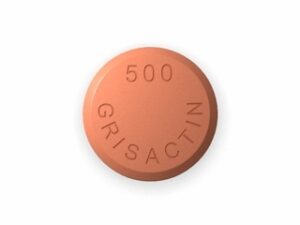
Nizoral (Ketoconazole) – Patient-Friendly Guide (UK)
Nizoral is the brand name for ketoconazole, an antifungal medicine used to treat fungal infections of the skin and, in some cases, deeper infections caused by susceptible fungi. This page explains how Nizoral works, how it is typically used, key safety information, and practical tips to help you use it effectively. Always follow the instructions given by your healthcare professional and read the patient information leaflet supplied with your medicine.
Basic product information
Active ingredient: Ketoconazole
Brand: Nizoral
Medicinal type: Antifungal (anti-yeast/anti-fungal)
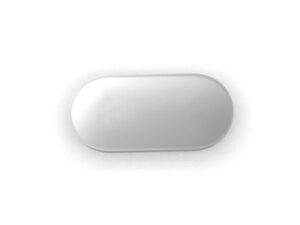
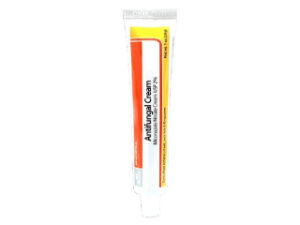
Typical forms (availability may vary in the UK): Tablets (where available) and/or topical products such as creams/shampoos depending on brand and supply.
In the UK, availability and indication can depend on the specific product format (for example, shampoo vs. tablets) and current regulatory advice. If you are unsure which version you have, check the pack label for the formulation and strength.
How Nizoral works (mechanism of action)
Ketoconazole works by disrupting the way fungi make essential components of their cell membranes. It inhibits ergosterol synthesis—a key substance fungal cells need to function and grow. Without ergosterol, fungal cells become damaged and growth is slowed or stopped. Over time, this helps the body clear the infection.
Different fungi vary in susceptibility, which is why it is usually important that Nizoral is used for the right type of fungal condition.
Pharmacokinetics (how the body handles ketoconazole)
“Pharmacokinetics” describes how a medicine is absorbed, distributed, metabolised, and eliminated. Exact values can vary depending on the formulation (topical vs oral) and the individual.
- Oral/Tablet form: Ketoconazole is absorbed through the digestive tract, and absorption can be affected by stomach acidity. Lower stomach acid can reduce absorption.
- Topical form: Ketoconazole acts mainly on the skin surface. Absorption through the skin is generally low, though absorption may be higher if applied to large areas, under occlusion, or on broken/irritated skin.
- Metabolism: Ketoconazole is metabolised by the liver.
- Elimination: Metabolites are eliminated mainly via the liver/bile and, to a lesser extent, the kidneys.
If you have liver problems, you should take extra care and follow medical advice, because ketoconazole tablets have important liver-related safety considerations.
Typical use in the UK (what Nizoral is commonly used for)
Nizoral is used for fungal conditions, most commonly involving the skin and scalp. The precise use depends on the product format. Below are common indications associated with ketoconazole products.
Common indications
- Tinea (ringworm) and other dermatophyte infections (depending on product form and local guidance).
- Yeast infections affecting skin areas such as the groin or body folds (intertrigo), depending on severity.
- Seborrhoeic dermatitis (e.g., dandruff and flaky, greasy scalp skin), especially with ketoconazole shampoo.
- Pityriasis versicolor (tinea versicolor), where skin discolouration is caused by yeast.
- Fungal infections of the skin and scalp where ketoconazole is appropriate.
In some countries, ketoconazole tablets have been reserved due to safety concerns. UK practice may differ by formulation and regulatory updates. For the safest approach, use the product for its approved indications and follow the leaflet instructions.
Timing: when and how to use Nizoral
Timing depends on whether you are using a topical product (cream/shampoo) or an oral product (tablets). Always follow the dosing schedule on your pack.
Topical timing (typical approach)
- Shampoo for scalp conditions: Usually applied to the scalp, left on for a short period as directed (commonly around 3–5 minutes for many antifungal shampoos), then rinsed.
- Cream/skin application: Usually applied once or twice daily to clean, dry affected skin and surrounding areas.
- Continue after improvement: Many fungal infections take time to clear. Continuing as advised reduces relapse risk.
Oral timing (if your product is tablets)
Oral dosing schedules vary by condition and product strength. Follow your pack instructions or clinician directions. If the tablets are authorised for your indication, they are typically taken with careful attention to how food affects absorption (see below).
Food interactions (especially relevant for tablets)
Food and stomach acid can significantly affect ketoconazole absorption for oral use. Ketoconazole requires adequate stomach acidity for best absorption. Therefore, certain foods and drinks may interfere, particularly those that reduce stomach acid.
Key food-related points
- Take care with medicines that reduce stomach acid (see “Medicine interactions” section). While this is not “food” per se, it is commonly encountered alongside diet changes.
- Follow the instructions on your pack regarding whether tablets should be taken with meals. Some regimens require taking with food to enhance absorption.
- Avoid altering your routine (e.g., fasting, major diet changes around dosing) without checking advice for your exact product.
Alcohol and medicine interactions
Ketoconazole can interact with other medicines, and alcohol may affect overall safety—particularly concerning the liver. If you have liver disease, heavy alcohol intake, or you’re taking other medications, you should seek tailored advice.
Alcohol
- General caution: If using oral ketoconazole, keep alcohol intake low and avoid binge drinking. This is especially important because ketoconazole can carry a risk of liver injury.
- Monitor for symptoms: If you notice unusual fatigue, dark urine, yellowing of the eyes/skin, or severe nausea, seek urgent medical advice.
Medicine interactions (important)
Ketoconazole may interact with medicines that share metabolic pathways (notably those influenced by liver enzymes), and with medicines that change stomach acidity. Interactions can change ketoconazole levels or the levels/effects of other medicines.
Examples of medicine categories to discuss with a pharmacist/doctor
- Medicines that reduce stomach acid such as proton pump inhibitors (PPIs) and some antacids—these can reduce absorption of oral ketoconazole.
- Medicines that affect liver enzyme activity (some antibiotics/antivirals/antifungals/antiepileptics, depending on the specific drug).
- Some heart rhythm medicines and other drugs associated with QT interval effects—combination therapy may require careful review.
- Warfarin and other anticoagulants—interaction risk may alter bleeding/clotting control.
- Immunosuppressants in some circumstances—levels may increase or decrease.
If you have a medication list, bring it to a pharmacy consultation. Even “over-the-counter” medicines (including herbal supplements) can interact.
Dosing: how much to take or apply
The correct dose depends on the formulation and the condition being treated. Below is a patient-friendly overview of typical dosing patterns; always follow your own pack instructions.
Topical dosing (general patterns)
- Cream: often applied to the affected area once or twice daily.
- Scalp shampoo: commonly used a few times per week during the initial phase, then less frequently for maintenance as advised.
Oral dosing (general patterns; varies by licence/condition)
Oral ketoconazole dosing schedules differ by indication, age, and severity. Some regimens may require multiple daily doses, and may require particular timing with meals for absorption. Because oral ketoconazole use has safety considerations, it is especially important to use the dosing information supplied with your specific product.
Example of how dosing schedules may look
The table below illustrates typical patterns seen with ketoconazole-containing products. Your exact schedule may be different.
| Formulation | Typical use timing | Common course pattern | Notes |
|---|---|---|---|
| Ketoconazole shampoo | Usually several times per week | Short initial course, then maintenance if needed | Leave on scalp for the time stated on the pack before rinsing. |
| Ketoconazole cream | Once or twice daily | Continue for the full course even if symptoms improve | Apply to affected area and a small surrounding margin. |
| Ketoconazole tablets (where available/appropriate) | Timing may depend on food/absorption instructions | Course length varies by condition | Important: follow the leaflet carefully regarding meals and liver safety. |
Safety profile: who should be cautious
Ketoconazole is generally well tolerated when used topically, but safety depends on formulation and your personal medical history. The most serious risk concerns are generally associated with oral ketoconazole.
Common side effects (often mild)
- Topical products: skin irritation, redness, itching, or mild burning where applied.
- Scalp shampoo: dryness or irritation of scalp; occasionally hair texture changes.
- Oral products (if used): nausea, stomach discomfort, headache, dizziness (varies by individual).
Serious side effects (seek urgent advice)
If you are using oral ketoconazole (tablets), seek prompt medical attention if you develop signs of liver problems or severe allergic reactions.
- Liver injury symptoms: yellowing of the eyes/skin (jaundice), dark urine, severe tiredness, abdominal pain (especially upper right), persistent nausea/vomiting.
- Allergic reactions: swelling of face/lips, rash with breathing difficulty, severe dizziness/fainting.
- Severe skin reactions: blistering rash or peeling skin.
Important risk groups
- People with known liver disease or a history of abnormal liver tests should avoid oral ketoconazole unless specifically advised.
- Those taking interacting medicines should get medication interaction checks before use, particularly for oral treatment.
- Pregnancy and breastfeeding: discuss with a healthcare professional before use. Topical use may be considered in certain circumstances, but it depends on the condition, area, and duration.
- Children: suitability and dosing depend on age and product type—check the leaflet and seek advice if unsure.
Practical use tips (to improve results)
For skin infections (cream/ointment)
- Clean and dry first: Wash gently with mild soap, pat dry, then apply a thin layer to affected skin.
- Cover the area: Apply to the visible rash and a small surrounding margin to catch fungal spread.
- Wash hands after use: This reduces spread to other body areas and prevents reinfection.
- Keep the area dry: Moisture can worsen fungal growth, especially in skin folds.
- Avoid sharing towels: Use separate towels and wash bedding regularly during treatment.
For scalp conditions (shampoo)
- Use enough product: Ensure the shampoo reaches the scalp thoroughly, not just the hair.
- Leave on as directed: This is important for effectiveness.
- Rinse well: After leaving on, rinse thoroughly.
- Maintenance helps: Seborrhoeic dermatitis often improves and then returns; maintenance frequency may help prevent flare-ups.
How long before you see improvement?
Many people notice improvement within the first 1–2 weeks, but complete resolution may take longer. If symptoms worsen, spread, or do not improve after the expected time, seek professional advice.
What to do if you miss a dose
- Topical products: Apply when you remember, unless it’s nearly time for the next dose. Do not double up.
- Oral tablets: Follow the patient leaflet instructions for missed doses and do not take extra doses to compensate.
Alternatives to Nizoral (ketoconazole)
Depending on the fungal infection and your medical history, other antifungals may be used. Availability varies by UK formulary and product licences. Alternatives include:
- Other azoles: such as clotrimazole, miconazole, econazole (commonly for skin).
- Allylamines: such as terbinafine (often for dermatophyte infections).
- Other antifungal shampoos: such as selenium sulfide or zinc pyrithione (used for dandruff/seborrhoeic dermatitis).
- Oral antifungals (if appropriate): such as itraconazole, fluconazole, or terbinafine for certain infections—chosen based on site, severity, and likely organism.
Your best option depends on the type of fungus, site of infection, previous treatments, and interaction risk with other medicines. A pharmacist can help compare options for your specific condition.
Market and legal context in the UK (overview)
Medicines containing ketoconazole are regulated in the UK under the Medicines and Healthcare products Regulatory Agency (MHRA). Product availability, authorised indications, and safety communications can change over time as more evidence emerges.
- Formulation matters: Topical ketoconazole products are generally associated with a different benefit-risk profile compared with oral tablets.
- Safety updates: MHRA and professional guidance may update recommendations, particularly concerning liver safety and interactions for oral ketoconazole.
- Pharmacist support: UK pharmacies may advise based on current product guidance and your medication history.
Recent guidance and safety considerations (UK-focused)
Over recent years, regulatory and clinical guidance internationally has highlighted the need for caution with oral ketoconazole, particularly due to potential liver toxicity and important drug–drug interactions. In the UK, this means oral use is typically limited to scenarios where benefits outweigh risks, and where careful monitoring and interaction review are feasible.
If you are considering ketoconazole tablets, it is especially important to:
- Ensure your condition is one where ketoconazole is appropriate.
- Review your full medication list for interactions.
- Be alert to liver-related symptoms and report them promptly.
- Follow instructions about food and dosing exactly.
Delivery and availability (online pharmacy information)
Availability of Nizoral (ketoconazole) in the UK can vary by formulation (for example, shampoo vs cream vs tablets) and by current supply. When purchasing online, you should confirm:
- Strength and form: Check the label for the exact product (cream/shampoo/tablets) and strength.
- Pack size and instructions: The leaflet included with the pack is your definitive source for dosing and precautions.
- Delivery options: Many UK online pharmacies offer standard and express delivery, depending on location and stock.
If a specific product is temporarily out of stock, a reputable online pharmacy may offer alternatives or restock updates. You can also ask customer support for the closest matching ketoconazole formulation.
Frequently asked questions (FAQ)
Is Nizoral the same as ketoconazole?
Yes. Nizoral is a brand name that contains ketoconazole, the active antifungal ingredient. Different Nizoral products may contain ketoconazole in different forms (e.g., topical vs oral).
What conditions does ketoconazole help with?
Ketoconazole helps with fungal-related problems such as seborrhoeic dermatitis (dandruff), tinea/ringworm, pityriasis versicolor, and certain yeast infections. The exact indication depends on the specific product and how it’s formulated.
How quickly will I feel better?
Many people notice reduced itching, scaling, or redness within 1–2 weeks. Complete clearance may take longer, so continue treatment for the full course described in the leaflet—even if symptoms improve early.
Can I use Nizoral if I have sensitive skin?
Ketoconazole topical products are often suitable, but irritation can occur. If you notice burning or worsening redness, stop and seek advice from a pharmacist or healthcare professional. Patch testing may be recommended for some individuals.
Does ketoconazole interact with other medicines?
Yes. Ketoconazole can interact with medicines that affect liver enzymes or stomach acid. This is particularly important for oral ketoconazole. Provide your medication list to a pharmacist to check interactions.
Can I drink alcohol while using Nizoral?
If you are using oral ketoconazole, it’s safest to avoid or minimise alcohol, because of potential liver-related risks. If you are using a topical product, alcohol is less likely to be a direct issue, but general caution is still sensible, especially if you have liver problems or take interacting medicines.
What if I miss a dose?
Apply or take it when you remember unless it’s close to the next dose. Don’t double up. For oral tablets, refer to the leaflet for missed-dose instructions specific to your product.
When should I stop and get medical advice?
Seek urgent advice if you develop symptoms of a severe allergic reaction (e.g., swelling of face/lips, breathing difficulty) or possible liver problems (e.g., jaundice, dark urine, severe unusual tiredness). Also seek advice if your infection worsens or does not improve as expected.
Are there alternatives if ketoconazole doesn’t suit me?
Yes. Alternatives may include other azole antifungals (like clotrimazole) or allylamines (like terbinafine) for certain fungal infections. For dandruff/seborrhoeic dermatitis, other antifungal shampoos may be appropriate. Your best choice depends on your diagnosis and product type.
Important final reminder
Fungal infections often improve when treated correctly, but they can return if the underlying triggers and hygiene measures aren’t addressed. Always follow the instructions in the patient leaflet, and consult a pharmacist or healthcare professional if you have doubts—especially if you take other medicines, have liver disease, are pregnant/breastfeeding, or are treating a child.