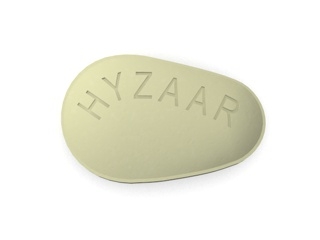

Hyzaar (Losartan / Hydrochlorothiazide) Tablets
Hyzaar is a combination medicine used to treat high blood pressure (hypertension). It contains two active ingredients: losartan (an angiotensin II receptor blocker, ARB) and hydrochlorothiazide (a thiazide-like diuretic).
This page explains how Hyzaar works, how it’s taken, key safety considerations, common interactions, and practical tips. It is written for patients in the United Kingdom to help you understand the medicine you’re using.
Quick overview
| Feature | Information |
|---|---|
| Medicine | Hyzaar (Losartan / Hydrochlorothiazide) |
| What it’s for | Treatment of hypertension (high blood pressure) |
| How it works | ARB lowers blood vessel tightening; diuretic helps reduce fluid volume and salt |
| Typical dosing | Usually once daily; strength depends on your prescription and response |
| Food | Can be taken with or without food |
| Common checks | Blood pressure, kidney function, potassium and sodium levels, and other electrolytes |
| Important cautions | Pregnancy, dehydration, kidney disease, history of electrolyte imbalance |
Basic product information
- Brand name: Hyzaar
- Active ingredients: Losartan + Hydrochlorothiazide
- Drug class: ARB + thiazide diuretic combination
- Form: Oral tablets
- Strengths: Available in different combinations (the exact strength you use will be shown on the pack)
Hyzaar is designed for people whose blood pressure is not adequately controlled with one medicine alone, or where a combination offers a better overall approach.
How Hyzaar works (mechanism of action)
Hyzaar combines two medicines that lower blood pressure in complementary ways:
1) Losartan (ARB component)
Losartan blocks angiotensin II receptors (AT1 receptors). Angiotensin II normally causes blood vessels to tighten (narrow), which increases blood pressure. By blocking this pathway, losartan helps blood vessels relax and lowers blood pressure.
2) Hydrochlorothiazide (diuretic component)
Hydrochlorothiazide helps the kidneys remove salt and water from the body. This reduces fluid volume, which contributes to lower blood pressure. Over time, diuretics also help reduce vascular resistance.
Together, they can provide a stronger blood-pressure-lowering effect than either component alone.
Pharmacokinetics (how the body handles the medicine)
Understanding pharmacokinetics can help explain why Hyzaar is usually taken once daily and how long effects may last. Individual responses vary.
Losartan
- Absorption: Absorbed after oral dosing.
- Metabolism: Converted in the liver to an active metabolite.
- Distribution: Circulates in the bloodstream, with effects influenced by protein binding.
- Elimination: Excreted mainly via bile and urine pathways.
Hydrochlorothiazide
- Absorption: Absorbed after oral dosing.
- Onset: Diuretic effect may begin within hours.
- Distribution: Distributes into body tissues and fluids.
- Elimination: Excreted largely unchanged by the kidneys.
In people with reduced kidney or liver function, blood levels and effects can differ. Your clinician may adjust the dose and monitoring frequency accordingly.
Typical use in the UK
Hyzaar is mainly used for treatment of hypertension in adults. It may be prescribed when:
- Blood pressure is not controlled with lifestyle changes alone, and
- One component (losartan or hydrochlorothiazide) is insufficient, or a combination is judged more appropriate.
Hypertension treatment aims to reduce the risk of complications such as stroke, heart failure, kidney disease, and cardiovascular events.
Timing: when to take Hyzaar
Hyzaar is typically taken . The best time depends on how you respond—especially the diuretic component, which can increase urination.
- Most people: Take it at the same time each day to maintain steady blood levels.
- If urination becomes bothersome: Many people find it helpful to take it in the morning. Avoid taking it late in the evening unless your clinician advises otherwise.
- If you forget a dose: Take it as soon as you remember on the same day. If it’s close to the next dose, skip the missed dose and continue normally. Do not double up.
Food interactions
Food does not usually require special timing. Hyzaar can generally be taken with or without food.
However, maintaining consistent eating and drinking habits can help reduce side effects such as dizziness (for example, if you become dehydrated).
Salt intake
While not a direct “interaction,” high salt intake can make blood-pressure control harder. Your care team may recommend reducing dietary salt where appropriate.
Alcohol and medicine interactions
Alcohol can increase the risk of side effects from Hyzaar—particularly dizziness, light-headedness, and sometimes fainting, because both alcohol and blood pressure medicines can lower blood pressure.
- Practical tip: If you drink alcohol, start cautiously and monitor how you feel.
- Avoid dehydration: Alcohol can contribute to dehydration, which may affect kidney function and worsen electrolyte imbalance.
If you are unsure about alcohol with your specific health situation (for example, kidney disease, low blood pressure, or taking other medicines), speak to a healthcare professional.
Other medicine interactions (important)
Hyzaar interacts with several types of medicines. Some interactions can be serious, especially those affecting kidney function, potassium levels, and fluid balance.
Medicines that can raise potassium
Losartan may increase potassium. Combining with other potassium-raising agents can lead to high potassium (hyperkalaemia).
- Potassium supplements
- Salt substitutes containing potassium
- Some medicines for heart failure or kidney conditions (depending on the drug)
- Other RAAS-blocking medicines (discuss with your clinician)
Diabetes and blood sugar medicines
Hydrochlorothiazide can sometimes affect blood sugar. If you have diabetes, you may need additional monitoring.
Non-steroidal anti-inflammatory drugs (NSAIDs)
Frequent or high-dose NSAID use (such as ibuprofen, diclofenac, naproxen) can reduce kidney function and may blunt the blood-pressure-lowering effect of some medicines. Risk may increase when combined with diuretics and ARBs.
- If you need pain relief regularly, ask a pharmacist what’s safest for you.
Lithium
Lithium levels can increase when taken with certain blood pressure medicines. This combination typically requires close monitoring if used.
Other blood pressure medicines and nitrates
Combining Hyzaar with other drugs that lower blood pressure can increase the chance of dizziness or low blood pressure, particularly at the start of treatment.
Medicines that affect electrolytes
Because hydrochlorothiazide can change electrolyte levels (notably potassium, sodium, magnesium, calcium), interactions may occur with medicines that also affect electrolytes, for example:
- Some corticosteroids
- Some laxatives when overused
- Medicines that affect heart rhythm (QT-prolonging medicines) where electrolyte disturbances matter
Herbal and lifestyle supplements
Some supplements may influence blood pressure or kidney function. If you use herbal products (such as licorice), check with a pharmacist.
Always tell your pharmacist or prescriber about all medicines you take, including over-the-counter products and supplements.
Indications (why Hyzaar is used)
Hyzaar is indicated for:
- Hypertension (high blood pressure) in adults who require combination therapy.
Your clinician may choose Hyzaar based on your blood pressure readings, past treatment response, kidney function, and electrolyte levels.
Dosing: how much and how often
Dose depends on your individual situation, including your baseline blood pressure, response to treatment, kidney function, and any side effects.
Hyzaar is commonly taken once daily. Typical starting doses and maximum doses vary by product strength. Follow the instructions on your medicine label and the advice given by your healthcare professional.
General dosing principles
- Start low and adjust: Your dose may be adjusted gradually.
- Consistent daily timing: helps maintain stable effects.
- Monitoring: electrolytes and kidney function are often checked after starting or changing dose.
- Special populations: people with renal impairment may require different monitoring or dosing.
Missed dose guidance
- If you miss a dose: take it when you remember unless it’s near the time for the next dose.
- Do not double: taking extra may increase risk of side effects.
Safety profile: common side effects and when to seek help
Like all medicines, Hyzaar can cause side effects. Many are mild and improve as your body adjusts. Report persistent or severe symptoms to a healthcare professional.
Common side effects
- Dizziness or light-headedness
- Low blood pressure (especially when standing)
- Headache
- Fatigue
- Increased urination (more likely after starting)
- Muscle cramps or weakness (may relate to electrolyte changes)
Possible blood test changes
- Potassium may increase or decrease (depending on individual factors and other medicines)
- Sodium may decrease
- Kidney function may change (especially if dehydrated or with certain drug combinations)
- Uric acid may increase (in some people this can affect gout)
- Blood glucose may be affected (important for diabetes management)
Seek urgent medical advice if you experience
- Swelling of the face, lips, tongue, or throat or trouble breathing (possible allergic reaction)
- Severe dizziness, fainting, or symptoms of significant low blood pressure
- Signs of dehydration (very dry mouth, unusual weakness, confusion, reduced urine)
- Chest pain, severe palpitations, or unusual shortness of breath
- Persistent vomiting or inability to keep fluids down
If you have concerns, contact a clinician or NHS 111 for advice. For emergencies, call 999.
Practical use tips (getting the best results safely)
- Check blood pressure regularly: Home readings help your care team assess effectiveness. Keep a simple record (date, time, readings).
- Stand up slowly: Especially when starting or increasing dose, to reduce dizziness.
- Hydration matters: Drink enough fluids unless you’ve been advised to restrict fluids. Dehydration increases the risk of kidney problems and electrolyte imbalance.
- Be mindful in hot weather: Heat and sweating can increase dehydration risk.
- Know your symptoms: Early signs of electrolyte imbalance can include cramps, weakness, unusual tiredness, or palpitations.
- Keep follow-up appointments: Blood tests and reviews are commonly used to ensure safe treatment.
- Don’t stop suddenly: Hypertension often returns when treatment stops; talk to a clinician first.
Special situations and precautions
Kidney disease
Because hydrochlorothiazide is eliminated through the kidneys and losartan affects kidney blood flow, kidney function may need monitoring. Tell your clinician if you have kidney disease or reduced urine output.
Dehydration, diarrhoea, and vomiting
If you become dehydrated (for example, with diarrhoea or vomiting), your kidney function and electrolyte levels may be affected. Seek advice promptly.
Electrolyte imbalance
Hyzaar can change potassium, sodium, magnesium, and other electrolytes. Monitoring may be needed in people with a history of electrolyte problems or those taking interacting medicines.
Diabetes
Hydrochlorothiazide can affect blood sugar. If you have diabetes, you may require closer monitoring when starting or adjusting dose.
Gout
Thiazide diuretics may increase uric acid and can trigger gout in susceptible individuals.
Heart rhythm concerns
Electrolyte disturbances can sometimes contribute to rhythm problems. If you have a history of abnormal heart rhythm, discuss monitoring with your clinician.
Pregnancy, breastfeeding, and fertility considerations (UK context)
Pregnancy: Hyzaar is generally not suitable during pregnancy. ARBs (like losartan) are associated with risks to the developing baby, particularly in later pregnancy. If you are pregnant, trying to conceive, or could become pregnant, seek urgent advice from a healthcare professional to discuss safer alternatives.
Breastfeeding: Hydrochlorothiazide may reduce milk production and both components may be present in breast milk. A clinician may advise an alternative depending on your situation.
For women who might become pregnant, effective contraception guidance should be discussed with healthcare professionals.
Alternatives to Hyzaar
Depending on your blood pressure and medical history, clinicians may consider other options. Examples include:
Other combination therapies
- ARB + different diuretic combinations
- ACE inhibitor + diuretic combinations (for some patients)
- Calcium-channel blocker + ARB/ACE inhibitor or other combinations
Single-ingredient medicines
- ARB alone (e.g., losartan, valsartan)
- Diuretic alone
- ACE inhibitor alone (e.g., enalapril, lisinopril)
- Calcium-channel blocker alone (e.g., amlodipine)
- Beta-blocker or other classes when appropriate
The best choice depends on your blood pressure, kidney function, electrolytes, other medicines, and any side effects you have experienced.
Market and legal context in the United Kingdom
Hyzaar is an established medicine available in the UK market. As with all medicines, it is supplied under the UK regulatory framework and guidance from medicines authorities and professional bodies.
In the UK, long-term medicines for chronic conditions such as hypertension are supported by structured care pathways. These often include regular blood pressure reviews and blood tests to ensure safe use.
Local availability and brand availability can vary over time due to supply changes. A pharmacy can often advise on suitable alternatives if a product is temporarily unavailable.
Recent guidance (general UK principles)
UK clinical guidance for hypertension typically emphasises:
- Confirming diagnosis and assessing cardiovascular risk
- Advising lifestyle measures (salt reduction, activity, healthy weight, smoking cessation)
- Using evidence-based medication choices and combination therapy when needed
- Checking kidney function and electrolytes, especially after starting or changing doses
- Monitoring adherence and home blood pressure where appropriate
Your individual plan may vary depending on age, co-existing conditions, and overall risk profile.
Delivery and availability
Online pharmacies in the UK typically deliver to your nominated address. Delivery times depend on stock status and courier services. Availability of specific strengths and pack sizes can vary, particularly if there are wider supply fluctuations.
- Check stock status on the product page before ordering.
- Packaging: Medicines are supplied in appropriate tamper-evident packaging.
- Temperature: Store tablets according to label instructions (usually at room temperature away from heat and moisture).
- Substitutions: Where a brand is unavailable, pharmacies may sometimes offer equivalent alternatives, subject to local supply rules and suitability for the patient.
If you need urgent treatment due to symptoms or blood pressure concerns, contact the pharmacy for advice on timing and alternatives.
Storage instructions
- Keep tablets in the original packaging.
- Store at room temperature, away from excessive heat and moisture.
- Keep out of sight and reach of children.
- Do not use after the expiry date on the pack.
FAQ about Hyzaar (Losartan / Hydrochlorothiazide)
1) How quickly will Hyzaar start working?
Many people notice improved blood pressure within the first days, but the full effect may take several weeks. Diuretic effects may be noticed sooner, especially after the first doses.
2) Is it safe to take Hyzaar with food?
Yes. Hyzaar can generally be taken with or without food. Try to keep your routine consistent.
3) Can I drink alcohol while taking Hyzaar?
You can often drink alcohol, but it may increase dizziness and the risk of low blood pressure. If you choose to drink, do so moderately and monitor how you feel.
4) What blood tests are usually monitored?
Commonly monitored results include kidney function and electrolytes such as potassium and sodium. Your clinician may also check additional markers depending on your health situation.
5) What should I do if I feel dizzy after starting Hyzaar?
Sit or lie down and avoid sudden standing. Dizziness is often more likely at the start or after dose changes. If dizziness is severe, persistent, or you faint, seek urgent medical advice.
6) Can Hyzaar affect my potassium levels?
Yes. Losartan may increase potassium, while hydrochlorothiazide may lower it. The net effect can vary by person. Blood tests help ensure levels remain safe.
7) Are there foods I should avoid?
There are no specific “forbidden” foods, but keeping dietary salt moderate can help blood pressure control. If you follow a potassium-restricted diet, follow that guidance and inform your clinician.
8) What if I miss a dose?
Take it when you remember on the same day unless it is nearly time for your next dose. Do not take a double dose to make up for a missed tablet.
9) Who should be particularly careful when using Hyzaar?
Extra caution is usually needed for people with kidney disease, dehydration risk, electrolyte imbalances, diabetes, gout, and those taking medicines that can interact (such as NSAIDs, lithium, or potassium supplements).
10) What are suitable alternatives if Hyzaar doesn’t agree with me?
Alternatives can include switching to different combinations or different classes of blood pressure medicines. Your prescriber can recommend options based on your side effects, blood test results, and blood pressure readings.
Summary
Hyzaar combines losartan and hydrochlorothiazide to help treat high blood pressure. It works by relaxing blood vessels and reducing fluid and salt through the kidneys. Many people take it once daily, typically in the morning to reduce nighttime urination.
Safe and effective use involves monitoring blood pressure and periodic blood tests (kidney function and electrolytes), staying well-hydrated, and being aware of interactions—especially with NSAIDs, potassium supplements, and other medicines that affect kidney function or electrolyte levels.
If you have symptoms such as severe dizziness, swelling, or signs of dehydration, seek urgent medical advice.