

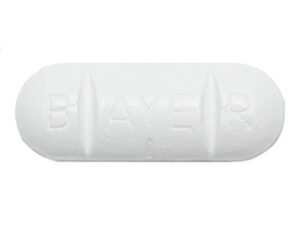
Albenza (Albendazole) — Patient Information (UK)
Albenza contains albendazole, an anti-parasitic medicine used to treat certain worm infections. It works by stopping parasites from using energy they need to survive, allowing your body to clear the infection.
This page explains how Albenza works, how it’s usually taken, typical uses, safety information, and practical tips. If you are unsure whether it is suitable for you, or if symptoms are severe or worsening, seek medical advice.
1. Basic product information
Medicine name: Albenza
Active ingredient: Albendazole
Medicine type: Anti-parasitic (anthelmintic)
Common presentation: Oral tablets (strengths may vary by pack)
In the UK, antiparasitic treatment is typically guided by clinical diagnosis (for example, stool tests, imaging, blood tests, or specialist assessment depending on the suspected parasite).
2. How Albenza works (mechanism of action)
Albendazole is a member of the benzimidazole class of anti-parasitic drugs. It works mainly by interfering with the parasite’s internal chemistry:
- Blocks microtubule formation: Albendazole binds to parasite proteins involved in building microtubules (structures the parasite needs for cell division and transport).
- Disrupts energy production: It reduces the parasite’s ability to use glucose (a key energy source). This leads to parasite death or inability to continue developing.
- Acts on susceptible life stages: Depending on the parasite, albendazole may be most effective against particular stages (for example, worms in the gut, or larval forms in tissue).
Important: The exact response time depends on the parasite involved and the site of infection (intestines vs. tissue).
3. Pharmacokinetics (how the body handles it)
Pharmacokinetics describes how a medicine is absorbed, distributed, metabolised, and eliminated. For albendazole, the key points are:
- Absorption: Albendazole is absorbed from the gut and is generally enhanced when taken with food, particularly fatty meals.
- Metabolism: It is metabolised in the liver to an active metabolite (albendazole sulfoxide).
- Distribution: The active metabolite can distribute into tissues where certain parasites live. This is one reason albendazole can be used for specific tissue infections under clinical guidance.
- Elimination: Metabolites are cleared mainly via the liver and through bile pathways, with further elimination through urine and faeces.
- Duration of treatment: Some infections require longer courses to treat larval stages or to prevent relapse.
Because tissue infections and longer treatment courses may require monitoring, your clinician may recommend blood tests (for example, liver function and blood counts).
4. Typical use and timing
Albenza is used to treat certain parasitic worm infections. The timing and length of treatment depend on the specific infection and your clinical situation.
General timing principles:
- Follow the schedule provided: Some conditions are treated with a single dose, while others require multiple doses over days or weeks.
- Consider repeating doses if advised: Some intestinal worm infections may require repeat dosing to treat worms that mature after the first dose.
- Consistency matters: If a multi-day regimen is prescribed, take doses at similar times each day.
If you’re taking it at home, it can be helpful to set a reminder for each planned dose and duration.
5. Food interactions (what to eat with it)
Albendazole absorption can be improved when taken with food. For many people, taking it with a meal can improve effectiveness.
- Take with food if possible: A normal meal is often recommended.
- Avoid very large changes: Try not to drastically alter your usual eating pattern during treatment unless advised.
- Follow local instructions: Always use the instructions that come with your specific pack or what your healthcare professional has advised.
If you have trouble swallowing tablets or you’re unsure how to take the medicine, speak to a pharmacist.
6. Alcohol and medicine interactions
Alcohol
There is no universal “hard rule” that you must avoid alcohol with albendazole, but caution is sensible. Alcohol may affect the liver, and albendazole can also be processed by the liver.
- Best approach: Keep alcohol to a minimum during treatment.
- Avoid if liver problems: If you have liver disease, discuss alcohol and treatment with a clinician.
Medicine interactions
Albendazole may interact with some medicines, most notably medicines that affect liver enzymes. These can change albendazole levels and increase side effects or reduce effectiveness.
Common interaction considerations include:
- Some medications that alter liver enzyme activity may change albendazole absorption and metabolism.
- Other anti-parasitic treatments may be used in specific cases; combination approaches are usually planned by clinicians.
- Regular medicines (including anticoagulants/warfarin, antiseizure medicines, and certain antibiotics/antifungals) can have interaction potential—always check with a pharmacist.
To minimise risk, tell your pharmacist about all medicines you take, including:
- Over-the-counter products
- Herbal supplements
- Vitamins (especially high-dose products)
- Any recent courses of antibiotics or antifungals
7. Indications (what Albenza is used for in practice)
Albenza (albendazole) is used for a range of parasitic infections. Which condition you have determines: dose, how long you need to take it, and whether additional monitoring is required.
Examples of infections where albendazole may be used include:
- Intestinal nematode (roundworm) infections (depending on the specific worm)
- Some tissue larval infections where albendazole reaches the relevant tissue
- Echinococcus (hydatid disease) under specialist guidance
- Neurocysticercosis under specialist guidance
- Infections affecting the liver or other organs depending on cause and clinical assessment
The exact infection name matters. If you’ve been told you have a specific parasite, use that term when discussing treatment.
8. Dosing (general information)
Dosing varies significantly by parasite, the body site involved, age, weight, and whether treatment is short or prolonged. Always follow the dose plan provided for your specific condition.
Key dosing principles:
- Some conditions are treated with a single dose (or a short repeat schedule).
- Some tissue or larval infections require longer courses, sometimes with monitoring.
- Children and adults may have different dosing based on weight and age.
| Infection type (examples) | Typical treatment pattern (general) | Notes |
|---|---|---|
| Some intestinal worm infections | Often a single dose or short course | May require repeat dosing depending on worm lifecycle and clinical guidance. |
| Certain tissue larval infections | Usually longer courses | May need blood tests and follow-up; specialist input may be recommended. |
| Hydatid disease (Echinococcus) | Prolonged regimen under specialist care | Treatment depends on imaging findings and organ involvement. |
| Neurocysticercosis | Longer regimen under specialist care | Other medicines may be used to manage inflammation/seizure risk. |
Do not adjust your dose based on symptom relief alone. If symptoms persist or worsen, you may need reassessment and confirmation of the parasite involved.
9. Safety profile (who should be careful)
Like all medicines, albendazole can cause side effects. Many are mild, but some require urgent medical attention. Your safety can depend on the infection, dose, and how long you take the medicine.
Common side effects
- Nausea
- Stomach pain or cramps
- Diarrhoea or constipation
- Headache
- Dizziness
- Fatigue
- Temporary hair thinning (more likely with longer treatment courses)
Less common but important side effects
- Changes in blood counts (particularly with longer courses)
- Liver enzyme changes (hepatotoxicity is uncommon but important to detect)
- Allergic reactions (rash, swelling, breathing difficulty)
Get urgent help if you have
- Signs of a severe allergic reaction (swelling of face/lips, wheezing, trouble breathing)
- Severe or persistent vomiting
- Yellowing of skin/eyes, dark urine, or severe upper abdominal pain (possible liver issue)
- Unusual bruising, severe tiredness, or frequent infections (possible blood-related issue)
Special caution
- Pregnancy: Albendazole may not be appropriate in pregnancy. If you are pregnant or could become pregnant, discuss treatment options and timing with a healthcare professional.
- Breastfeeding: Seek advice on suitability for breastfeeding.
- Liver disease: People with liver problems may require extra caution and monitoring.
- Children: Dosing depends on age/weight and the infection type. Use age-appropriate dosing only.
- Long treatment courses: Blood tests (for example, liver function tests and blood counts) may be recommended.
10. Practical use tips (how to take Albenza at home)
- Take with food: If your instructions allow, take with a meal to improve absorption.
- Follow the full course: Even if you feel better early, complete the recommended regimen.
- Set reminders: For multi-day treatment, plan doses for consistent timing.
- Hygiene to prevent reinfection: For intestinal worms, reinfection is common. Focus on hand hygiene, cleaning toilets/bathrooms, and laundering bedding/clothing as advised.
- Check household contacts if advised: Some worms require treating close contacts or repeating treatment after a set interval.
- Keep follow-up appointments: If symptoms do not improve or if complications are suspected, get reassessed.
If you miss a dose, the best next step depends on your regimen. If you’re unsure, contact a pharmacist for advice based on your schedule.
11. What to expect after taking Albenza
Symptom improvement may occur over days, but this varies by the parasite and your symptoms. In some cases, symptoms may temporarily change as the infection is cleared.
- Intestinal infections: Symptoms often improve within days; however, follow-up may be needed.
- Tissue infections: Improvement can take longer and may require monitoring and additional treatment.
- Persistent symptoms: If diarrhoea, abdominal pain, weight loss, or fever continue, seek medical advice.
12. Alternative options
The most appropriate treatment depends on the specific parasite, location in the body, and your health status. Alternatives may include other anti-parasitic medicines such as:
- Mebendazole (often used for certain intestinal worm infections)
- Praziquantel (used for specific fluke/tapeworm infections depending on cause)
- Ivermectin (used for certain parasite types such as some skin/roundworm infections)
- Specific specialist regimens (particularly for neurocysticercosis or echinococcosis)
A clinician chooses the medicine based on the infection type and evidence of which drug works best for that parasite. If you’ve been offered Albenza, it’s likely chosen for its effectiveness against the suspected organism.
13. UK market and legal context
In the UK, medicines are supplied according to their regulatory status and intended use. Albenza (albendazole) is an anti-parasitic medicine that may be available through different supply routes depending on strength, formulation, and local pharmacy practices.
Pharmacies must follow UK requirements for medicines supply, including appropriate patient checks, safeguarding, and advice to ensure safe use.
Important: If you are taking albendazole for a complex infection (particularly tissue infections), specialist assessment and monitoring may be necessary.
14. Recent guidance (general themes)
UK clinical practice guidance for parasitic infections commonly emphasises:
- Accurate diagnosis: Identifying the specific parasite improves the chance of effective treatment.
- Appropriate selection of drug and dose: Different parasites require different regimens.
- Monitoring for longer courses: For treatment lasting weeks, clinicians often monitor liver function and blood counts.
- Managing inflammatory complications: For certain tissue infections, supportive treatment may be used to manage inflammation as parasites die.
- Preventing reinfection: Hygiene measures and treating close contacts when advised reduce recurrence.
Guidance can evolve as new evidence becomes available. If you have questions about the latest local recommendations, ask a pharmacist or healthcare professional.
15. Delivery and availability in the UK
Online pharmacies in the UK may stock Albenza depending on current supply and demand. Delivery times can vary based on courier routes and your location.
Typical availability considerations:
- Pack sizes and strengths may differ.
- Stock can change, especially for less commonly requested medicines.
- Where special instructions apply, the pharmacy may confirm details before dispatch.
After you place an order, you’ll usually receive tracking information and estimated delivery updates. If you need it urgently, check the estimated dispatch and delivery time displayed at checkout.
16. FAQ
How quickly will Albenza work?
Many people notice symptom improvement within days for intestinal infections. For tissue infections, improvement may take longer and may require longer treatment and monitoring.
Can I take Albenza with food?
Yes—taking albendazole with food is often recommended because absorption can be improved. Follow the advice on your specific pack or from a healthcare professional.
What if I forget a dose?
The best advice depends on your schedule. Contact a pharmacist or follow the instructions provided with your medicine. Avoid taking double doses unless explicitly instructed.
Is it safe to drink alcohol while taking Albenza?
Keep alcohol to a minimum during treatment, especially if you have liver issues or are taking a longer course. If you’re unsure, speak to a pharmacist for personal guidance.
Are there any medicines I should avoid?
Albendazole can interact with medicines that affect liver enzymes. Tell your pharmacist about all medicines and supplements you take. This includes over-the-counter products and herbal supplements.
Can I treat my whole household at the same time?
For some intestinal worm infections, treating close contacts may be advised to reduce reinfection. Whether this applies to your situation depends on the parasite and local guidance—ask a pharmacist or clinician.
Do I need blood tests?
For short courses, blood testing may not be necessary. For longer treatment courses or specific conditions, clinicians often monitor liver function and blood counts to reduce the risk of complications.
What side effects are most common?
Common side effects include nausea, abdominal discomfort, headache, and diarrhoea. Seek urgent advice if you develop signs of severe allergy, jaundice, or severe illness.
Who should not take Albenza without medical advice?
If you are pregnant (or could become pregnant), breastfeeding, have liver disease, or are planning a longer treatment course, seek advice before starting. Children require age-appropriate dosing and guidance.
What alternative treatments exist?
Alternatives depend on the parasite and can include mebendazole, praziquantel, and ivermectin, among others. Your healthcare professional will choose based on which medicine is best for the confirmed or suspected infection.
Summary
Albenza (albendazole) is an anti-parasitic medicine used to treat a range of worm infections. It works by disrupting the parasite’s ability to function and survive. Taking it with food can improve absorption, and completing the full recommended course is important for effectiveness.
If you have questions about dosing, timing, interactions, or expected improvement, speak to a pharmacist.