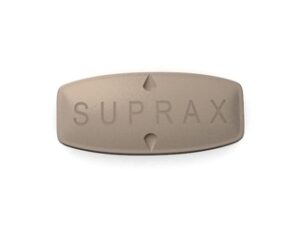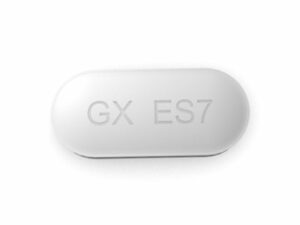


Xifaxan (Rifaximin) — Patient-Friendly Guide (UK)
Xifaxan is a brand of rifaximin, an antibiotic medicine used to treat specific bowel conditions. This guide explains how rifaximin works, what it’s used for, how it’s typically taken, key safety information, and practical tips for getting the best results. It is written for people in the United Kingdom and uses patient-friendly language.
1) Basic product information
| Item | Details |
|---|---|
| Medicine | Xifaxan (rifaximin) |
| Type | Oral, non-systemic (minimally absorbed) antibiotic |
| How it works | Inhibits bacterial RNA synthesis |
| Where it acts | Mostly in the gut lumen (intestines) |
| Typical forms | Tablets (strengths vary by product; follow your pack) |
| Storage | Store at room temperature and protect from moisture, as directed on the pack |
Important: Always check your specific pack for the strength and instructions. Different countries and pack sizes may vary.
2) What is rifaximin and how does it work? (Mechanism of action)
Rifaximin is an antibiotic that belongs to the rifamycin class.
- Target: It blocks bacterial RNA synthesis.
- Result: This prevents bacteria from making essential proteins needed for survival and growth.
- Why it’s different: Rifaximin is designed to act primarily in the intestines, with very low absorption into the bloodstream.
This gut-focused activity can help reduce abnormal or harmful bacterial activity associated with certain bowel conditions.
3) Pharmacokinetics (how the body handles it)
Absorption: Rifaximin is minimally absorbed from the gastrointestinal tract. Most of the active medicine remains in the gut.
Distribution: Because absorption is low, systemic distribution (to the rest of the body) is limited.
Metabolism and elimination: A large proportion is excreted via the gut. Only small amounts reach the bloodstream, so overall systemic exposure is low.
Clinical implication: For many patients, this results in fewer whole-body (systemic) effects than antibiotics that are absorbed more extensively—though side effects can still occur.
4) Typical uses in the UK
In the UK, rifaximin-containing products may be used for specific gastrointestinal indications. Availability and exact indications can depend on local prescribing practices and product licensing status.
Common clinical indications include:
- Hepatic encephalopathy (to help reduce risk of recurrence in certain people with liver disease, as part of a broader management plan).
- Diarrhoea associated with bacterial overgrowth in selected patients (where appropriate based on diagnosis).
- Irritable bowel syndrome with diarrhoea (IBS-D) in some treatment pathways, particularly when symptoms relate to bacterial fermentation/overgrowth and after ruling out other causes.
Note: This page provides general patient information. Your treatment should match the specific diagnosis and guidance from your clinician.
5) Timing and how to take Xifaxan
Follow the dosing instructions on your pack and any accompanying pharmacy information. For patient understanding, the most important practical point is consistency.
General timing tips
- Take at the same times each day to maintain steady exposure in the gut.
- Complete the full course unless a clinician advises otherwise.
- If you miss a dose, do not double up—check the leaflet for guidance or ask a pharmacist.
With or without food?
Rifaximin can generally be taken with or without food. Some patients find taking it with food reduces stomach discomfort.
6) Food interactions and dietary considerations
Rifaximin has minimal systemic absorption, so major diet-drug interactions are less common than with many other antibiotics. Still, practical considerations matter.
- Consistency helps: Try to keep your meal timing reasonably consistent during treatment.
- Hydration: If you have diarrhoea, ensure adequate fluids and consider oral rehydration solutions if advised.
- Gastrointestinal symptoms: If you experience nausea or stomach upset, taking the dose after a light meal may help.
Herbal products and supplements: Inform your pharmacist if you take supplements (e.g., St John’s wort) or herbal remedies, as they may interact with some medicines.
7) Alcohol and medicine interactions
Alcohol
There is no universal “no alcohol” rule for every person on rifaximin, but caution is sensible—especially if you have underlying liver conditions.
- If you have liver disease or are being treated for hepatic encephalopathy: it’s generally best to avoid alcohol or follow your clinician’s advice strictly.
- If you drink alcohol during treatment and feel unwell (dizziness, fatigue, confusion, worsening bowel symptoms), stop drinking and seek advice.
Medicine interactions
Because rifaximin has low absorption, fewer drug-drug interactions are expected. However, interactions can still occur through effects on gut bacteria or absorption of other medications.
Tell your pharmacist/doctor if you take:
- Warfarin or other medicines that require monitoring (your INR may need extra attention depending on your overall condition and concurrent treatments).
- Other antibiotics (may affect gut flora balance).
- Medicines affecting gut conditions (e.g., strong acid-suppressing treatments may affect absorption for some antibiotics, though rifaximin absorption is low).
- Medicines for liver disease (your regimen may involve several agents—coordinate your plan).
Tip: Keep an up-to-date list of all medicines and supplements and share it with your pharmacy team before starting.
8) Indications: when Xifaxan may be considered
Xifaxan (rifaximin) is used for selected gastrointestinal conditions where antibiotic action in the gut is beneficial. Indications can vary by country and by licensing updates.
Examples of conditions where rifaximin may be used:
- Hepatic encephalopathy: to reduce recurrence in people with cirrhosis/liver dysfunction, in addition to standard therapies such as lactulose (where appropriate).
- IBS-D: in some care pathways for symptom control related to gut microbiota changes.
- Small intestinal bacterial overgrowth (SIBO) and certain diarrhoea presentations: when clinicians suspect bacterial imbalance contributes to symptoms.
Important: Antibiotics are not suitable for every type of diarrhoea. If diarrhoea is caused by infection that is not bacterial, or if there are red flags, a different approach is needed.
9) Dosing: typical regimens (general information)
Dosing depends on the indication, severity, kidney/liver status, and your clinician’s plan. Always follow the exact dose on your prescription/dispensing label and the patient leaflet provided with your medication.
General examples (for understanding)
- Hepatic encephalopathy (maintenance/recurrence reduction): dosing is typically taken in repeated daily schedules over defined periods, often long-term in some patients. Your prescriber will specify the exact regimen.
- IBS-D: treatment may be given in courses, sometimes repeated depending on response and clinical assessment.
- Other diarrhoeal conditions: regimens vary by diagnosis and local guidance.
Do not change your dose or stop early without advice. Stopping early may reduce effectiveness.
If you have kidney problems: because systemic absorption is low, dose adjustment may not be needed in many cases, but you should still check with a pharmacist.
If you have liver problems: your clinician may monitor closely, particularly if you are being treated for hepatic encephalopathy.
10) Safety profile: common and serious side effects
Like all medicines, rifaximin can cause side effects. Many people tolerate it well, but it’s important to know what to watch for.
Common side effects (may affect some people)
- Headache
- Nausea or mild stomach discomfort
- Fatigue
- Abdominal pain or bloating
Less common but important side effects
- Diarrhoea worsening or new severe diarrhoea
- Skin reactions such as rash
Seek urgent medical help if you develop
- Signs of an allergic reaction: swelling of the face/lips, difficulty breathing, widespread rash, severe dizziness.
- Severe or persistent diarrhoea, especially if it comes with fever or blood/mucus, or if symptoms significantly worsen—this can require urgent assessment.
- Confusion, severe drowsiness, or worsening symptoms in people with liver disease.
11) Practical use tips (help you get the most from treatment)
- Use a pill organiser if it helps you keep track (unless your pharmacist advises otherwise).
- Set reminders on your phone for each daily dose.
- Monitor symptom response: note changes in stool frequency, urgency, or mental status (if applicable). Keep a simple diary.
- Don’t share antibiotics: take it only for your own condition, at the advised dose and duration.
- Adhere to gut-friendly measures: during diarrhoea episodes, focus on hydration and discuss diet changes with your pharmacist or clinician.
- Be cautious with travel and dehydration: diarrhoea treatments may make hydration even more important.
12) Alternative options
If rifaximin isn’t suitable, not available, or doesn’t work, there may be other approaches depending on the diagnosis.
Possible alternatives (depend on condition)
- For hepatic encephalopathy: lactulose is commonly used, and other supportive strategies may be considered by clinicians.
- For IBS-D: diet modification (for example, reducing triggers), gut-directed therapies, and symptom-targeted medicines may be used depending on patient factors.
- For diarrhoea associated with bacterial imbalance: clinicians may consider different antibiotics, stool/blood tests, or targeted treatments after identifying the cause.
Why alternatives vary: The “best” option depends on the underlying diagnosis (infection vs microbiome imbalance vs inflammation), severity, and safety considerations.
13) UK market and legal context (overview)
In the United Kingdom, antibiotic medicines—including rifaximin—are regulated and dispensed under pharmacy and medicines legislation. Access and eligibility depend on the product’s licensing status and local prescribing pathways.
What you can expect when buying from a UK online pharmacy:
- Medicines should be supplied via appropriate pharmacy processes in line with UK regulations.
- Clear product information and patient leaflets should be provided.
- Safety checks may be carried out (for example, allergy history and medicine interaction screening).
Licensing and guidance may change: indications, pack sizes, and recommended regimens can be updated as clinical evidence evolves. Your pharmacy should provide the most current information available.
14) Recent guidance and clinical considerations (what to know)
Clinical practice for gut-related antibiotic use has increasingly emphasised:
- Correct diagnosis before starting antibiotic therapy (especially for diarrhoea).
- Targeted use rather than repeated antibiotics without evaluation.
- Microbiome stewardship—using antibiotics only when benefits are expected and monitoring response.
- Ongoing assessment if symptoms persist or worsen.
For liver-related indications, specialist guidance often stresses combining rifaximin with broader management (such as lactulose and addressing precipitating factors).
15) Delivery and availability from an online pharmacy (UK)
Availability can vary by strength and pack size. UK online pharmacies typically offer:
- Transparent stock information (or estimated dispatch times).
- Secure packaging to protect tablets from moisture and damage.
- Tracked delivery options in many cases.
- Pharmacist support for questions about how to take the medicine and potential interactions.
Delivery timing: Delivery times depend on your location and whether the item is in stock. If the medicine is unavailable, a pharmacy may provide an alternative or estimated restock date.
How to check on delivery day: Confirm the product name (Xifaxan), strength, quantity, and expiry date before use.
16) FAQ
How quickly does Xifaxan work?
Many people notice improvement within a few days, but timing can vary by condition and severity. If there is no improvement within the timeframe described by your clinician or pharmacy information, contact a healthcare professional for advice.
Can I take Xifaxan with food?
Yes. Rifaximin can generally be taken with or without food. Choose a routine that helps you remember doses and reduces any stomach upset.
What if I miss a dose?
Check the leaflet included with your medication for the missed-dose instructions. In general, don’t take a double dose to make up for the missed tablet. Ask your pharmacist if you’re unsure.
Is Xifaxan safe for long-term use?
For some indications (such as hepatic encephalopathy recurrence prevention), longer use may be considered under clinical oversight. Your clinician will balance benefits and risks and monitor your condition.
Will rifaximin treat a viral diarrhoea?
Rifaximin is an antibiotic, so it won’t help with viral illness. If diarrhoea is severe, persistent, or associated with fever or blood, get medical advice promptly.
Can I drink alcohol while taking it?
If you have liver disease or are receiving treatment related to the liver, avoid alcohol or follow your clinician’s guidance closely. For others, occasional alcohol may be acceptable for some people, but it’s best to ask your pharmacist given your medical history and other medicines.
Does it interact with other medicines?
Rifaximin has relatively low systemic absorption, so many interactions are less likely. However, interactions are possible—especially if you take medicines such as warfarin or other treatments requiring careful monitoring. Always share your medication list with your pharmacy.
Are there any foods I should avoid?
There are no widely recognised food restrictions, but maintain hydration and eat what suits your gut. If you’re following a diet for IBS or diarrhoea, continue the plan unless advised otherwise.
What should I do if I get a rash or allergic symptoms?
Stop and seek urgent medical help if you have signs of allergy such as swelling of the face/lips, breathing difficulty, or a widespread rash.
What are signs I should contact a clinician urgently?
- Severe or worsening diarrhoea, especially with fever or blood/mucus
- Allergic reaction symptoms
- Worsening confusion or severe sleepiness (particularly important in liver disease)
Key takeaways
- Xifaxan (rifaximin) is an antibiotic that works mainly in the gut.
- It inhibits bacterial RNA synthesis, helping reduce gut-associated causes of specific bowel conditions.
- It has minimal systemic absorption, which may reduce whole-body side effects.
- Take it at consistent times, with or without food, and complete the course unless advised otherwise.
- Seek urgent help for allergic reactions or severe worsening diarrhoea.
Disclaimer: This information is for general guidance and education. Your pharmacist or clinician can provide personalised advice based on your diagnosis, medical history, and current medicines.