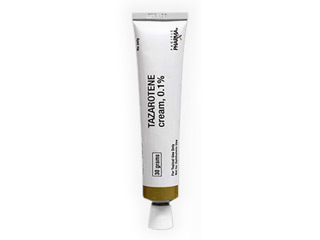
Tazarotene (for skin conditions) — Patient-Friendly Guide (UK)
Tazarotene is a topical medicine used to treat certain skin conditions by helping to normalise how skin cells grow and shed. This guide explains what tazarotene is, how it works, how it behaves in the body, how to use it safely, and what to consider regarding food, alcohol and other medicines. Information is written for patients in the United Kingdom and focuses on practical, everyday use.
Key points at a glance
- What it is: Tazarotene is a retinoid applied to the skin.
- What it helps: It can improve appearance and symptoms of conditions such as acne and psoriasis (depending on the specific product strength and indication).
- How it works: It affects cell turnover and inflammation pathways in the skin.
- Common early effects: Dryness, redness, peeling, and irritation—often improve with correct use.
- Use carefully: Avoid eyes, lips, corners of the nose, and broken skin.
Basic product information
| Item | Details |
|---|---|
| Generic name | Tazarotene |
| Type | Topical retinoid |
| Typical forms | Gel/cream (strengths vary by product, commonly 0.05% or 0.1%) |
| How it’s used | Applied to clean, dry skin (usually in the evening) |
| Who it’s for | People with specific acne or psoriasis indications, based on product licence |
| Important safety notes | Not for use in pregnancy; avoid in breast-feeding unless advised; protect skin from sun/UV |
Mechanism of action (how tazarotene works)
Tazarotene is converted in the skin into an active metabolite that binds to retinoid receptors. The result is a set of effects that can improve the underlying processes in acne and psoriasis, including:
- Normalising keratinisation: Helps reduce abnormal thickening and scaling.
- Improving skin cell turnover: Encourages more regular shedding and growth patterns.
- Anti-inflammatory action: Can reduce inflammatory signals in the skin.
- Reducing lesions: Over time, may decrease comedones and inflammatory lesions in acne, and plaques in psoriasis (depending on the product indication).
Pharmacokinetics (what happens to the medicine in the body)
When applied to intact skin, tazarotene acts mainly locally in the skin. Only a small amount typically reaches the bloodstream. The medicine undergoes metabolism in the body and is eliminated over time.
Key practical takeaways for patients:
- Systemic absorption is generally low when used as directed.
- Absorption may increase if applied to large areas, broken/irritated skin, or under occlusion (covering the area).
- Metabolism occurs in the body, and drug products are cleared mainly through metabolism and elimination pathways.
Your product’s Summary of Product Characteristics (SmPC) provides more detailed pharmacokinetic data for the specific formulation and strength. If you want the exact figures for a particular product, check the label information or ask a healthcare professional.
Typical uses and indications in the UK
The exact indications depend on the strength and formulation and the product’s licence in the UK. Commonly, tazarotene is used for:
- Acne (including comedonal and inflammatory acne), when the medicine is indicated for that condition.
- Psoriasis (plaque psoriasis), when the medicine is indicated for that condition.
If you are unsure whether tazarotene is appropriate for your specific diagnosis, confirm the product licence and guidance from your clinician. Using a product for an unlicensed purpose may increase the risk of irritation or reduce benefit.
When to apply it (timing and how to build tolerance)
Tazarotene is generally applied in the evening, because many retinoids are best tolerated when used at night and because the skin may be less exposed to sunlight. Follow your product label and any healthcare advice.
Typical timing
- Once daily is commonly used.
- Apply to clean, dry skin.
- Wait after washing: allow the skin to fully dry to reduce stinging and irritation.
Building tolerance (helpful approach for sensitive skin)
Many people experience irritation at the start. A common strategy to improve comfort is to use a smaller amount and gradually increase frequency.
- Start with every other night if your skin is easily irritated.
- Increase to once nightly if tolerated.
- If irritation becomes troublesome, reduce frequency and consider moisturising more frequently.
How to use tazarotene (practical step-by-step)
- Wash your hands before and after application.
- Cleanse the area with a gentle cleanser and pat dry. Avoid scrubs, strong toners, and medicated cleansers on the same evening unless advised.
- Apply a thin layer of tazarotene to the affected area. A pea-sized amount may be sufficient for small areas, but use according to your clinician’s advice and the product label.
- Avoid sensitive areas: eyes, lips, corners of the nose, and neck folds where skin may rub. Do not apply to broken or infected skin.
-
If your skin feels dry, use a moisturiser. You can apply moisturiser either:
- after tazarotene once the product has absorbed, or
- before tazarotene if your product guidance allows (a “sandwich” approach) to reduce irritation.
Do not wash the treated area immediately after applying. Let the medicine absorb.
Food interactions
Because tazarotene is used on the skin and usually has low systemic absorption, food interactions are not commonly expected. In practical terms, you do not typically need to change your diet when using tazarotene.
That said, overall skin comfort can be affected by hydration and general health. If you notice that certain foods seem to worsen acne or irritation for you personally, consider discussing a personalised approach with a clinician.
Alcohol interactions
No direct alcohol interaction is typically expected with topical tazarotene, as absorption into the bloodstream is generally low. However, alcohol can indirectly affect skin by contributing to dehydration in some people.
- If you notice increased dryness or sensitivity after alcohol, consider moisturising more and using sunscreen carefully.
- For people with significant skin irritation, limiting alcohol during the early adjustment period may help you tolerate treatment.
Medicine interactions (including common skincare products)
Tazarotene’s main interactions are often with other products applied to the skin. Combining multiple irritating products can increase dryness and redness. Systemic drug interactions are less likely because systemic absorption is typically low.
Be cautious with skin-on-skin combinations
- Other topical retinoids (e.g., adapalene, tretinoin) — avoid unless specifically advised.
- Strong acids/peels (e.g., high-strength salicylic acid, glycolic acid, chemical peels) — may increase irritation.
- Topical benzoyl peroxide — some people can use it, but it may increase dryness; you may need to separate by time or reduce frequency.
- Worsening irritants such as alcohol-based toners, exfoliating scrubs, and fragranced products.
Tell a healthcare professional if you use
- Any other medicines for skin conditions.
- Any long-term medicines that affect skin healing or immune response.
- Prescription or over-the-counter products intended for acne, psoriasis, eczema, or “anti-ageing.”
Dosing guidance (typical regimens)
Dosing depends on the strength of your tazarotene product and the condition being treated. Follow the exact directions on your label or from your clinician.
General principles
- Use once daily in the evening, unless your product guidance says otherwise.
- Apply a thin layer—more is not better and can increase irritation.
- Start cautiously if you are prone to sensitive skin. A gradual build-up can reduce “retinoid dermatitis.”
Missed dose
- If you forget a dose, apply it as soon as you remember if it is close to your normal time.
- If it’s nearly time for the next dose, skip the missed one.
- Do not apply extra to make up for a missed dose.
Safety profile (how to use safely)
Common side effects
Many side effects are due to irritation of the skin barrier, especially during the first weeks. Common effects include:
- Dryness
- Redness
- Peeling or flaking
- Burning or stinging sensation
- Itching
- Skin discomfort
Serious or urgent symptoms
Seek urgent medical advice if you develop signs of a severe allergic reaction or extensive skin reactions. Examples include:
- Swelling of the face, lips, or eyelids
- Widespread rash, hives, or breathing difficulty
- Severe blistering, painful skin, or symptoms that rapidly worsen
Who should take extra care
- People with eczema or very sensitive skin: build tolerance slowly and moisturise generously.
- People with sun exposure risk: use sunscreen and protective clothing.
- Anyone with broken or infected skin: avoid application to those areas.
Sunlight, UV exposure, and weather
Tazarotene can make skin more sensitive to sunlight. This does not mean you must stay indoors—just protect your skin.
- Use a broad-spectrum sunscreen during the day.
- Wear protective clothing (hat, sleeves) when outdoors.
- Avoid sunbeds and tanning lamps.
- If you get sunburn while using tazarotene, stop the product and seek advice.
Pregnancy, contraception and breastfeeding (important UK safety context)
Retinoids are associated with risk to an unborn baby. If you are pregnant, trying to become pregnant, or could become pregnant, you should discuss safe options with a healthcare professional.
- Do not use in pregnancy.
- If there is any chance of pregnancy, seek medical advice about alternatives and timing.
- Breast-feeding: discuss suitability with a healthcare professional before use.
Even though systemic absorption is generally low with topical use, the safety concern is serious and guidance follows retinoid safety principles.
Practical use tips to get the best results
- Consistency matters: improvement often takes weeks, not days. Stick to a regimen you can tolerate.
- Less is more: a thin layer improves results and reduces irritation.
- Moisturise strategically: moisturiser can reduce dryness and help you continue treatment.
- Avoid “stacking” irritants: steer clear of exfoliating acids or harsh cleansers during the initial phase.
- Protect barriers: if your skin stings, pause or reduce frequency and focus on moisturising.
- Wash hands well after application to avoid accidental contact with eyes or mouth.
Timing expectations: when to see results
Skin conditions improve gradually. Typical expectations (varies by individual and the condition):
- First 1–2 weeks: irritation or dryness may occur; lesions may not yet improve.
- By 4–6 weeks: some improvement may be visible.
- By 8–12 weeks: clearer results for many people.
If there is no improvement after an adequate trial, or if side effects are limiting your ability to use the medicine, ask a healthcare professional about reassessment or alternative options.
Alternative options (if tazarotene isn’t suitable)
Options depend on your diagnosis (acne or psoriasis), severity, skin type, and what you’ve already tried. Common alternatives include:
- Other topical retinoids: such as adapalene or tretinoin (depending on local availability and indication).
- Benzoyl peroxide: often used for acne; can reduce bacterial load and inflammation.
- Topical antibiotics: for selected acne cases, usually for limited durations (to reduce resistance risk).
- Salicylic acid (BHA) or glycolic acid (AHA): exfoliating options, though they may irritate when combined.
- For psoriasis: vitamin D analogues (e.g., calcipotriol) and other topical anti-inflammatory treatments.
- For more severe cases: phototherapy or systemic treatments may be considered by specialist services.
If you’re deciding between alternatives, consider:
- your tolerance for dryness/irritation
- how quickly you need results
- the size and location of affected areas
- whether you have other skin conditions (e.g., eczema)
Market and legal context for the United Kingdom (patient-facing)
In the UK, medicines are regulated through the Medicines and Healthcare products Regulatory Agency (MHRA). Topical medicines like tazarotene are supplied in line with product licence conditions and national guidance. Availability may vary by brand, strength, and indication.
For online pharmacy delivery, reputable providers typically supply medicines that are legally and safely distributed and may require customer eligibility checks depending on the product category and local regulations.
If you are buying a product online, ensure:
- the packaging and labelling match a licensed medicine
- the product strength and indication correspond to your needs
- the seller provides clear information about storage and use
- delivery is handled by a compliant service with tracking where possible
Recent guidance and best-practice notes (UK-facing themes)
While guidance can vary by condition and by clinical pathway, UK dermatology and primary care practice commonly emphasises:
- Stepwise treatment: starting with skin-friendly options and escalating if needed.
- Skin barrier protection: moisturisers and gentle cleansing to improve tolerance.
- Sun protection: broad-spectrum sunscreen when using retinoids.
- Pregnancy caution: strong risk management for retinoids due to teratogenicity concerns.
- Patient counselling: setting expectations for gradual improvement and managing irritation.
Always follow the specific instructions included with your product. If you’re using other topical agents or have sensitive skin, consider professional guidance to reduce irritation.
Delivery and availability (online pharmacy)
Availability of tazarotene products can differ by brand and strength. Online pharmacies in the UK typically offer:
- Home delivery with tracked shipping where available
- Discreet packaging for privacy
- Storage guidance (usually cool, dry place; keep away from heat and direct sunlight)
- Product information such as dosage instructions and expiry details
Delivery times depend on stock status and courier services. At checkout, a provider should display an estimated dispatch/delivery window. If you need the product urgently (e.g., to continue an ongoing course), check stock before ordering.
How to store tazarotene
- Keep the product tightly closed after use.
- Store at recommended room temperature, away from heat and direct sunlight.
- Keep out of reach of children.
- Check the expiry date and discard if expired.
FAQ about tazarotene
1) What is tazarotene used for?
Tazarotene is a topical retinoid used for specific skin conditions such as acne and/or psoriasis, depending on the product’s strength and UK licence. Always confirm the intended use for your particular product.
2) How long does tazarotene take to work?
Many people notice early changes in comfort or appearance after a few weeks, but visible improvement often takes around 4–12 weeks, depending on the condition and how consistently you can tolerate the medicine.
3) Can I use moisturiser with tazarotene?
Yes. Moisturising often improves tolerability. Many people use moisturiser after application once the product has absorbed, or they use moisturiser before tazarotene if their product guidance allows and irritation is a problem.
4) Is it safe to use tazarotene with sunscreen?
Yes. In fact, sunscreen is strongly recommended because retinoids can increase sun sensitivity. Use a broad-spectrum sunscreen during the day.
5) Can I use tazarotene on the same areas as other acne treatments?
Some combinations may be possible, but others can increase irritation. Common irritants include strong acids (AHA/BHA), scrubs, and other retinoids. If you’re unsure, consider using products on different times/days or ask a healthcare professional for a safe plan.
6) Will tazarotene bleach fabrics or hair?
Topical retinoids may stain some materials. Keep the medicine from contacting clothing, bedding or towels until fully absorbed, and allow it to dry before getting dressed.
7) What should I do if my skin becomes very red or sore?
Stop and seek advice if symptoms are severe. If irritation is mild to moderate, consider reducing frequency, using moisturiser more often, and avoiding other irritating products. Severe reactions may require medical review.
8) Can I drink alcohol while using tazarotene?
Direct interactions are not commonly expected. However, alcohol can contribute to dryness in some people. If you notice worsening dryness or irritation, consider reducing alcohol intake and focusing on moisturising and sun protection.
9) Does food affect tazarotene?
Food interactions are not typically expected because tazarotene is applied to the skin and absorption is generally low.
10) Who should not use tazarotene?
People who are pregnant should not use retinoids like tazarotene due to safety concerns for an unborn baby. Breast-feeding and pregnancy potential should be discussed with a healthcare professional before use.
Summary
Tazarotene is a topical retinoid used to treat conditions such as acne and psoriasis by improving skin cell turnover and reducing inflammation. It is typically applied once daily in the evening to clean, dry skin, in a thin layer, while protecting the skin from sun and avoiding harsh skincare combinations. Early irritation is common, but careful dosing, moisturising, and gradual build-up can improve comfort and results.
If you have questions about suitability, side effects, or combining treatments, consult a healthcare professional or pharmacist.