
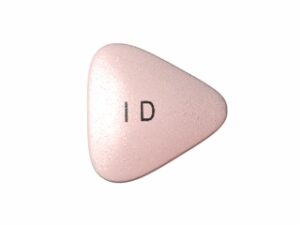
Voveran (Diclofenac) — Patient Information for the UK
Voveran is a brand of diclofenac, a medicine in the group known as non-steroidal anti-inflammatory drugs (NSAIDs). Diclofenac is commonly used to help relieve pain, inflammation and swelling in a range of conditions, from muscle and joint problems to certain types of menstrual pain.
This guide explains how Voveran works, when it’s typically used, how to take it safely, and what to watch for—tailored for readers in the United Kingdom. Always follow the instructions provided with your product and talk to a healthcare professional if you are unsure.
Basic product information
| Item | Details |
|---|---|
| Brand name | Voveran |
| Active ingredient | Diclofenac |
| Medicinal group | NSAID (anti-inflammatory painkiller) |
| Common forms | Tablets, dispersible tablets, and in some markets other formulations (availability may vary by product) |
| Main uses | Pain relief and reduced inflammation for musculoskeletal and other conditions |
Important: Different strengths and formulations may have different dosing instructions. Check the packaging for your exact product strength and directions.
How Voveran works (mechanism of action)
Diclofenac works by reducing the production of certain chemicals in the body called prostaglandins. Prostaglandins are involved in pain, inflammation, and fever. By inhibiting enzymes (mainly COX-1 and COX-2), diclofenac lowers prostaglandin levels, leading to:
- Reduced inflammation (less swelling and tissue irritation)
- Reduced pain
- Improved movement in some joint and muscle conditions
As an NSAID, diclofenac can also increase the risk of side effects related to the stomach, kidneys and cardiovascular system, especially at higher doses or with longer use.
Pharmacokinetics (what happens to diclofenac in the body)
Pharmacokinetics describes how the body absorbs, processes and eliminates a medicine.
Absorption
- Diclofenac is absorbed after oral dosing.
- Food may affect how quickly the medicine takes effect (details under “Food interactions”).
Distribution
- Diclofenac distributes into tissues, including joints, where it can help reduce pain and inflammation.
Metabolism
- Diclofenac is metabolised primarily in the liver.
Elimination
- It is excreted mainly through the kidneys as metabolites.
- Because of this, people with kidney problems may need extra caution.
Why this matters: Diclofenac is processed by the liver and cleared by the kidneys, so dose and monitoring may be relevant for those with liver or kidney impairment.
Typical uses and indications
Voveran is used to relieve symptoms such as pain and inflammation caused by conditions including:
- Musculoskeletal pain (e.g., sprains, strains, back pain)
- Joint and inflammatory disorders such as osteoarthritis and other inflammatory joint conditions
- Acute pain where inflammation is a key component
- Dental pain in some settings
- Period (menstrual) pain (in appropriate formulations/indications)
Always check the specific product leaflet for the approved indications for your exact Voveran form and strength, as indications can vary.
When to take it (timing and onset)
Timing depends on your condition, the formulation and your individual response.
- For many oral NSAID tablets, pain relief may begin within about 30–60 minutes after taking.
- Peak effects often occur later, depending on how the formulation is designed and whether you eat.
- Some people prefer taking diclofenac with food to reduce stomach discomfort (see “Food interactions”).
Practical tip: If you find you need it repeatedly over several days, consider speaking with a clinician or pharmacist, because frequent NSAID use may raise risk and might indicate that the underlying cause needs a review.
Dosing: how much and how often
Dosing depends on the specific Voveran product, strength, and the condition being treated. Use the dose stated on the packaging or in your provided instructions.
In general, NSAID regimens follow these principles:
- Use the lowest effective dose for the shortest possible time.
- Do not exceed the maximum daily dose listed for your product.
- Avoid combining with other NSAIDs (e.g., ibuprofen, naproxen, aspirin for pain relief) unless specifically advised.
Common dosing patterns (general guidance):
- Adults often take diclofenac 1–3 times daily depending on the formulation (for example immediate-release vs modified release) and the strength.
- Older adults may be more sensitive to side effects and may require dose adjustments by a clinician.
- Children and adolescents: diclofenac dosing is age- and weight-dependent and must match an approved paediatric regimen for the product.
If you’re unsure which schedule applies to you, check the leaflet for your exact Voveran product or ask a pharmacist.
Food interactions
Food can influence how quickly diclofenac acts and how likely you may experience stomach upset.
- Taking diclofenac with food can help reduce gastrointestinal irritation and may be more comfortable.
- Some formulations may still be absorbed effectively with meals, but the onset might be slightly slower compared with taking on an empty stomach.
Advice: If you get heartburn, nausea, or stomach pain, consider taking it with food (unless your specific product guidance says otherwise).
Alcohol interactions and safety
Alcohol can increase the risk of stomach irritation and bleeding when combined with NSAIDs.
- Limit or avoid alcohol while taking diclofenac, especially if you have a history of ulcers, gastrointestinal bleeding, or indigestion.
- If you choose to drink, do so cautiously and avoid heavy drinking.
Seek urgent advice if you notice symptoms such as black/tarry stools, vomiting blood, or severe stomach pain.
Interactions with other medicines
Diclofenac can interact with other medicines. Some interactions increase the risk of kidney problems, stomach bleeding, or cardiovascular events.
Common interaction categories to watch for
- Other NSAIDs (including ibuprofen, naproxen, aspirin for pain): increased risk of stomach and kidney side effects.
- Blood thinners (e.g., warfarin) or medicines affecting clotting: increased bleeding risk.
- Anti-platelet medicines (e.g., clopidogrel): may increase bleeding risk.
- Corticosteroids (e.g., prednisolone): increased gastrointestinal ulcer/bleed risk.
- Selective serotonin reuptake inhibitors (SSRIs) and some antidepressants: can increase bleeding risk, especially in the stomach.
- Diuretics (e.g., furosemide), and medicines for high blood pressure: diclofenac may reduce their effect and can affect kidney function.
- ACE inhibitors/ARBs (e.g., lisinopril, enalapril, losartan, valsartan): “triple therapy” with diuretics + NSAIDs can increase kidney risk (monitoring may be needed).
- Lithium: NSAIDs may increase lithium levels (risk of toxicity).
- Methotrexate: NSAIDs can increase methotrexate toxicity.
- Digoxin: NSAIDs may increase digoxin levels in some cases.
Herbal and supplement considerations
- St John’s wort may affect metabolism of some medicines.
- Products that affect clotting (e.g., high-dose fish oil or garlic supplements) may influence bleeding risk—discuss with a pharmacist if unsure.
Practical advice: Tell your pharmacist or doctor about all medicines you take, including over-the-counter products, vitamins, and herbal remedies.
Safety profile: who should be cautious
Diclofenac can be very effective for pain and inflammation, but it is important to use it carefully because of potential side effects.
Common side effects
- Indigestion, heartburn, stomach discomfort
- Nausea
- Headache or dizziness
Serious side effects (seek urgent medical advice)
- Signs of gastrointestinal bleeding: black/tarry stools, vomiting blood, unusual severe stomach pain
- Allergic reactions: swelling of the face/lips, breathing difficulties, severe rash
- Kidney problems: reduced urine output, swelling of ankles/feet, persistent fatigue
- Cardiovascular risks: chest pain, sudden breathlessness, weakness on one side of the body
- Severe liver reactions: yellowing of eyes/skin, dark urine, severe upper stomach pain
Who should use Voveran with extra caution
- People with a history of stomach ulcers or gastrointestinal bleeding
- People with heart disease, history of stroke, or significant cardiovascular risk factors
- People with kidney impairment or dehydration
- People with liver impairment
- Older adults, who may be more prone to side effects
- People with asthma that worsens with NSAIDs
- Those taking medicines that increase bleeding risk (e.g., anticoagulants, antiplatelets)
Allergy note: If you have previously had allergic-type reactions to aspirin/NSAIDs (including wheezing, facial swelling, or severe rash), avoid diclofenac and seek advice.
Practical use tips (to get safer, more comfortable results)
- Use the smallest dose that works and stop once your symptoms improve.
- Take with food if you get stomach upset.
- Stay hydrated, especially if you are unwell or elderly (dehydration increases kidney risk).
- Avoid doubling up with other painkillers from the same NSAID group.
- Do not take for longer than needed unless a clinician has advised continued use.
- If you miss a dose, don’t take two to catch up—take the next dose at the usual time.
When to seek medical help: If pain doesn’t improve after a short course, or if you worsen, you may need an assessment of the underlying cause.
Alternative options
Depending on your condition, alternatives may include other pain relief medicines or non-drug approaches.
Other medicines
- Paracetamol (acetaminophen): may help with pain and is often gentler on the stomach (but does not provide the same anti-inflammatory effect as NSAIDs).
- Other NSAIDs (e.g., ibuprofen or naproxen): may be suitable for some people, but similar cautions apply.
- Topical anti-inflammatories (e.g., diclofenac gel in appropriate cases): can reduce systemic exposure compared with oral NSAIDs (availability varies).
Non-medicine approaches
- Rest and activity modification
- Physiotherapy or stretching exercises for musculoskeletal problems
- Heat or cold packs
- Supportive measures such as braces or improved ergonomics
Which option is best? It depends on the type of pain, your medical history and your risk factors. A pharmacist can help compare options.
Market and legal context in the UK
In the UK, availability and classification (for example, whether a medicine is pharmacy-only or prescription-only) can vary by formulation, strength and pack size. Diclofenac products may be supplied under different regulatory routes depending on the specific product and dose. Local rules and product licensing conditions determine what can be sold through pharmacies and online.
All diclofenac-containing medicines marketed in the UK must comply with UK pharmaceutical regulations and carry clear patient information (such as a leaflet and labelling) detailing approved uses, dosing, warnings and contraindications.
Important: Always use the exact product you purchased. Dosing recommendations can differ between formulations.
Recent guidance and safety messages (UK-focused)
In recent years, UK and international safety messaging has emphasised the careful use of oral NSAIDs, particularly:
- Use the lowest effective dose and shortest duration.
- Be especially cautious in people with cardiovascular risk or prior ulcer/bleeding history.
- Avoid combining multiple NSAIDs.
- Consider gastro-protection strategies when appropriate, especially for people at higher risk (this should be discussed with a clinician/pharmacist).
These principles help reduce the chance of serious stomach, kidney and cardiovascular side effects.
Delivery and availability (UK online pharmacy)
Voveran (diclofenac) availability can vary depending on the product form and strength. Many online pharmacies in the UK offer:
- Home delivery (standard or express options, depending on the supplier)
- Trackable parcels and dispatch notifications
- Careful packaging to protect tablets and printed materials
Keep in mind: Stock levels may change. If your preferred strength or formulation is temporarily unavailable, you may be offered an alternative product route or suggested options with similar benefits. Always check that the brand and strength match what you need.
If you are buying for ongoing use, check whether you should store the medicine at room temperature and away from moisture and heat, and keep it out of the reach of children.
FAQ
1) What is Voveran used for?
Voveran (diclofenac) is used to reduce pain and inflammation in conditions such as musculoskeletal disorders, joint pain, and other approved inflammatory pain states. It may also be used for menstrual pain depending on the specific product and indication.
2) How quickly does Voveran work?
Some people notice pain relief within 30–60 minutes after taking an oral diclofenac product. Full effect may take longer, and timing can be influenced by food and the specific formulation.
3) Should I take Voveran with food?
Taking diclofenac with food can help reduce stomach discomfort. If your stomach tolerates it well, you may still be able to take it as instructed on your product label. Follow the leaflet for your specific formulation.
4) Can I drink alcohol while taking diclofenac?
Alcohol can increase the risk of stomach irritation and bleeding when combined with NSAIDs. It’s best to limit or avoid alcohol, especially if you have a history of ulcers or GI problems.
5) Can I take Voveran with ibuprofen or naproxen?
You should generally avoid combining NSAIDs (including ibuprofen and naproxen) unless a clinician has specifically advised it. Using more than one NSAID increases side effect risk without necessarily improving safety or effectiveness.
6) Is it safe for everyone?
No. Diclofenac is not suitable for everyone, particularly people with a history of stomach ulcers/bleeding, certain heart or stroke conditions, significant kidney disease, severe liver disease, or NSAID-sensitive asthma. Always check warnings and speak to a pharmacist if you’re unsure.
7) What should I do if I miss a dose?
Take the next dose at the usual time. Do not take extra to compensate for a missed dose.
8) How long should I take it?
Use the medicine for the shortest time needed and review your symptoms if you need it beyond a brief period. If pain persists, you may need further assessment of the cause.
9) What signs mean I should stop and seek help urgently?
Seek urgent medical advice if you experience black stools, vomiting blood, severe stomach pain, symptoms of allergy (e.g., facial swelling or breathing difficulty), chest pain, sudden breathlessness, or signs of kidney problems.
10) Are there alternatives to Voveran?
Depending on your condition, alternatives may include paracetamol, other NSAIDs (with similar precautions), or topical anti-inflammatory options. Non-medicine treatments like physiotherapy and exercise may also help.
Reminder: This information is provided to help you understand Voveran (diclofenac) and use it safely. If you have questions about your specific situation, a healthcare professional or pharmacist can help you choose the safest option.