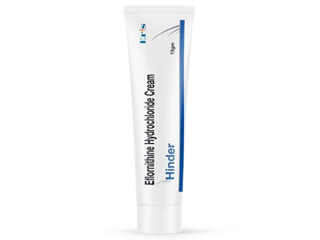
Vaniqa (Eflornithine) Cream – Patient Guide (UK)
Vaniqa is a topical medicine containing eflornithine, used to reduce unwanted facial hair in women with persistent and troublesome hair growth. This guide explains how it works, how to use it, what to expect, safety information, and practical tips—tailored for people in the United Kingdom.
Always follow the instructions provided with your medicine and consult a healthcare professional if you have questions about suitability for you.
Key product information
| Feature | Information |
|---|---|
| Active ingredient | Eflornithine (topical cream) |
| How it’s used | Applied to the skin of the affected area |
| Common indication | Reduction of unwanted facial hair in women |
| Typical dosing frequency | Often twice daily (see dosing section) |
| What to expect | Results usually take time; continued use is needed |
| Availability | Online pharmacy availability may vary; check current stock and delivery options |
What is Vaniqa?
Vaniqa (eflornithine) cream is a medicine designed to slow the growth of unwanted facial hair. Unlike many hair removal methods that remove hair from the surface (such as shaving or waxing), Vaniqa works by targeting biological processes involved in hair production.
It is commonly used for women experiencing persistent, unwanted facial hair that causes distress and affects confidence or daily life.
How does Vaniqa work? (Mechanism of action)
Eflornithine helps reduce hair growth by interfering with the production of a chemical needed for hair to grow effectively.
- Targets an enzyme involved in hair follicle activity (ornithine decarboxylase).
- Decreases hair growth rate over time.
- Reduces the number and thickness of hairs, gradually.
Because it works on growth mechanisms, you typically need to use it regularly for several weeks to see noticeable improvement.
Pharmacokinetics (how the body handles it)
Vaniqa is applied to the skin, and only a small amount is expected to enter the bloodstream.
- Absorption: Limited systemic absorption through intact skin.
- Distribution: Any absorbed medicine is distributed through the body at low levels.
- Metabolism and elimination: The medicine is handled by the body and cleared primarily via normal metabolic and excretory processes.
Clinical implication: Because systemic exposure is low when used correctly, interactions are generally less likely than with oral treatments. However, you should still consider drug and alcohol interactions (see below), especially if you have other medical conditions or take other medicines.
Typical use and who it’s for
Vaniqa is used to reduce unwanted facial hair in women.
It may be considered when hair growth is:
- Persistent and noticeable (for example, on the upper lip, chin, or jawline)
- Refractory to cosmetic measures alone
- Causing psychological distress or impacting daily life
It is intended for facial skin and should be used only on the areas directed by your healthcare professional. Do not apply to eyes or inside the mouth or nose.
Indications (medical reasons for use)
The main indication for Vaniqa is:
- Reduction of unwanted facial hair in women.
If you are experiencing hair growth in other areas (such as the chest, back, arms, or legs), you should speak with a clinician about the most appropriate treatment approach.
How to use Vaniqa (dosing and timing)
Correct application is essential for effectiveness and safety.
Typical dosing
- Most commonly: Apply to the affected facial area twice daily.
- Time spacing: Try to use it about 12 hours apart (e.g., morning and evening).
Step-by-step practical dosing routine
- Wash and dry the skin before application.
- Use a thin layer over the areas with unwanted hair.
- Wash your hands after applying.
- Avoid eye area and lips. Do not apply to broken, irritated, or sunburned skin.
- Allow the cream to dry before applying cosmetics.
How long until it works?
- Some people notice changes within several weeks.
- For best results, regular treatment is usually needed for at least 4–8 weeks.
How to maintain results
Unwanted hair may gradually return if treatment is stopped. Many people require ongoing use to sustain improvements. Your clinician or pharmacist can advise on whether you should stop or continue based on your response.
Can you shave or use other hair removal methods?
Yes—however, it’s important to choose gentle methods and avoid irritating the skin. In general, you may continue hair removal as long as the skin remains calm and Vaniqa can be applied properly.
Tip: If shaving causes redness, consider waiting until the skin has settled before applying the cream.
Food interactions
Because Vaniqa is used on the skin and is expected to have low systemic absorption, food interactions are not a major concern.
There are no well-known dietary restrictions specific to Vaniqa. You can generally follow your normal diet.
Alcohol interactions
There are no common, specific alcohol interactions known for Vaniqa when used as directed. Since systemic absorption is low, significant interaction is unlikely.
However, if you are using other medications (especially oral medicines) or have a skin condition, alcohol-related irritation (for example, from fragranced products) may worsen dryness or sensitivity. Consider avoiding additional irritants to the treatment area.
Interactions with medicines
Topical eflornithine has minimal systemic exposure, so medicine-to-medicine interactions are generally less likely than with oral therapies.
That said, you should still inform your healthcare professional or pharmacist about all medicines you use, including:
- Prescription treatments
- Over-the-counter medicines
- Herbal products
- Skincare products that may affect the skin barrier (e.g., strong exfoliants)
Topical skincare interactions (important)
Some skincare products can irritate or inflame skin, which may increase side effects from Vaniqa. Consider caution when using:
- Strong acids (for example, high-strength exfoliating products)
- Retinoids or acne treatments
- Scrubs and abrasive hair removal methods
- Products that cause burning or significant dryness
If you need to use other topical products, ask a pharmacist how to space them (for example, applying Vaniqa and waiting for appropriate absorption and skin comfort).
Safety profile and side effects
Most people tolerate Vaniqa well, but like all medicines it can cause side effects—particularly where the skin is sensitive.
Common side effects
- Skin irritation (including burning or stinging sensation)
- Redness
- Dryness or flaky skin
- Acne-like rash or follicle irritation
- Itching
Less common but important reactions
- Severe or persistent skin irritation
- Allergic-type reactions (e.g., swelling, widespread rash, blistering)
When to seek medical help urgently
Stop using the cream and get urgent medical advice if you develop signs of a serious allergic reaction such as:
- Swelling of the face, lips, or tongue
- Difficulty breathing
- Severe rash or blistering
Special considerations
- Pregnancy and breastfeeding: Discuss suitability with a healthcare professional.
- Children: Use guidance may differ; ask a clinician before using in anyone under the age advised by product guidance.
- Existing skin disease: If you have eczema, dermatitis, or chronic irritation, you may be more sensitive.
Practical use tips (to get the best results safely)
Apply correctly
- Use a thin layer—more cream does not necessarily improve results.
- Apply only to the affected facial areas.
- Keep it away from eyes, eyelids, nostrils, and mouth.
Skin care while using Vaniqa
- Use a gentle cleanser and avoid harsh toners.
- If dryness occurs, consider moisturisers that are fragrance-free and non-irritating (ask your pharmacist if unsure).
- Avoid sunburn and excessive sun exposure on the treated area.
Don’t give up too early
- Hair reduction is gradual. Improvement is typically measured in weeks, not days.
- Consistency matters more than occasional application.
What to do if irritation happens
- If you feel significant burning or irritation, stop and seek advice from a pharmacist or clinician.
- Do not apply to broken or very inflamed skin until it has healed.
Alternative options (what else can help)
Depending on your goals, skin sensitivity, and hair type, alternative approaches may include:
Cosmetic hair removal
- Shaving (temporary results)
- Waxing or sugaring (may irritate some skin)
- Depilatory creams (can cause irritation; patch test recommended)
Longer-term methods
- Laser hair reduction (best for certain hair/skin combinations)
- Intense pulsed light (IPL)
- Electrolysis (more time-intensive but targets individual hairs)
Medicinal alternatives
Some conditions may require treatment directed at hormone-related or underlying causes of excessive hair growth. A clinician can advise whether further evaluation is needed.
For topical options, discuss suitability with a healthcare professional, as different products have different safety profiles and application requirements.
Market and legal context in the United Kingdom
In the UK, medicines are authorised and regulated to ensure quality, safety, and effectiveness. Availability may be affected by supply, brand listing status, and pharmacy ordering systems.
- Regulation: Medicines are regulated under UK systems and medicine licensing requirements.
- Pharmacy supply: Online pharmacies may offer branded or equivalent packs depending on current availability and supply chain.
- Brand availability: Product availability can vary over time; check current stock on the website.
Recent guidance: If you follow up with a clinician, be sure they use the latest national and local advice for management of unwanted hair growth and for skin-safety recommendations. Product information and regulatory updates may also influence usage recommendations.
Delivery and availability (online pharmacy)
Delivery options vary by online pharmacy and location within the UK. When ordering Vaniqa, you may see:
- Estimated delivery times at checkout
- Discrete packaging for privacy
- Storage requirements (typically keep in a cool, dry place and follow pack instructions)
Availability note: If stock is temporarily unavailable, many online pharmacies can estimate when they expect replenishment, or suggest alternative scheduling.
Frequently Asked Questions (FAQ)
1) Where should I apply Vaniqa?
Apply it to the areas of unwanted facial hair as directed. Avoid eyes, eyelids, lips, and inside the nose or mouth. Do not apply to broken or irritated skin.
2) When will I see results?
Results typically take several weeks. Many people notice improvement between 4 and 8 weeks with regular twice-daily use. Hair reduction often continues over time.
3) Do I need to stop hair removal methods like shaving?
No. You can usually continue hair removal methods as long as your skin remains calm and you can apply Vaniqa properly. If shaving irritates your skin, consider reducing friction and waiting until skin has settled.
4) What if I miss a dose?
Apply the next dose when it is due. Do not apply extra cream to make up for a missed dose.
5) Can I wear makeup?
You may be able to, but wait until the cream has fully dried and your skin feels comfortable. If you experience irritation, reduce the use of makeup or choose gentle, non-fragranced products.
6) Can I use Vaniqa with other skincare products?
Some products can increase irritation. Use caution with strong exfoliants, retinoids, or acne treatments. If you are unsure, ask a pharmacist how to space applications.
7) Is Vaniqa safe for sensitive skin?
Many people tolerate it, but sensitive skin may react. Start carefully and watch for irritation. If you experience severe burning, worsening redness, or rash, stop and seek advice.
8) Are there interactions with alcohol?
Specific alcohol interactions are not commonly expected with topical Vaniqa due to low systemic absorption. However, avoid additional irritants on the treated skin.
9) Can men use Vaniqa?
Vaniqa is indicated for women with unwanted facial hair. If you are male or using it for another situation, speak with a healthcare professional for appropriate guidance.
10) What if my unwanted hair grows back?
Hair growth may return after stopping treatment. Ongoing use may be needed for maintenance. Discuss your plan with a healthcare professional.
Summary
Vaniqa (eflornithine) cream is a topical treatment for reducing unwanted facial hair in women. It works by slowing hair growth through a biological mechanism within the hair follicle. With consistent twice-daily application, results may become noticeable after several weeks. As with any medicine, side effects—most often mild skin irritation—can occur, especially if the skin barrier is sensitive.
If you have concerns about suitability, side effects, or how to combine Vaniqa with your existing skincare routine, speak with a pharmacist or healthcare professional.