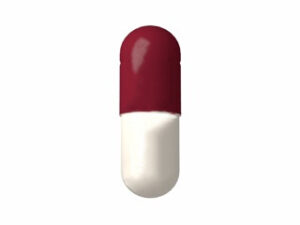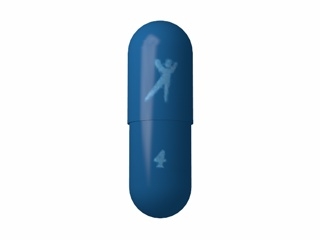


Detrol LA (Tolterodine) – Patient Information (UK)
Detrol LA is a once-daily medicine containing tolterodine, used to treat symptoms of an overactive bladder. This patient-friendly guide explains what Detrol LA does, how it works, how it is taken, key safety information, and what to consider with food, alcohol, and other medicines. It is written for people in the United Kingdom.
Quick overview
| Feature | Details |
|---|---|
| Medicine | Detrol LA (tolterodine) |
| How it works | Antimuscarinic (reduces bladder overactivity) |
| Typical form | Prolonged-release capsule/tablet (once daily) |
| Common uses | Overactive bladder symptoms (urge incontinence, urgency, frequency) |
| Typical timing | Once daily, same time each day; swallow whole |
| Important cautions | Dry mouth, constipation, blurred vision; caution in glaucoma/urinary retention |
Basic product information
Detrol LA contains tolterodine, an antimuscarinic medicine. “LA” stands for long-acting (prolonged-release), meaning the medicine is designed to release tolterodine gradually over the day so it is usually taken once daily.
In the UK, overactive bladder is a common condition that can significantly affect quality of life. Detrol LA helps many people by reducing bladder muscle overactivity that causes sudden urges to urinate and frequent bathroom trips.
What is overactive bladder?
Overactive bladder is typically described by symptoms such as:
- Urgency (a sudden, difficult-to-delay need to pass urine)
- Increased frequency (needing to urinate more often than usual)
- Urge incontinence (leaking urine because of a strong urge)
Some people also experience waking up at night to urinate (nocturia), which may be part of the overall symptom pattern.
Mechanism of action (how Detrol LA works)
Tolterodine works by blocking muscarinic receptors in the bladder. These receptors are part of the body’s signalling system that triggers bladder contractions.
By inhibiting these signals, Detrol LA helps to:
- reduce unwanted bladder contractions
- increase bladder filling capacity
- reduce episodes of urgency and urge incontinence
- reduce how often you need to urinate
The effect is symptom-focused: it does not cure the underlying cause of overactive bladder, but it can make day-to-day symptoms more manageable.
Pharmacokinetics (absorption, distribution, metabolism, elimination)
Pharmacokinetics describes how the body handles the medicine. While individual response varies, the key points for tolterodine in Detrol LA are:
- Absorption: Detrol LA releases tolterodine slowly, supporting a once-daily dosing schedule.
- Distribution: Tolterodine distributes into tissues, including the urinary tract, where it exerts its effect on bladder receptors.
- Metabolism: Tolterodine is primarily metabolised in the liver, largely involving CYP2D6 and CYP3A4 pathways (important when considering interactions with certain medicines).
- Elimination: The metabolites and unchanged drug are eliminated mainly through the body’s normal excretion pathways (kidney and/or bile, depending on the metabolite profile).
- Steady state: Effects typically become clearer after consistent daily use; many people notice improvement within the first days to weeks.
If you have liver impairment or kidney impairment, tolterodine levels may rise. Your clinician may adjust your dose accordingly.
Typical use and when it starts to work
Typical use
Detrol LA is used to treat overactive bladder symptoms in adults, typically when symptoms include one or more of the following:
- Urge incontinence
- Urinary urgency
- Urinary frequency
Timing and expectations
Because Detrol LA is long-acting, it is usually taken once per day. Many people notice some symptom improvement early, but full benefit may take longer as your bladder adjusts.
- Start: improvement may begin within the first week, but this varies.
- Assessment: clinicians often review response after several weeks of consistent use.
- Missed dose: if you miss a dose, take it when you remember on the same day unless it is close to the next dose. Do not take a double dose.
Dosing information (general UK patient guidance)
Dosing should be individualised based on factors such as kidney/liver function and other medicines. The most common adult approach for tolterodine prolonged-release is:
- Adults: commonly 4 mg once daily (prolonged-release formulation).
- Possible dose reduction: depending on tolerability, kidney function, liver function, and interacting medicines, a lower dose may be used (for example, 2 mg once daily in some situations).
Important: Always follow the dosing instructions provided by your healthcare professional and the product label. Do not increase the dose to “catch up” if symptoms persist.
How to take Detrol LA
- Take once daily at roughly the same time each day.
- Swallow whole with water.
- Do not crush or chew the prolonged-release product, as this can affect how it works.
- You can take it with or without food (see food section below for more detail on tolerance).
Food interactions and meal effects
Tolterodine (in the Detrol LA prolonged-release form) is generally considered suitable to take with or without food.
That said, meal timing can affect personal comfort more than the medicine’s overall effectiveness. Some people find that taking it with food helps reduce stomach upset, if it occurs.
- Timing with meals: usually flexible (with or without food).
- Consistency: for easiest routine, choose a time that fits your day and stick to it.
- Hydration: stay adequately hydrated unless you have a condition where fluid intake needs restriction.
Alcohol and medicine interactions
Alcohol does not directly “cancel out” tolterodine, but it can worsen some side effects associated with antimuscarinic medicines, such as:
- dizziness or light-headedness
- blurred vision
- sleepiness or impaired coordination (not everyone experiences this)
If you plan to drink alcohol, consider:
- starting with small amounts to see how you react
- avoiding driving or operating machinery if you feel dizzy or your vision is affected
- not increasing alcohol intake when you are newly starting the medicine or when adjusting dose
Alcohol can also contribute to bladder irritation for some people. If you notice symptoms worsen after drinking, reduce or avoid alcohol and discuss it with a clinician.
Interactions with other medicines (key points)
Tolterodine can interact with other medicines—particularly those that affect muscarinic signalling, liver enzymes, or the bladder.
Medicines that may increase antimuscarinic effects
- other antimuscarinic or “overactive bladder” medicines
- some medicines for motion sickness, Parkinson’s, or certain allergies that have anticholinergic properties
Combining these may increase the risk of side effects such as dry mouth, constipation, and blurred vision.
Medicines that may affect tolterodine metabolism
Because tolterodine is metabolised by liver enzymes, some drugs can raise or lower tolterodine levels.
- CYP2D6 inhibitors (examples include some antidepressants and antipsychotics)
- CYP3A4 inhibitors/inducers (some antifungals, antibiotics, or anti-epileptic medicines)
Medicines that may worsen urinary retention
In some people—particularly those with risk of urinary retention—combining tolterodine with medicines that affect bladder emptying may increase the chance of difficulty passing urine.
For best safety, always tell a pharmacist or prescriber about:
- all medicines you take (including OTC products)
- herbal remedies (e.g., St John’s wort)
- any history of glaucoma, bowel problems, urinary retention, or significant kidney/liver impairment
Indications (what Detrol LA is for)
Detrol LA is indicated for the treatment of overactive bladder symptoms such as:
- Urge incontinence
- Urinary urgency
- Urinary frequency
Safety profile (side effects and who should be cautious)
Like all medicines, Detrol LA can cause side effects. Many are mild and improve as your body adjusts. However, some symptoms may require stopping the medicine and seeking medical advice.
Common side effects
- Dry mouth
- Constipation or harder stools
- Blurred vision
- Reduced sweating (heat intolerance in some people)
- Headache
- Stomach discomfort or nausea (less common)
Less common but important risks
- Difficulty passing urine (urinary retention)
- Worsening glaucoma in susceptible individuals
- Confusion or drowsiness (more likely in older adults or in those sensitive to anticholinergic effects)
- Palpitations or changes in heart rhythm (rare; seek advice if you feel unwell)
When to seek urgent advice
Stop the medicine and seek prompt medical advice if you experience:
- Severe allergic reaction (swelling of face/lips, breathing difficulty)
- Severe constipation with abdominal pain, vomiting, or inability to pass stools/gas
- Complete inability to urinate or severe pain/pressure in the lower abdomen
- Eye pain or sudden vision changes (especially if you have glaucoma)
Who should be extra cautious
Detrol LA may not be suitable for everyone. Tell your clinician/pharmacist if you have any of the following:
- Glaucoma (especially narrow-angle glaucoma)
- Problems passing urine or risk of urinary retention
- Severe constipation, bowel obstruction, or reduced gut movement
- Myasthenia gravis (a muscle weakness condition)
- Severe ulcerative colitis or toxic megacolon (where relevant)
- Kidney or liver impairment (dose may need adjustment)
- Concomitant medicines that can also cause anticholinergic effects
Practical use tips (how to get the best results)
Manage dry mouth
- Keep water close by and take small sips regularly.
- Use sugar-free chewing gum or lozenges.
- Avoid alcohol-based mouthwashes that may worsen dryness.
- Maintain good oral hygiene and dental check-ups.
Reduce constipation risk
- Increase dietary fibre (unless advised otherwise) and drink enough fluids.
- Stay active with regular movement or walking.
- If constipation starts, consider discussing suitable OTC options with a pharmacist early.
- Seek advice promptly if constipation becomes severe.
Bladder and habit strategies
- Consider bladder training (scheduled toileting) if recommended by your clinician.
- Limit “just in case” rushing—gradually extend time between toilet visits as symptoms improve.
- Keep a symptom diary (frequency/urgency/leaks) to track response over time.
Temperature and sweating
- Be mindful in hot weather or during exercise, as reduced sweating can occur.
- Seek shade, rest, and hydrate.
Driving and machinery
- If you experience blurred vision, dizziness, or drowsiness, avoid driving and operating machinery until you feel normal again.
Alternative options for overactive bladder
If Detrol LA is not suitable or does not provide enough symptom relief, there are other evidence-based options. Your clinician may suggest one or a combination depending on your symptoms and health background.
Non-medicine options
- Bladder training and behavioural techniques
- Pelvic floor muscle training (especially for urge incontinence)
- Fluid and caffeine management
Other medicine options
- Other antimuscarinic medicines (different tolerability profiles)
- β3-adrenoceptor agonists (another class of medication for overactive bladder; suitable for some people)
Specialist options
- Botulinum toxin injections into the bladder for selected patients
- Neuromodulation techniques in certain cases
Your best alternative depends on your medical history, kidney/liver function, existing medications, and side effect tolerance.
Market and legal context in the United Kingdom
In the UK, medicines like Detrol LA are regulated by the Medicines and Healthcare products Regulatory Agency (MHRA). Safety information, product labelling, and availability are managed in line with UK medicines regulations.
Overactive bladder management commonly follows UK clinical practice, including assessment of symptoms, exclusion of other causes (such as urinary tract infection), and stepwise approaches using behavioural interventions and medicine when appropriate.
Pharmacies in the UK provide medicines through regulated channels, and patient counselling is part of safe supply—especially for medicines that have anticholinergic effects.
Recent guidance and clinical considerations (UK)
Clinical guidance for overactive bladder has generally emphasised a stepwise approach:
- Start with assessment and behavioural strategies where appropriate.
- Use medicines to reduce urgency/frequency/urge incontinence when symptoms persist or significantly affect quality of life.
- Review response and side effects, and adjust treatment if benefits do not outweigh harms.
- Be more cautious in older adults due to anticholinergic side effects (dry mouth, constipation, cognitive effects in susceptible individuals).
Many clinicians consider individual risk factors—such as constipation history, glaucoma risk, and urinary retention—when choosing between antimuscarinic therapies or other medicine classes.
Delivery and availability (UK online pharmacy)
Detrol LA availability may vary by supplier and stock levels. When ordering online from a UK pharmacy, you can typically expect:
- Processing time: orders are prepared according to local pharmacy schedules.
- Delivery options: standard and sometimes faster delivery depending on provider and postcode.
- Packaging: discreet, secure packaging designed to protect the product.
- Product authenticity: supply from regulated sources to support quality and safety.
Delivery times and cut-off times for dispatch can vary; check the online pharmacy’s delivery information during checkout.
Frequently Asked Questions (FAQ)
1) How long does Detrol LA take to start working?
Many people notice some improvement within the first days to weeks, but full benefit can take longer. A review after several weeks of consistent use is common, especially if symptoms are severe.
2) Should I take Detrol LA every day?
Yes—Detrol LA is intended for ongoing daily symptom control. If you stop suddenly, bladder symptoms may return.
3) Can I stop taking Detrol LA if I feel better?
It’s usually best to discuss stopping with a healthcare professional. If symptoms return, you may need reassessment.
4) What if I miss a dose?
If you miss a dose, take it when you remember unless it is near the time of your next dose. Do not take a double dose to make up for a missed one.
5) Does Detrol LA cause dry mouth?
Dry mouth is one of the most common side effects. Staying hydrated, using sugar-free sweets/gum, and good oral hygiene can help. If dryness is severe, contact a pharmacist or clinician.
6) Can Detrol LA cause constipation?
Yes. Constipation can occur. Aim for fibre-rich foods, adequate fluids, and regular movement. Seek advice promptly if you have no bowel movement for several days or you develop severe abdominal pain.
7) Is it safe to drink alcohol with Detrol LA?
Moderate alcohol may be possible for some people, but alcohol can worsen dizziness, blurred vision, and bladder symptoms. If you feel unwell or your symptoms worsen, reduce or avoid alcohol and seek advice.
8) Can I take Detrol LA with other medicines?
It’s important to check interactions—especially with other antimuscarinic medicines, drugs that affect liver enzymes (CYP pathways), and medicines that can influence urinary retention. Ask a pharmacist if unsure.
9) What should I do if I have trouble urinating?
Difficulty urinating or a sudden inability to pass urine can be serious. Stop and seek prompt medical advice.
10) Are there alternatives if I can’t tolerate Detrol LA?
Yes. Alternatives include different antimuscarinic medicines, β3-adrenoceptor agonists, and non-medicine approaches such as bladder training and pelvic floor exercises. Your clinician can help tailor options to your symptoms and side effect profile.
Summary
Detrol LA (tolterodine) is a once-daily long-acting antimuscarinic medicine used to help control overactive bladder symptoms such as urgency, frequency, and urge incontinence. It works by reducing involuntary bladder contractions. While many people benefit, common side effects include dry mouth and constipation, and less common but important risks include urinary retention and worsening glaucoma in susceptible individuals. Careful attention to dosing, food habits, alcohol, and medication interactions can help you use Detrol LA safely and effectively.