Tenormin (Atenolol) – Patient-Friendly Guide (UK)
This guide explains what Tenormin (atenolol) is, how it works, typical uses, how to take it, and important safety information. It is written for people in the United Kingdom and aims to help you understand your treatment more clearly.
1. Basic product information
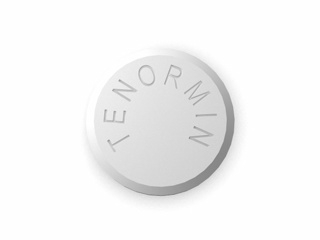
Tenormin contains the active ingredient atenolol, a medicine from the group known as beta-blockers. It can help reduce the workload of the heart and lower certain cardiovascular risks.
| Item | Details |
|---|---|
| Medicine name | Tenormin |
| Active ingredient | Atenolol |
| Medicine type | Beta-blocker (cardioselective: mainly blocks β1 receptors) |
| How it’s taken | Oral tablets (various strengths exist depending on the product) |
| Common benefits | Helps control heart rate and blood pressure; can reduce angina and some heart-related risks |
| Who it may suit | Many adults with hypertension, angina, or certain heart rhythm/heart protection needs (based on clinical assessment) |
Important: Tenormin should be used under appropriate clinical care. If you are unsure whether it is right for you, speak with a healthcare professional.
2. How Tenormin works (mechanism of action)
Atenolol is a beta-1 selective beta-blocker. This means it mainly blocks beta receptors in the heart. By doing so, it can:
- Slow the heart rate (less frequent heart beats)
- Reduce the force of contraction (making the heart work more efficiently)
- Lower blood pressure over time
- Reduce the heart’s oxygen demand, which can help relieve angina
In some conditions, controlling the heart rate and rhythm can improve symptoms and reduce strain on the cardiovascular system.
3. Pharmacokinetics: how the body absorbs and processes it
Pharmacokinetics describes what the body does to a medicine. Key points for atenolol include:
- Absorption: Atenolol is absorbed after tablets are swallowed, though food can affect absorption to some extent.
- Onset: Many people notice effects within hours, but blood pressure and long-term control develop over days to weeks.
- Distribution: It circulates in the bloodstream and reaches the heart and other tissues.
- Metabolism: Atenolol is not extensively metabolised in the liver compared with some other beta-blockers.
- Elimination: It is largely cleared by the kidneys. Dose adjustments may be needed in people with reduced kidney function.
- Duration: Atenolol is often taken once daily, depending on the specific product and your clinical plan.
Because the kidneys play an important role in clearing atenolol, kidney health is a key consideration.
4. Typical uses in the UK
Tenormin is used for several cardiovascular conditions. Typical indications include:
Common indications
- Hypertension (high blood pressure): to help lower blood pressure and reduce cardiovascular risk.
- Angina (chest pain due to reduced blood flow to the heart): to reduce the frequency and severity of attacks.
- Heart rhythm and rate control in selected cases: when a slower heart rate is beneficial.
Your clinician will decide the most appropriate use based on your symptoms, examination, and other medicines you take.
Conditions where beta-blockers may be considered
Depending on your diagnosis and overall health, atenolol may be part of a broader treatment plan that includes lifestyle changes and other medicines. National guidance in the UK emphasises careful patient assessment and choice of therapy tailored to individual risk and tolerability.
5. When to take Tenormin (timing and routine)
Many people take atenolol once daily. However, your dosing schedule may vary based on the condition being treated and your individual plan.
- Choose a consistent time: taking it at roughly the same time each day helps maintain steady effects.
- Consider morning dosing: if it causes dizziness for you, some people prefer evenings—ask your healthcare team if you’re unsure.
- Do not double up: if you miss a dose, follow the advice given with your medicine or by your healthcare team.
If you’re starting Tenormin, it can take time for your body to adjust. During the first days or weeks, some side effects—such as tiredness or a slower heart rate—may be more noticeable.
6. Food interactions: taking it with meals
Atenolol can be taken with or without food for many people. However, food may affect absorption. To make your treatment predictable:
- Be consistent: take it the same way each day (with or without food), unless your healthcare team advises otherwise.
- If it upsets your stomach: taking it with a meal or snack may help.
If you have been advised to take Tenormin in a particular way, follow that instruction.
7. Alcohol and medicine interactions
Alcohol
Alcohol can increase feelings of dizziness or light-headedness, particularly when you first start beta-blockers or when your dose changes. It may also affect blood pressure.
- Start cautiously: if you drink, consider limiting alcohol initially to see how you respond.
- Avoid heavy drinking: this can increase the risk of falls and may worsen side effects.
Other medicines that may interact
Some medicines can affect heart rate, blood pressure, or the way atenolol works. Tell your pharmacist or prescriber about all medicines and supplements you use, including over-the-counter products.
Common interaction themes include:
- Other blood pressure medicines: may further lower blood pressure and increase dizziness in some people.
- Other medicines that slow the heart: combining with certain drugs can cause an excessively slow heart rate.
- Calcium channel blockers (some types): can affect heart rate and conduction when used together (monitoring may be needed).
- Diabetes medicines: beta-blockers can sometimes mask low-blood-sugar warning symptoms (like fast heartbeat).
- Anti-arrhythmics: require careful monitoring due to effects on heart rhythm.
This is not an exhaustive list. If you have questions about a specific medicine, ask a pharmacist.
8. Dosing: what is typical?
Doses vary by indication, age, and kidney function. Strengths and exact schedules depend on the clinical plan and the specific product. Below are general dosing ranges commonly used for atenolol—your prescriber may choose a different dose for your circumstances.
Typical adult dosing (general ranges)
- Hypertension: often started at a low dose and adjusted based on blood pressure response.
- Angina: may be started low and increased if symptoms persist.
- Rate control/other cardiac indications: dosing can differ depending on diagnosis and tolerability.
Kidney function matters: because atenolol is cleared mainly by the kidneys, clinicians may adjust doses in people with reduced kidney function to reduce the risk of side effects.
How to take
- Swallow the tablet with water.
- Take at the same time each day if you are on once-daily dosing.
- If you are prescribed more than one daily dose, separate doses evenly across the day.
Do not stop suddenly
Beta-blockers should generally be not stopped abruptly. Stopping suddenly can lead to a worsening of angina or other cardiovascular problems. If stopping is needed, it should be done gradually under clinical advice.
9. Safety profile: common and important side effects
Most medicines have side effects. Many people experience none or only mild effects, especially after their body adjusts. The list below highlights commonly reported effects and warning signs.
Common side effects
- Tiredness or fatigue
- Dizziness, especially when standing up quickly
- Cold hands and feet
- Reduced exercise tolerance
- Headache
- Sleep disturbance or vivid dreams (occasionally)
Less common but clinically important effects
- Slow heart rate (bradycardia)
- Low blood pressure (hypotension)
- Worsening of heart failure symptoms in susceptible individuals
- Breathing problems: although atenolol is beta-1 selective, some people with asthma or certain lung conditions may be sensitive
Seek urgent help if you experience
- Severe dizziness or fainting
- Chest pain that is new, worsening, or not settling
- Marked shortness of breath or signs of an allergic reaction (e.g., swelling of face/lips, wheezing, rash with breathing difficulty)
- Very slow pulse with weakness or collapse
Who should take extra care?
You may require extra monitoring or caution if you have:
- Asthma or chronic lung disease
- Diabetes (beta-blockers may mask low blood sugar symptoms)
- Heart block or known conduction disorders
- Very low resting heart rate
- Reduced kidney function
10. Practical use tips (how to get the best results)
- Monitor your pulse and symptoms: if you have been advised to, check your heart rate and watch for dizziness or unusual fatigue.
- Keep track of blood pressure: home monitoring can show whether treatment is working—record readings for your clinician.
- Be cautious when getting up: stand slowly to reduce dizziness, especially at the start of treatment or after dose changes.
- Use medication reminders: phone alarms or weekly pill boxes can improve consistency.
- Don’t combine with “cold and flu” products without checking: some decongestants can raise blood pressure or heart rate.
- Keep follow-up appointments: ongoing assessment helps ensure the dose is right for you.
If you feel your symptoms are not controlled, it may be due to dose, timing, other medicines, lifestyle factors, or an unrelated issue. Always consult a healthcare professional before changing the dose.
11. Alternative options to Tenormin
There are different medicines that may be considered for similar conditions. Alternatives depend on your diagnosis, comorbidities, and how you respond to treatment.
Other beta-blockers
- Other beta-blockers may be used depending on whether you need a different beta selectivity, duration of action, or tolerability profile.
Non–beta-blocker options for blood pressure or angina (examples)
- ACE inhibitors or angiotensin receptor blockers (ARBs) for blood pressure (and often heart protection in selected people)
- Calcium channel blockers for hypertension/angina
- Diuretics (often “water tablets”) in some blood pressure plans
- Nitrates for acute relief of angina symptoms in some patients
- Other anti-angina agents where appropriate
Your clinician can recommend an alternative if Tenormin is not suitable due to side effects, interactions, or insufficient symptom control.
12. UK market and legal context (how supply typically works)
In the UK, medicines are regulated by the Medicines and Healthcare products Regulatory Agency (MHRA). The availability of each product depends on its legal classification and the requirements for supply.
For online pharmacies, supply processes are designed to be safe and compliant, including checks for eligibility, appropriate information gathering, and mechanisms to ensure you receive the right medicine and correct instructions.
Because Tenormin contains a prescription-only medicine in many circumstances, online pharmacies generally follow UK rules on patient screening and medicines supply.
If you are concerned about the legal status or eligibility for Tenormin, check the product listing details on the pharmacy website and speak to a pharmacist for clarification.
13. Recent guidance and practical clinical considerations
UK cardiovascular guidance continues to emphasise:
- Individualised treatment: choosing medicines based on patient risk, comorbidities, and tolerability.
- Monitoring: regular review of blood pressure, heart rate, and side effects.
- Medication optimisation: using evidence-based medicines while adjusting for kidney function and other factors.
- Adherence: encouraging consistent dosing and not stopping beta-blockers abruptly.
Beta-blockers remain an important option in many cardiovascular conditions. However, whether atenolol is the best beta-blocker for a person depends on clinical context and the overall treatment plan.
Guidance can evolve. Your pharmacist or clinician can help interpret how current recommendations apply to you.
14. Delivery and availability (UK)
Tenormin is typically available through UK pharmacies, and availability can depend on stock levels and tablet strength. Online pharmacies often provide:
- Clear product strength information so you can order the correct formulation.
- Tracking updates for dispatched orders (where offered).
- Secure packaging to protect tablets and maintain quality.
Delivery times vary by supplier and location in the UK. The most accurate estimate is shown during checkout. If you need your medicine urgently, check estimated delivery options or contact customer support.
Tip: keep a small buffer stock when clinically appropriate to avoid running out, especially if you take a once-daily dose.
15. Frequently asked questions (FAQ)
Is Tenormin the same as atenolol?
Yes. Tenormin is the brand name; atenolol is the active ingredient (generic name).
How long does it take to work?
Some effects, such as lowering heart rate, may be noticed within hours. Blood pressure reduction and longer-term benefits usually build over days to weeks. If you are using it for angina, symptom frequency may improve after stabilising on the dose.
Can I take Tenormin with food?
In most cases, yes. Food may influence absorption, so aim for a consistent routine (with or without food) unless your healthcare professional advises otherwise.
What should I do if I miss a dose?
Follow the advice provided by your pharmacy or healthcare professional. In general, if you realise soon after the missed dose, you may take it, but if it is close to the next scheduled dose, you may be advised to skip the missed one. Do not take extra to “catch up.”
Can I drink alcohol while taking Tenormin?
Alcohol can increase dizziness and may lower blood pressure further. If you drink, keep it moderate and see how you respond, particularly during the first weeks or after a dose change.
Will Tenormin affect my breathing if I have asthma?
Although atenolol is beta-1 selective, some people with asthma or similar conditions can still experience breathing difficulties. If you have asthma, discuss it with a healthcare professional and seek help if you notice wheeze or shortness of breath.
Can Tenormin mask low blood sugar symptoms?
It may. Beta-blockers can blunt some warning signs such as a fast heartbeat. People with diabetes should monitor blood glucose closely and ensure they know the full set of hypo symptoms (not just the heartbeat).
Is it safe to stop Tenormin suddenly?
Generally, no. Stopping beta-blockers abruptly may worsen angina or cause other cardiovascular problems. If stopping is necessary, it should be done gradually under clinical guidance.
What monitoring might be needed?
Depending on your condition, you may be monitored for blood pressure, heart rate, symptoms (such as dizziness), and kidney function. If you have diabetes, additional glucose monitoring may be needed.
What are the main side effects to watch for?
Common side effects include fatigue and dizziness. Seek urgent help if you experience fainting, severe shortness of breath, severe chest pain, or signs of an allergic reaction.
Are there alternatives if I cannot tolerate Tenormin?
Yes. Other beta-blockers or medicines for blood pressure/angina may be considered. The best alternative depends on your diagnosis, other health conditions, and which side effects you experienced.
16. Important safety note
This information is intended to help you understand Tenormin (atenolol). It does not replace advice from a pharmacist or clinician. If you have concerns about side effects, interactions, or whether your medicine is working for you, speak with a healthcare professional.