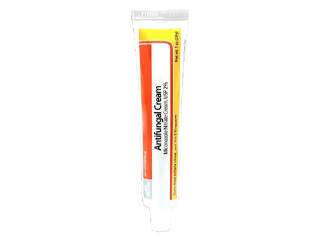
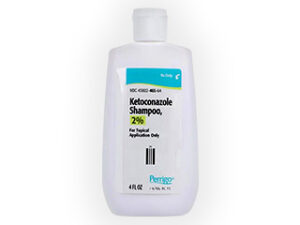
Miconazole
Miconazole is a well-known antifungal medicine used to treat a range of fungal infections of the skin and, in some formulations, the mouth and vagina. It works by stopping fungi from growing and spreading, helping symptoms settle and preventing recurrence.
This page is designed for customers in the United Kingdom and explains what miconazole is, how it works, how to use it, and important safety information. Always read the product leaflet supplied with your specific miconazole medicine, as strengths and application methods can vary between products.
Basic product information
| Category | Details |
|---|---|
| Medicine name | Miconazole |
| Type | Antifungal (imidzole/azole) medicine |
| Common forms (UK) | Cream, spray, powder, oral gel (formulations vary by brand), vaginal cream/suppositories (depending on product) |
| Who it’s for | Adults and children (depending on product and age restrictions in the leaflet) |
| How it’s taken | Usually applied to the affected area; some products used in the mouth or vagina |
| Availability | Many miconazole products are available from pharmacies and some shops, while others may be restricted depending on formulation and strength |
How miconazole works (mechanism of action)
Miconazole is an azole antifungal. It blocks key steps in fungal cell membrane production. More specifically, it inhibits the fungal enzyme lanosterol 14-α-demethylase, leading to reduced production of ergosterol—an essential component of the fungal cell membrane.
Without a properly functioning cell membrane, fungal growth slows and the infection becomes easier for the body to clear. In many skin infections, miconazole helps relieve symptoms such as itch, redness, soreness, and scaling.
Pharmacokinetics (how the body handles miconazole)
Pharmacokinetics can vary depending on the formulation (skin vs oral vs vaginal). In general:
- Skin and topical products: Only small amounts are typically absorbed through the skin. Absorption can be higher if the skin barrier is damaged (e.g., severe inflammation, open skin, widespread rash) or if applied under occlusion (covered areas) according to the product instructions.
- Mouth (oral gel) formulations: Some absorption may occur through the mouth lining. The goal is local action in the mouth.
- Vaginal formulations: Local action is expected; systemic absorption is generally low but depends on dose and individual factors.
For most people using miconazole as directed for local fungal infections, systemic exposure is limited. This is one reason topical azoles are commonly used for skin and mucosal thrush-type infections.
Typical use and timing
Common reasons people use miconazole
- Fungal infections of the skin, such as athlete’s foot (tinea pedis), ringworm (tinea corporis), jock itch (tinea cruris), and fungal infections in skin folds.
- Yeast infections affecting the skin.
- Oral thrush (in appropriate oral gel products).
- Vaginal thrush (with suitable vaginal preparations).
How long until you feel better?
Many people notice symptom improvement within a few days. However, fungal infections often require complete the full course even after symptoms improve, because fungus can remain in the skin.
Timing tips
- Use miconazole at the same time(s) each day to help you remember.
- Prefer applying after bathing when the area is clean and dried thoroughly.
- Wash and dry hands before and after application (unless your product is specifically labelled otherwise).
- Don’t stop early: treat for the full duration on the leaflet or until advised by a pharmacist or clinician.
Indications (what it can be used for)
Indications depend on the exact product. The following are common licensed uses for miconazole antifungal products in the UK:
- Dermatomycoses (tinea) including athlete’s foot, ringworm, and jock itch.
- Cutaneous candidiasis (yeast infections on the skin) including infections in skin folds where appropriate.
- Oral candidiasis (oral thrush) for suitable oral gel products.
- Vulvovaginal candidiasis (vaginal thrush) for suitable vaginal products.
If your symptoms do not improve within the timeframe in the leaflet, or if they worsen, seek advice from a pharmacist or appropriate healthcare professional. Some conditions (for example, eczema, psoriasis, bacterial infections, or sexually transmitted infections) can look similar to fungal disease and may require different treatment.
Dosing: how much and how often
Dosing depends on the product strength and site of infection. Always follow the instructions on your specific package and leaflet. The guidance below is a general overview for common topical schedules.
Skin cream / spray / powder (general approach)
- Apply a thin layer to the affected area and a small margin around it (often about the edge of visible redness and up to a couple of centimetres beyond).
- Frequency varies by product (commonly once or twice daily).
- Continue treatment for the full recommended period (often 2–4 weeks for skin infections, but check your leaflet).
Oral gel for thrush (oral candidiasis)
- Usually applied several times daily at specific intervals.
- Best results often come from applying after meals and avoiding eating or drinking for a short time afterward, depending on leaflet guidance.
Vaginal/vulval application for thrush
- Typically used over several days, often with an applicator or prefilled products.
- Follow instructions carefully for hygiene and insertion technique.
If you are unsure which dosing schedule applies to your product, a pharmacist can help confirm the right instructions for the exact brand and formulation you have.
Food interactions
Food interactions are generally not a concern for topical skin miconazole because absorption is low and the medicine is applied locally.
However, oral miconazole products (oral gel) may indirectly be affected by food and drink habits:
- After applying oral gel, follow the leaflet advice about waiting before eating/drinking. This helps the medicine stay in contact with the affected mouth lining.
- If you wear dentures, dentures may need cleaning and appropriate soaking/cleaning routines as advised for oral thrush.
For vaginal products, food interactions are not typically relevant, as use is local.
Alcohol interactions
With most topical or locally acting miconazole formulations, alcohol is not expected to cause direct interactions. Still, consider the context:
- Oral thrush may be affected by smoking and alcohol, which can irritate the mouth and may affect oral hygiene and recovery. Drinking alcohol while you have mouth symptoms may make discomfort worse.
- If you are using an oral miconazole formulation and are taking other medicines, check for interactions (see below).
When in doubt, consult your pharmacist, especially if you have liver disease, drink heavily, or take other medicines that may interact with azoles.
Medicine interactions
Miconazole can interact with certain medicines, primarily through effects on drug metabolism and liver enzyme pathways. The risk is typically higher with systemic (tablets) miconazole, but interactions can still be relevant depending on formulation and absorption.
Important: Tell your pharmacist about all medicines you use, including prescription medicines, over-the-counter products, and herbal remedies.
Notable interaction considerations
- Warfarin and other vitamin K antagonists: Azoles can increase warfarin effect, leading to bleeding risk. Seek advice before using miconazole if you are on warfarin.
- Some anticoagulants and antiplatelet medicines: Interaction risk varies; always check with a pharmacist.
- Certain statins and immunosuppressants: Some may be affected by azole metabolism. Advice is recommended if you take long-term medicines with known interaction potential.
- Oral antidiabetics: Rarely, azole interactions may affect blood glucose control indirectly depending on the specific product and patient.
Practical approach
- Read the leaflet section on “Interactions”.
- If you are unsure, ask a pharmacist and mention your current medicines.
- Do not start or stop medicines based solely on antifungal use.
Safety profile: who should be cautious
Miconazole is generally well tolerated when used as directed. Common side effects are usually local and mild.
Possible side effects
- Skin irritation such as redness, burning, itching, or dryness at the application site.
- Local rash or contact irritation.
- Allergic reactions are uncommon but can occur.
Seek urgent medical advice if
- You develop signs of a serious allergic reaction (e.g., swelling of face/lips, difficulty breathing, widespread hives).
- There is severe pain, rapid worsening, or blistering/ulceration.
Who should get advice before use
- Children: Use only the appropriate age-suitable product and follow leaflet directions closely.
- Pregnancy and breastfeeding: Many topical azoles are commonly used, but individual circumstances matter. Check the leaflet and talk to a pharmacist if you’re unsure.
- People with liver disease or those taking multiple medicines with interaction potential.
- Diabetes or poor circulation: Foot infections can become complicated; get advice early.
Practical use tips (to get the best results)
Antifungal medicines work best when combined with good hygiene and environmental care.
Before you apply
- Wash the affected area with mild soap and water (if recommended for your product) and pat dry well.
- Gently remove loose or softened skin if appropriate (avoid aggressive scraping).
- Clean towels and wash hands after application.
While using
- Use the medicine for the full course stated in the leaflet.
- Avoid tight, sweaty clothing where possible (particularly for jock itch).
- Keep the area dry. Fungi thrive in warm, moist conditions.
- If treating athlete’s foot, consider changing socks daily (or more often if sweaty).
After treatment
- Wash bedding/clothes/towels used on the affected area, especially if they’re likely to be contaminated.
- If symptoms return quickly, it may indicate incomplete treatment, reinfection, or an alternative diagnosis.
Can you share towels or clothing?
To reduce reinfection, avoid sharing towels, socks, underwear, and footwear. Launder them after use according to care labels.
Alternative options
If miconazole is not suitable, not available, or not effective, there are other antifungal medicines commonly used in the UK.
Common alternatives (topical)
- Clotrimazole (azole antifungal)
- Terbinafine (often used for athlete’s foot and other tinea infections; schedules can differ)
- Fluconazole (some situations use oral therapy, typically under clinician advice depending on indication)
- Nystatin (for candidiasis in certain products, particularly oral thrush in some settings)
The best alternative depends on the infection site, severity, and the product that is available without restriction. A pharmacist can help you choose between options and ensure you’re treating the right condition.
Market and legal context in the UK
In the UK, antifungal products are sold as pharmacy medicine (P), general sale list (GSL), or under other supply arrangements depending on formulation and strength. Many miconazole creams and related topical products are commonly available through UK pharmacies.
Regulatory and quality standards are overseen by the UK medicines framework. Products sold through reputable online pharmacies should include:
- Clear labelling and a leaflet describing uses, dose, and safety information
- Batch/expiry details (where applicable)
- Appropriate storage instructions
- Compliance with UK consumer and medicines regulations for supply
Recent note: Guidance for fungal infections often emphasises correct diagnosis, appropriate duration of therapy, and lifestyle measures to reduce recurrence (e.g., keeping the area dry, maintaining hygiene, and not stopping treatment early). For recurrent or severe symptoms, UK healthcare advice increasingly encourages timely pharmacist or clinician review.
Recent guidance and when to seek help
While local guidance can vary, common UK principles for antifungal treatment include:
- Confirm it looks like fungus: If you are not sure the infection is fungal, seek advice—conditions such as eczema, bacterial infections, insect bites, or dermatitis may mimic fungal rashes.
- Use the full course: Incomplete treatment is a common reason for recurrence.
- Check response: If symptoms do not improve after the recommended period (often within 1–2 weeks for some skin problems), seek advice.
- Consider underlying factors: Diabetes, immune suppression, tight footwear/clothing, and repeated moisture can contribute.
Contact a pharmacist or clinician urgently if you have fever, rapidly spreading redness, severe pain, pus, or if the infection is near the eye. For mouth thrush in infants or if symptoms persist, get advice promptly.
Delivery and availability (UK)
Many miconazole products are commonly stocked by UK pharmacies and online retailers. Availability can vary by form and strength—for example:
- Skin creams/sprays are often widely available.
- Oral gel and vaginal formulations may be subject to different supply categories and availability.
Typical delivery information for online pharmacy orders:
- Dispatch times: Orders are usually dispatched within 1–2 working days (may vary by retailer and stock).
- Delivery methods: Standard and express options may be available.
- Packaging: Medicines are typically packed to protect the product and comply with delivery requirements.
- Storage: Check the label for storage temperature and keep away from children.
If you need a specific miconazole brand or formulation, it’s best to select from the available options on the product listing and review the label for your intended use site (skin, mouth, or vagina).
FAQ
1) Is miconazole safe for everyone?
Most people tolerate miconazole well when used as directed. However, you should check the leaflet for warnings relevant to your age group, pregnancy/breastfeeding status, and any medical conditions. If you take medicines such as warfarin or have complex medical needs, speak to a pharmacist before use.
2) How quickly will I see results?
Symptom improvement often occurs within a few days, but the fungal organism may take longer to clear. It’s important to continue for the full recommended course even if you feel better.
3) Can I use miconazole on broken or weeping skin?
Use caution. Damaged skin may absorb more medicine and may be more irritated. Follow the product leaflet instructions. If the skin is severely broken, painful, or oozing, seek advice because the cause may not be fungal.
4) What should I do if there’s no improvement?
If symptoms are not improving within the timeframe listed in the leaflet, or they worsen, stop relying on self-treatment and seek pharmacist or clinical advice. A wrong diagnosis or resistance/incomplete treatment may be the issue.
5) Can miconazole be used with moisturiser?
Generally, apply miconazole to the affected area first and allow it to absorb before applying other products. Avoid mixing treatments together unless the leaflet advises it. Keep the area dry, particularly for foot and skin fold infections.
6) Can I get infected again after treatment?
Yes, reinfection is possible—especially in moist environments (feet, groin folds) or through shared towels and footwear. Good hygiene, dry skin, and completing the full course help reduce recurrence.
7) Does miconazole work against all types of fungal infections?
Miconazole is effective for many common dermatophyte (ringworm/athlete’s foot) and yeast-related infections, but not every rash is fungal. Correct diagnosis is key. If the condition is unusual, recurrent, or severe, seek advice.
8) Are there alcohol restrictions with miconazole?
For most topical miconazole uses, alcohol restrictions are not typically required. For mouth preparations, avoiding alcohol can reduce irritation. If you are taking other interacting medicines, confirm details with your pharmacist.
9) Where should I apply it for athlete’s foot?
Apply to the affected areas on the feet and between toes as directed by your specific product, and treat a small margin around visible redness. Ensure feet are thoroughly dried and change socks regularly.
10) When should children or babies be treated?
Use only products labelled for the child’s age. Some formulations have age restrictions. If an infant has suspected thrush or a baby has a persistent rash, it’s best to get advice promptly.
Summary
Miconazole is an antifungal medicine used to treat common fungal infections of the skin and, depending on the product, the mouth or vagina. It works by disrupting fungal cell membrane production, helping symptoms such as itching and redness improve while the infection clears. With correct application, adherence to the full course, and good hygiene practices, miconazole can be an effective option for many people across the UK.
Always follow the leaflet instructions for your specific miconazole product and ask a pharmacist if you have questions about suitability, interactions, or whether your symptoms match a fungal infection.